
The New Academic Year at Cornell University: A Hub of Innovation and Interdisciplinary Collaboration
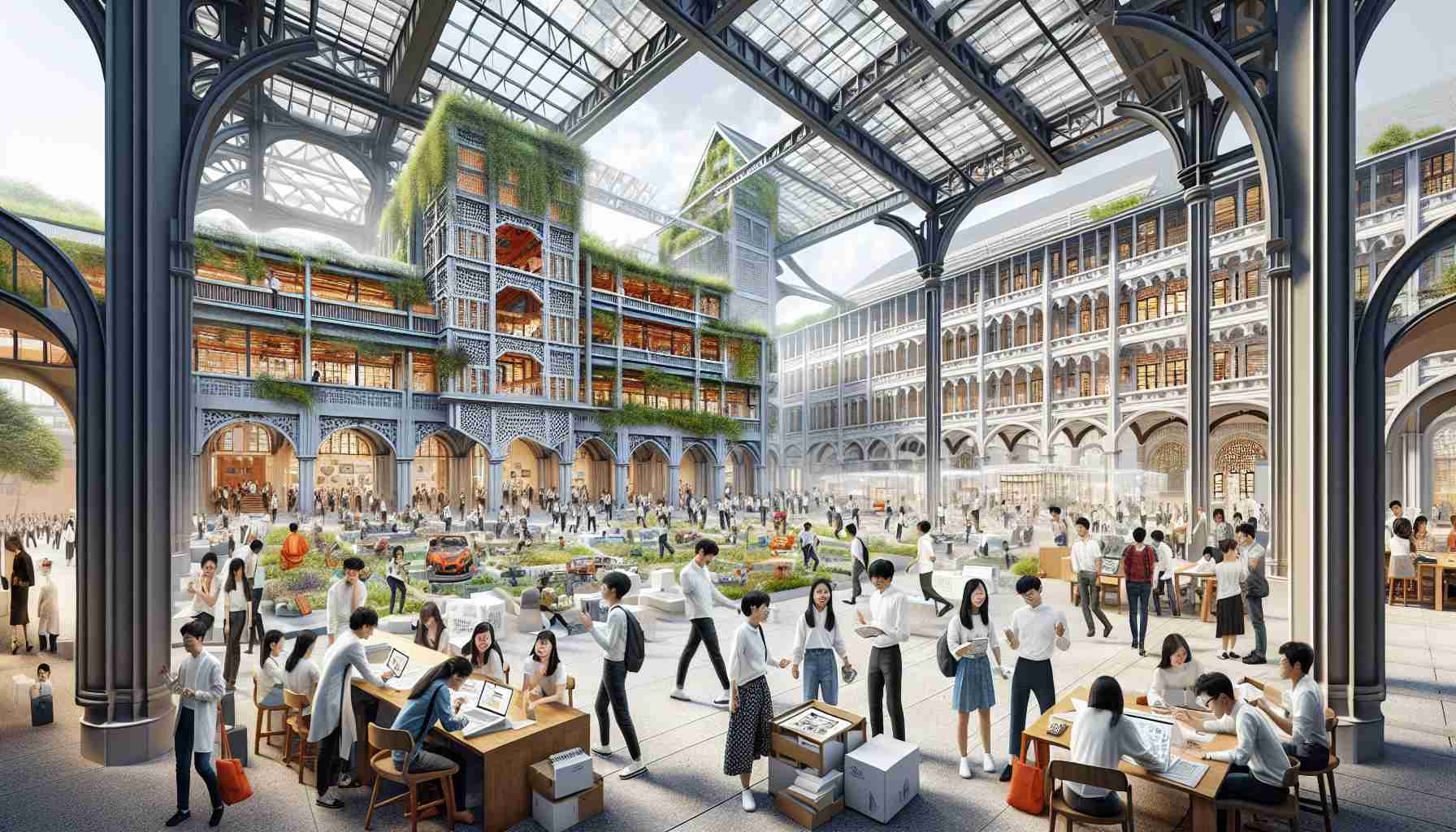
As the fall semester of 2024 commences at Cornell University’s College of Architecture, Art, and Planning (AAP), students and faculty are set to return to their campuses in Ithaca, New York City, and Rome. This new academic year promises a wealth of opportunities for exploration, discussion, and the celebration of innovative solutions and new knowledge. The AAP is not just a place of learning; it is a vibrant community where diverse perspectives converge to tackle pressing issues and challenges in the fields of architecture, art, and planning.
One of the most exciting developments this semester is the launch of the inaugural Master of Science in Design Technology program. This two-year program, a collaborative effort between AAP and Cornell Tech, emphasizes research and project-based learning. It aims to foster interdisciplinary research that ignites innovative ideas at the intersection of science, technology, and design. This initiative reflects a broader trend in higher education, where interdisciplinary studies are increasingly recognized as vital for driving innovation in design technology programs.
The Impact of Interdisciplinary Studies on Innovation in Design Technology Programs
The significance of interdisciplinary studies cannot be overstated, particularly in the context of design technology. As the world becomes more complex, the challenges faced by designers, engineers, and architects require a multifaceted approach. The Master of Science in Design Technology program at Cornell University exemplifies this trend, as it encourages students to engage with various disciplines to develop holistic solutions.
For instance, the Sam Fox School of Design & Visual Arts at Washington University in St. Louis has announced a new Master of Design program focusing on human-computer interaction and emerging technologies, set to launch in the fall of 2025. Led by Associate Professor Jonathan Hanahan, this program aims to cultivate collaboration among designers, engineers, humanists, and scientists to create socially innovative digital products. Hanahan emphasizes the importance of considering the social impact of design, particularly in the context of rapid advancements in artificial intelligence.
The core philosophy of the MDes program is to prioritize social impact, highlighting that design is not merely about delivering products quickly but also about understanding broader societal consequences. This approach aligns with the goals of the Master of Science in Design Technology at Cornell, where students are encouraged to think critically about the implications of their work.
Moreover, the MDes program includes a diverse faculty and aims to establish new professorships focused on technology, particularly the role of artificial intelligence in design evolution. This commitment to interdisciplinary collaboration is essential for preparing students to address complex societal issues through innovative design solutions.
The Role of Funding in Advancing Architectural Research and Community Projects
Funding plays a crucial role in advancing architectural research and community projects, as evidenced by recent initiatives at various institutions. For example, the University of Southern California (2024 USNews Ranking: 28) ’s School of Architecture received a $600,000 grant from the Mellon Foundation for its “Humanities in Place” initiative. This multi-year funding will support several public projects related to the architectural archives of Paul Revere Williams, including exhibitions, research fellowships, and community events.
Similarly, the Circular Construction Lab at Cornell University, under the guidance of Assistant Professor Felix Heisel, secured a $2.5 million grant from the U.S. Environmental Protection Agency (EPA). This funding aims to develop a process that combines environmental product declarations with material passports to support the widespread adoption of material reuse practices in the architecture, engineering, and construction industries. Such funding not only facilitates research but also empowers institutions to engage with communities and address pressing environmental challenges.
The importance of funding is further illustrated by the recent announcement from the University of Manitoba, which awarded several projects through its Teaching and Learning Scholarship support fund. These projects aim to enhance student learning and teaching methodologies, demonstrating how financial support can drive educational innovation and improve academic outcomes.
The Significance of Urban Reform Initiatives in African Cities and Their Global Implications
Urban reform initiatives, particularly in African cities, hold significant implications for global urban development. The Cornell Mui Ho Center for Cities is poised to submit a comprehensive proposal to the MacArthur Foundation for a $100 million project aimed at reforming African cities to make housing and infrastructure accessible to all. This initiative, in collaboration with the University of Manchester’s African Cities Research Consortium and international slum dwellers’ organizations, underscores the importance of addressing urban challenges on a global scale.
Recent research published in the Humanities and Social Sciences Communications journal highlights the impact of land reform projects in Harare, Zimbabwe, on urban land markets. The study reveals that the Fast Track Land Reform Program, implemented in 2000, has led to significant distortions in urban planning processes and exacerbated inequalities in land markets. Such findings emphasize the need for inclusive and sustainable urban development strategies that consider the complexities of land ownership and access.
The implications of urban reform extend beyond local contexts, as they contribute to global discussions on sustainable development and social equity. By addressing the challenges faced by urban populations in Africa, initiatives like those proposed by the Cornell Mui Ho Center can serve as models for other regions grappling with similar issues.
The Importance of Sustainable Practices in Architecture and Construction Industries
Sustainability has become a central theme in architecture and construction, driven by increasing regulatory demands and societal expectations. A recent report by Ernst & Young (EY) highlights how the engineering and construction industries are being reshaped by the need for decarbonization and environmentally friendly practices. Companies are now required to disclose greenhouse gas emissions and climate-related risks, prompting a shift towards sustainable building practices.
The report identifies key trends, including the rise of circular construction, which aims to minimize raw material usage and promote the reuse and recycling of components. This approach aligns with the goals of the Circular Construction Lab at Cornell University, where research is focused on developing processes that facilitate material reuse in the construction industry.
Furthermore, the report emphasizes the importance of using renewable and recyclable materials to reduce the carbon footprint of buildings. As extreme weather events become more frequent, the need for climate-resilient construction practices is paramount. Architectural education, particularly at institutions like Cornell University, plays a vital role in preparing future professionals to embrace sustainable practices and contribute to a more resilient built environment.
The Influence of Historical Architecture Renovations on Contemporary Educational Environments
The renovation of historical architecture can significantly impact contemporary educational environments, fostering a sense of identity and continuity while providing modern amenities. At Cornell University, the ongoing renovation of the historic Sibley Dome is a testament to the institution’s commitment to preserving its architectural heritage while enhancing the learning experience for students and faculty.
The Sibley Dome renovation is not just about restoring a physical space; it represents a broader trend in educational institutions to integrate historical architecture with modern pedagogical practices. By creating environments that honor the past while accommodating contemporary needs, universities can inspire creativity and innovation among students.
This approach is echoed in recent architectural projects across Europe, such as the 3Land project in Huningue, France, which aims to create a cross-border community by integrating modern design with historical context. The project emphasizes the importance of enhancing the quality of life for residents while respecting the architectural heritage of the region.
Conclusion
As Cornell University’s College of Architecture, Art, and Planning embarks on a new academic year, it stands at the forefront of innovation and interdisciplinary collaboration. The launch of the Master of Science in Design Technology program, coupled with significant funding for research and community projects, underscores the institution’s commitment to addressing contemporary challenges in architecture and urban planning.
The importance of interdisciplinary studies, sustainable practices, and urban reform initiatives cannot be overstated, as they collectively contribute to a more equitable and resilient future. By fostering an environment that encourages exploration and collaboration, Cornell University is not only shaping the next generation of architects and planners but also making meaningful contributions to global discussions on sustainability and social justice.
In summary, the new semester at Cornell University is a celebration of innovation, collaboration, and a commitment to addressing the pressing challenges of our time. As students and faculty return to their campuses, they carry with them the promise of new ideas and solutions that will shape the future of architecture, art, and planning. The journey ahead is one of exploration, creativity, and a shared vision for a better world.
News References:
- Highlights of the Fall 2024 Semester at Cornell AAP
- The Next Generation of Design
- Scholarship of Teaching and Learning Support Fund Recipients Announced
- Implications of Peri-Urban Land Reform Programs on Urban Land Markets
- How Sustainability Reshapes Engineering and Construction
- Cross-border Urban Development in Huningue