
Introduction to Cornell’s New Ph.D. Program in Robotics
On November 12, 2024, Cornell University (2025 USNews Ranking: 11) made a significant stride in the field of robotics by announcing the launch of its new Ph.D. program, set to begin in the fall of 2025. This program is not only a response to the burgeoning interest in robotics but also reflects the interdisciplinary nature of the field, which is increasingly recognized as essential for tackling complex technological challenges. The program is designed to accommodate a diverse range of academic backgrounds, allowing students from various disciplines to contribute to and benefit from the evolving landscape of robotics education.
At the heart of this new Ph.D. program is the acknowledgment that robotics is inherently interdisciplinary, cutting across traditional academic boundaries. As Hadas Kress-Gazit, the program’s director, pointed out, robotics does not fit neatly into any single discipline. Instead, it draws from mechanical engineering, aerospace engineering, electrical and computer engineering, computer science, and even social sciences. This broad spectrum of academic backgrounds is crucial, as the challenges faced in robotics require insights and expertise from multiple fields. For instance, while engineers focus on the mechanics and control of robotic systems, social scientists can provide valuable perspectives on the ethical and societal implications of robotic technologies.
The significance of robotics in today’s technological landscape cannot be overstated. As industries increasingly adopt automation and robotics to enhance productivity and efficiency, the demand for skilled professionals in this field is surging. According to a report from the International Federation of Robotics, the global stock of industrial robots has seen exponential growth, with numbers jumping from 1 million in 2011 to 3.5 million in 2021. This trend is expected to continue, creating numerous career opportunities for graduates of robotics programs. The emphasis on interdisciplinary education at Cornell aligns with this demand, as it prepares students to navigate the complexities of a field that is rapidly evolving due to advancements in artificial intelligence, machine learning, and data analytics.
Moreover, the program’s structure allows students to select from four main fields of study, ensuring that they can tailor their education to their interests and career goals. This flexibility is particularly important in a field where technology is advancing at a breakneck pace. Students will also be required to complete a minor in their chosen field and an additional minor of their preference, further enriching their educational experience and fostering a well-rounded understanding of the multifaceted nature of robotics.
As Cornell embarks on this new educational venture, it is essential to recognize the broader implications of robotics education. The establishment of the Ph.D. program comes in the wake of significant investment in robotics research at the university, which has included the introduction of an undergraduate minor in robotics in 2018. This progression reflects not only the university’s commitment to advancing robotics education but also the growing recognition of the field’s potential to drive innovation across various sectors, from healthcare to manufacturing.
In summary, Cornell University’s new Ph.D. program in robotics represents a pivotal development in the realm of interdisciplinary education. By accommodating a diverse range of academic backgrounds and emphasizing the collaborative nature of robotics, the program aims to cultivate the next generation of leaders equipped to address the complex challenges of this dynamic field. As the demand for robotics professionals continues to rise, the significance of such interdisciplinary approaches in education becomes increasingly clear, positioning graduates to thrive in a rapidly changing technological landscape.
Interdisciplinary Approaches in Robotics Education
The interdisciplinary approach in robotics education is gaining traction across universities, and Cornell’s newly launched Ph.D. program exemplifies this trend. By accommodating students from various academic backgrounds—ranging from engineering to social sciences—Cornell recognizes that the challenges of robotics cannot be addressed through a single lens. This perspective aligns with the broader educational shift toward integrating diverse fields to foster innovation and problem-solving capabilities essential for the future of robotics.
At Cornell, the program allows students to specialize in one of four primary fields: mechanical engineering, aerospace engineering, electrical and computer engineering, and computer science, while also mandating minors in their chosen areas. This structure not only broadens the educational scope but also encourages collaboration among students from different disciplines. The interdisciplinary framework is particularly vital in robotics, where technological advancements intersect with ethical, social, and environmental considerations. For instance, while engineers may focus on the technical aspects of robotic systems, social scientists can offer insights into the societal implications of these technologies, ensuring that the development of robotics aligns with human values and needs.
Comparatively, the University of Texas at Austin (UT Austin) has declared 2024 as the Year of AI, emphasizing its commitment to interdisciplinary approaches in artificial intelligence and robotics education. This initiative showcases the university’s efforts to prepare students for the evolving landscape of AI, which increasingly influences various sectors, including healthcare, climate change, and ethical technology. UT Austin’s robust AI programs, recognized nationally, highlight the importance of collaboration across disciplines to tackle complex global challenges. By fostering partnerships between engineering, healthcare, and environmental studies, UT Austin is preparing its students to become well-rounded professionals capable of addressing multifaceted problems.
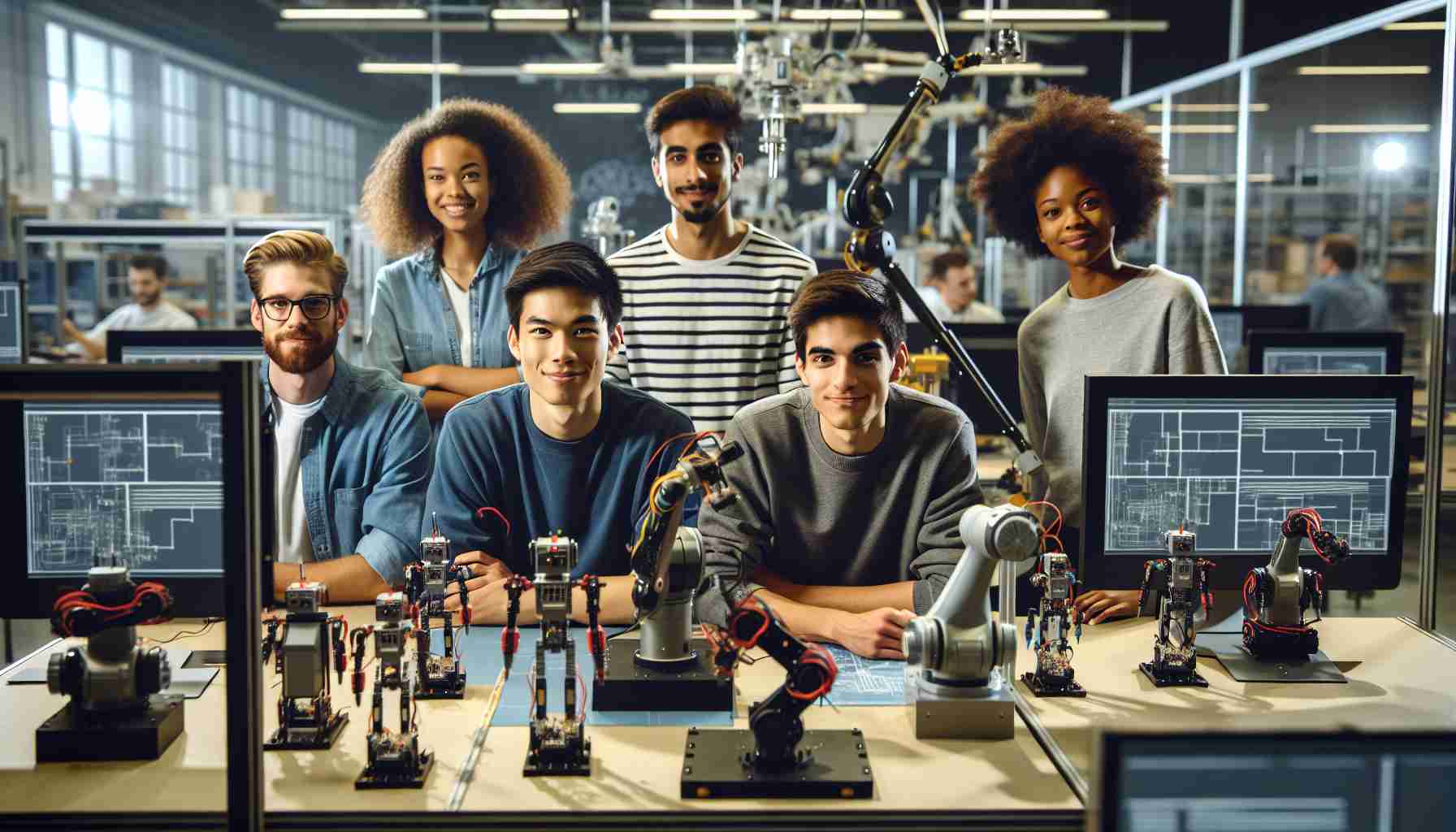
Similarly, Jackson College is developing an interdisciplinary manufacturing program that integrates robotics and automation technologies. Funded by a National Science Foundation grant, this initiative aims to enhance the skilled workforce in Michigan by merging fabrication technology with automation. The program’s focus on emerging technologies, such as Autonomous Mobile Robots and collaborative welding robots, exemplifies how educational institutions are adapting to the needs of the modern manufacturing landscape. By engaging underserved populations and promoting equitable opportunities, Jackson College underscores the societal responsibility of educational institutions to prepare a diverse workforce for the future.
However, while the benefits of interdisciplinary education in robotics are evident, challenges remain. One significant hurdle is the need for effective collaboration between departments, which can be hampered by institutional silos and differing academic cultures. Overcoming these barriers requires a concerted effort from universities to foster an environment of cooperation and communication among various disciplines. Additionally, there is a pressing need for curricula that not only cover technical skills but also address ethical considerations, ensuring that future robotics professionals are equipped to navigate the complexities of their field responsibly.
Moreover, interdisciplinary approaches in robotics education present opportunities for innovation. By combining insights from different fields, students can develop novel solutions to pressing challenges, such as improving human-robot interaction, enhancing the safety of robotic systems, and addressing ethical dilemmas in automation. As robotics technology continues to evolve, the integration of diverse perspectives will be crucial in shaping the future of the industry.
In conclusion, Cornell University’s interdisciplinary Ph.D. program in robotics reflects a growing recognition of the need for collaboration across various academic fields. By comparing its initiatives with those of UT Austin and Jackson College, it becomes clear that educational institutions are increasingly embracing interdisciplinary approaches to prepare students for the complexities of modern robotics. While challenges exist, the potential for innovation and the ability to address multifaceted problems make this approach not only beneficial but essential for the future of robotics education and the industry as a whole. As these programs evolve, they will undoubtedly play a pivotal role in shaping the next generation of robotics professionals capable of leading advancements in technology and society.
Career Opportunities and Industry Demand in Robotics
The field of robotics is witnessing an unprecedented surge in career opportunities, a trend driven by rapid technological advancements and an increasing demand for automation across various industries. As organizations strive to enhance efficiency, reduce costs, and improve productivity, the need for skilled professionals in robotics and automation has never been more critical. According to the International Federation of Robotics, the global stock of industrial robots has escalated dramatically, from 1 million in 2011 to 3.5 million in 2021. This exponential growth not only highlights the importance of robotics in modern manufacturing but also signals a robust job market for graduates entering this field.
Job projections for robotics professionals are promising, with the U.S. Bureau of Labor Statistics estimating a growth rate of 9% from 2020 to 2030, significantly outpacing the average for all occupations. This growth is reflective of the expanding applications of robotics across various sectors, including manufacturing, healthcare, logistics, and even agriculture. As companies increasingly adopt automation technologies to address labor shortages, improve safety, and enhance operational efficiency, the demand for robotics engineers, technicians, and specialists is set to rise. For instance, the average salary for robotics engineers in the U.S. hovers around $100,000, while technicians can expect to earn approximately $70,000, illustrating the lucrative nature of careers in this field.
The evolving roles of robotics professionals are diverse and multifaceted. In manufacturing, for example, the integration of robots into production lines has transformed traditional job roles. While robots take over repetitive and hazardous tasks, human workers are transitioning into roles that require higher-level skills such as programming, system optimization, and maintenance of robotic systems. This shift not only enhances productivity but also creates exciting career paths for individuals equipped with the necessary technical and analytical skills. As highlighted by Anthony Moschella from Vecna Robotics, the collaboration between humans and robots is essential for optimizing manufacturing processes, emphasizing the need for human intelligence to complement automation investments.
The impact of robotics extends into sectors such as healthcare, where the demand for robotic-assisted surgeries and rehabilitation technologies is on the rise. As the healthcare industry continues to embrace automation, professionals trained in robotics will play pivotal roles in designing, programming, and maintaining robotic systems that support surgical procedures and patient care. For instance, advancements in robotic systems for dental implant surgeries are revolutionizing the precision and efficiency of these procedures, underscoring the necessity for skilled individuals who can navigate both the technical and clinical aspects of robotic applications.
Moreover, the integration of artificial intelligence (AI) into robotics is further reshaping career opportunities. As robots become more intelligent and capable of performing complex tasks, there is a growing need for professionals who can develop and implement AI algorithms that enhance robotic functionalities. This trend is particularly evident in sectors such as logistics, where autonomous robots are increasingly deployed for inventory management and order fulfillment. The synergy between robotics and AI not only creates new job opportunities but also necessitates a workforce that is well-versed in both fields.
However, the rise of robotics and automation also brings challenges to the workforce dynamics. While automation can lead to job displacement in certain sectors, it simultaneously generates new roles that require advanced skills. The World Economic Forum’s “Future of Jobs Report 2023” indicates that many workers will require retraining to adapt to the changing job landscape, particularly in areas such as analytical thinking and technology-related skills. This highlights the importance of educational institutions, including those offering robotics programs, in preparing students for the evolving demands of the job market.
To address these challenges, universities are increasingly focusing on interdisciplinary approaches in robotics education, as seen in programs like Cornell’s new Ph.D. in robotics. By equipping students with a diverse skill set that encompasses engineering, computer science, and social sciences, these programs aim to prepare graduates for the complexities of a workforce that is rapidly evolving due to automation. Additionally, initiatives like Jackson College’s NSF-funded manufacturing program emphasize the integration of robotics and automation technologies, ensuring that students are well-prepared for the demands of the modern workforce.
In summary, the career opportunities in robotics and automation are expanding rapidly, driven by technological advancements and industry demand. As the roles of robotics professionals evolve across various sectors, educational institutions play a crucial role in preparing the next generation of workers with the skills necessary to thrive in this dynamic landscape. The integration of robotics into diverse industries not only enhances productivity but also reshapes workforce dynamics, creating new career paths and opportunities for graduates of robotics programs. As automation continues to advance, the future of work in robotics promises to be both exciting and transformative, underscoring the importance of ongoing education and skill development in this burgeoning field.
Ethical and Social Implications of Robotics
The integration of robotics into various sectors presents a complex tapestry of ethical and social implications, particularly when considering vulnerable populations such as older adults. As robotics technology becomes increasingly prevalent in care settings, it is crucial to examine the ethical dilemmas that arise, especially concerning informed consent, emotional attachment, and the potential for dehumanization.
Recent studies have highlighted the ethical concerns surrounding the deployment of robots in caregiving roles. For instance, the article titled “Ethical Implications in Using Robots Among Older Adults Living with Dementia” emphasizes the dual nature of robotics in care: while robots can alleviate feelings of loneliness and provide assistance, they also raise questions about consent and dependency. Older adults, particularly those with cognitive impairments like dementia, may not fully understand the role of robots in their care. This lack of comprehension can lead to ethical dilemmas regarding informed consent, as it is imperative that individuals are aware of how these technologies function and their implications for personal autonomy.
Moreover, the potential for emotional attachment to robots adds another layer of complexity. A study published in Frontiers in Robotics and AI explored how older adults interact with social robots and found that while emotional deception—where users may believe a robot experiences emotions—can occur, the actual emotional attachment formed is often limited. This raises concerns about the risk of emotional dependency on robots, which could lead to distress if the robot is removed or malfunctions. The emotional dynamics between older adults and robots must be carefully considered in the design and implementation of robotic technologies to ensure that they enhance human interaction rather than replace it.
Informed consent is particularly critical in the context of caregiving robots. The aging population often faces cognitive decline, making it essential to involve caregivers and family members in discussions about the use of robotic technologies. There is a growing call for participatory approaches in the design and deployment of these systems, ensuring that they meet the actual needs and preferences of older adults. By engaging users and their families in the process, developers can avoid ageist practices that overlook individual preferences and cultural backgrounds, ultimately fostering a sense of agency among older adults.
The ethical implications extend beyond individual interactions to the broader societal impact of robotics in caregiving. The potential for robots to replace human caregivers raises concerns about the dehumanization of care, where the emotional and relational aspects of caregiving may be compromised. As robots take on more responsibilities, it is vital to ensure that the human touch remains integral to care practices. This necessitates the establishment of ethical frameworks that prioritize human dignity and social interaction, ensuring that robotic technologies serve to complement rather than substitute human care.
Regulatory frameworks are also essential in guiding the ethical deployment of robotics in healthcare settings. The European Union’s proactive stance on ethical legislation surrounding artificial intelligence serves as a model for protecting the rights of vulnerable populations, including older adults with dementia. By implementing guidelines that require transparency, accountability, and respect for user autonomy, policymakers can help mitigate the risks associated with the use of robotics in care.
In conclusion, the ethical and social implications of robotics, particularly in relation to vulnerable populations like older adults, demand careful consideration. As the field of robotics continues to evolve, it is imperative to develop ethical frameworks that prioritize informed consent, emotional well-being, and the preservation of human dignity. By addressing these concerns, we can harness the potential of robotics to enhance care practices while ensuring that the needs and rights of older adults are respected and upheld. The integration of robotics into caregiving should aim to enrich human experiences and foster meaningful connections, ultimately contributing to a more compassionate and supportive society.
Future Trends in Robotics Research and Development
The future of robotics research and development is set to be profoundly influenced by advancements in artificial intelligence (AI), machine learning, and computer vision. As these technologies continue to evolve, they will reshape not only the capabilities of robots but also the educational landscape and industry practices related to robotics. The integration of AI into robotics is particularly significant, as it enhances robots’ autonomy and decision-making abilities, enabling them to perform complex tasks that were previously unimaginable.
One of the most exciting trends in robotics is the growing sophistication of machine learning algorithms. These algorithms allow robots to learn from experience, adapt to new situations, and improve their performance over time. For instance, in manufacturing, robots equipped with machine learning can optimize their operations by analyzing data from their environments, leading to increased efficiency and reduced downtime. This ability to learn and adapt is essential as industries face rapidly changing demands and the need for greater flexibility in production processes.
Moreover, advancements in computer vision are revolutionizing the way robots perceive and interact with their surroundings. By enabling robots to interpret visual data, computer vision allows for improved navigation, object recognition, and manipulation capabilities. This technology is particularly crucial for applications in sectors such as healthcare, where robots can assist in surgeries or provide support in rehabilitation by accurately identifying and responding to patient needs. The integration of computer vision with AI further enhances these capabilities, allowing robots to make real-time decisions based on visual inputs, thereby increasing their effectiveness and safety in various environments.
The implications of these technologies extend beyond technical advancements; they will significantly influence the future of robotics education. As the demand for skilled professionals in robotics grows, educational institutions will need to adapt their curricula to include a strong emphasis on AI, machine learning, and computer vision. Programs like Cornell University’s new Ph.D. in robotics are already reflecting this trend by offering interdisciplinary courses that combine engineering, computer science, and social sciences. This holistic approach prepares students to tackle the multifaceted challenges posed by modern robotics, ensuring they are equipped with the skills necessary to innovate and lead in this rapidly evolving field.
Furthermore, the convergence of AI and robotics is expected to create new career opportunities across various industries. As robots become more capable and intelligent, the workforce will need individuals who can design, program, and maintain these advanced systems. The demand for expertise in AI and machine learning will be particularly pronounced, as organizations seek professionals who can leverage these technologies to enhance robotic functionalities. This shift underscores the importance of ongoing education and training in robotics, ensuring that the workforce is prepared for the challenges and opportunities presented by automation.
However, as robotics technology continues to advance, it is imperative to address the ethical considerations that accompany these developments. The use of AI in robotics raises questions about accountability, transparency, and the potential for bias in decision-making processes. Ensuring that robotic systems operate ethically and responsibly will require ongoing research into the implications of these technologies on society. Educational programs must not only focus on technical skills but also incorporate discussions about the ethical dimensions of robotics, preparing students to navigate the complex landscape of automation responsibly.
In conclusion, the future of robotics research and development is poised for transformative changes driven by advancements in AI, machine learning, and computer vision. These technologies will enhance the capabilities of robots, redefine educational practices, and create new career opportunities in various sectors. As the field evolves, it is essential to prioritize ongoing research and ethical considerations, ensuring that the integration of robotics into society enhances human experiences and fosters responsible innovation. The path forward will require collaboration between academia, industry, and policymakers to harness the full potential of robotics while safeguarding the values and rights of individuals in an increasingly automated world.
Reference:
- Cornell University Launches New Interdisciplinary Ph.D. Program in Robotics
- University of Texas at Austin Declares 2024 as the Year of AI
- Jackson College Receives NSF Grant for Advanced Manufacturing Program
- Robotics Transforming Manufacturing Careers for the Next Generation
- Ethical Implications of Using Robots for Older Adults with Dementia
- The Impact of Artificial Intelligence on Higher Education: Ethical, Social, and Educational Dynamics
- Designing Ethical Social Robots: A Longitudinal Study with Older Adults