
The Role of Michigan State University Library in Reducing Educational Costs
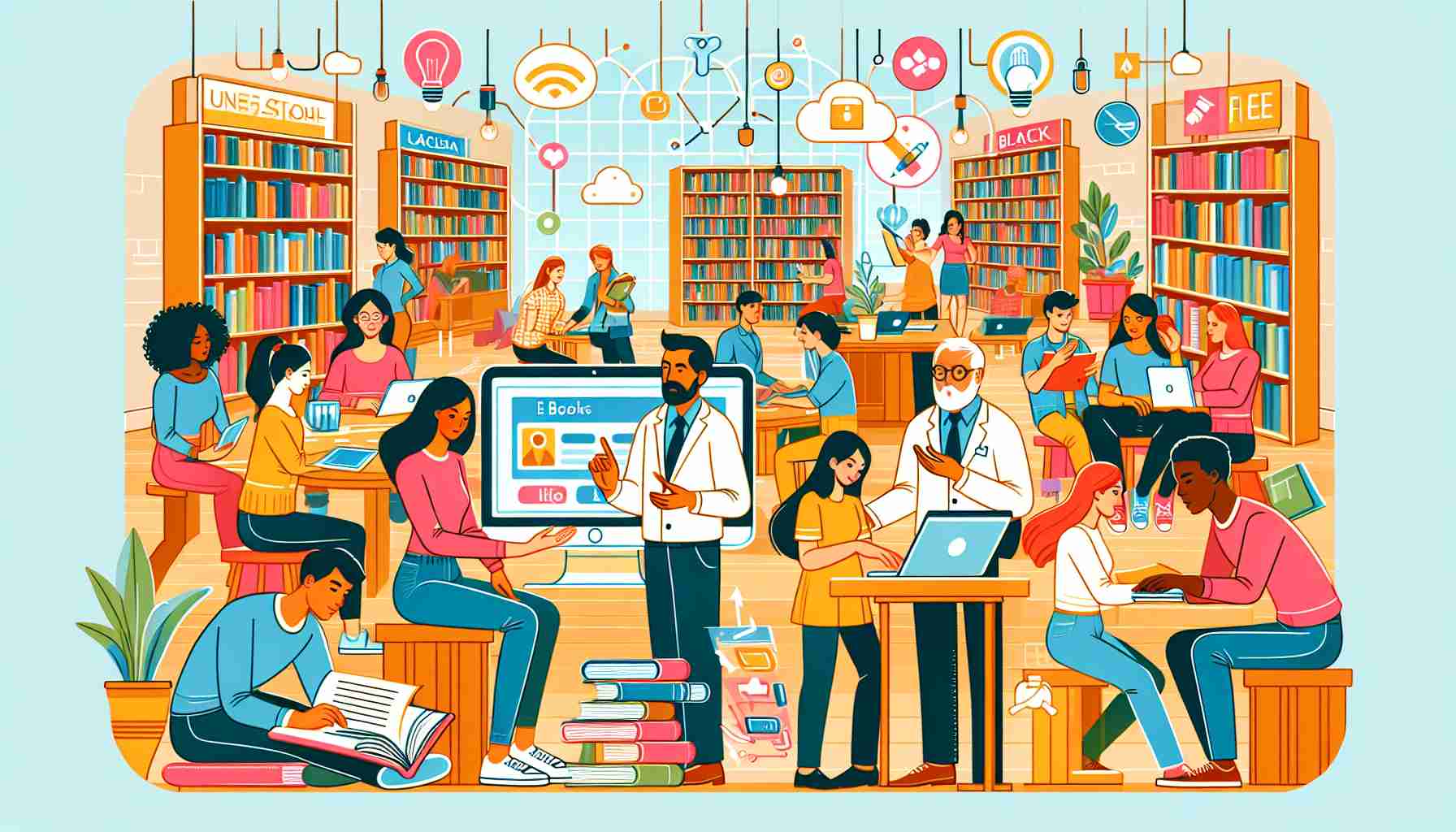
On August 26, 2024, Michigan State University (2024 USNews Ranking: 60) (MSU) Library launched a series of low-cost and no-cost course materials initiatives aimed at alleviating the financial burden of high textbook costs that students and faculty face at the beginning of each semester. This initiative is part of a broader trend in higher education, where institutions are increasingly recognizing the need to make education more affordable and accessible. The MSU Library has been proactive in expanding the resources available to students, allowing them to borrow textbooks through a course reserve program without the need to purchase them. This program enables professors to place required materials in the library, facilitating shared access among students.
The library has also been actively identifying and purchasing textbooks required for MSU courses. A significant recent acquisition is a subscription to an electronic textbook package from Cambridge University Press, which provides access to over 1,000 Cambridge textbooks. Last year, the library supported over 1,015 courses by providing more than 2,600 books through the course reserve program, with more than half of these being available in electronic format. Taylor Epp, the director of the Veterinary Care Program, noted that these low-cost options have a profound impact on students in the veterinary medicine program, helping them obtain necessary learning materials without the financial strain of purchasing textbooks.
In addition to the course reserve program, the MSU Library’s Open Education Resources (OER) initiative offers a variety of affordable course materials for students and faculty. OER includes teaching, learning, and research materials that are either in the public domain or released under an open license, allowing users to reuse, modify, and redistribute them. Since its implementation in 2019, the OER initiative has aimed to reduce educational costs by providing free or low-cost learning materials and supporting faculty in adopting, adapting, and creating OER and other low-cost materials. During the 2022-23 academic year, the OER initiative saved approximately $1,507,600 for 15,076 students enrolled in OER courses, with 126 participating faculty members. The library also offers an OER grant program for faculty interested in adopting, adapting, or creating OER, providing financial, technical, and other project support, with applications for the 2024-25 academic year opening from September 3 to October 11, 2024.
Furthermore, the MSU Library’s course materials project provides students with another low-cost alternative to traditional course packs, with all materials sold at cost in a non-profit manner. Course packs are available in print and electronic formats through a cooperative bookstore and MSU’s D2L platform. This project also offers faculty support in researching, recommending, and creating course packs. Kathy Forrest, a senior lecturer in the College of Nursing, highlighted the importance of the support provided by library liaisons like Jessica Sender, the health sciences librarian. Forrest noted that she has collaborated with Sender since 2016, who has provided timely resource updates and literature search strategies, assisting faculty in developing new courses or making significant course revisions.
In summary, the MSU Library is committed to providing affordable course materials through various initiatives and resources, alleviating educational costs, and promoting sustainable learning and teaching practices. This commitment is particularly relevant in the context of rising educational expenses across the United States, where the financial burden of textbooks and course materials can significantly impact student success and retention rates.
The Impact of Low-Cost and No-Cost Course Materials on Student Success and Retention Rates in Higher Education
The financial strain of high course material costs is a pressing issue in higher education, as highlighted by the 2023 National Course Materials Survey conducted by Bay View Analytics. The survey revealed that over half of students reported that the cost of course materials led them to reduce the number of courses they enrolled in or to forgo specific courses altogether. This finding underscores the critical need for initiatives like those at MSU Library, which aim to mitigate these financial barriers.
The survey indicated that 70% of respondents expressed concern about meeting the costs of course materials, with 9% reporting extreme concern and 21% moderate concern. In the spring 2023 semester, 52% of students spent over $200 on course materials, while 31% spent more than $300. Although some national surveys suggest a decline in annual spending on course materials, it remains unclear whether this is due to lower prices for digital materials or students adopting cost-saving strategies.
To cope with the high costs, students have employed various methods, including purchasing used books (66%), seeking free online versions (48%), buying books from sources outside campus bookstores (37%), purchasing digital versions (35%), or sharing materials with classmates (30%). Most students reported using two to three strategies to reduce their expenses. The survey also found that community college students were more concerned about material costs than those at four-year institutions, with many community college students choosing schools based on material prices.
The high cost of course materials not only affects students’ financial situations but also their academic lives. The survey revealed that 57% of students reduced their course load due to material prices, 53% did not register for specific courses, and 41% received failing grades as a result. Furthermore, 35% of students dropped courses, 34% withdrew from school, and 31% failed to pass courses due to the financial burden of materials.
As a response to these challenges, more administrators and faculty members are focusing on the price of materials. Many institutions have implemented bundled pricing strategies to ensure that all students can access the necessary course materials. However, this approach may also limit students’ choices. Researchers are calling for schools to consider not only the costs of textbooks but also the expenses associated with all course materials. Overall, the high cost of course materials has become a significant factor influencing students’ academic choices and success.
The Role of Open Education Resources (OER) in Transforming Traditional Educational Practices
The rise of Open Education Resources (OER) represents a transformative shift in educational practices, particularly in the context of rising costs and the need for accessible learning materials. OER encompasses a wide range of teaching, learning, and research materials that are freely available for use, modification, and redistribution. This initiative aligns with the goals of institutions like MSU, which are committed to reducing educational costs and enhancing student access to quality resources.
Since its inception, the OER movement has gained traction among educators and institutions, with many faculty members recognizing the potential of OER to enhance their teaching practices. A survey conducted by Forbes Advisors in October 2023 revealed that over half of educators believe that artificial intelligence (AI) positively impacts teaching and learning processes. This sentiment reflects a broader trend in which educators are increasingly open to adopting innovative tools and resources, including OER, to improve educational outcomes.
The integration of OER into the curriculum allows faculty to customize learning materials to better meet the needs of their students. By utilizing OER, educators can create more engaging and relevant course content, fostering a more interactive learning environment. Additionally, OER can help bridge the gap for students who may struggle to afford traditional textbooks, ensuring that all learners have access to the materials they need to succeed.
Despite the benefits of OER, challenges remain in its widespread adoption. Some faculty members may be hesitant to transition from traditional materials to OER due to concerns about quality, lack of awareness, or insufficient institutional support. To address these challenges, institutions must provide resources and training to help faculty navigate the OER landscape and understand how to effectively integrate these materials into their courses.
The collaboration between university libraries and publishers is also crucial in promoting OER and ensuring that educators have access to high-quality resources. By partnering with publishers, libraries can facilitate the acquisition of OER materials and provide faculty with the necessary support to adopt and adapt these resources. This collaboration not only enhances the availability of OER but also reinforces the importance of academic freedom, allowing educators to choose materials that best align with their teaching philosophies and the needs of their students.
The Collaboration Between University Libraries and Publishers
The partnership between university libraries and publishers plays a vital role in providing access to educational materials, particularly in the context of rising costs and the need for affordable resources. Libraries serve as essential hubs for knowledge and learning, and their collaboration with publishers can enhance the availability of high-quality materials for students and faculty.
For instance, the Falvey Memorial Library at Villanova University has taken significant steps to support the university’s research goals and meet the evolving needs of students and faculty. Under the leadership of Millicent Gaskell, the library has transformed its services to provide data-driven support for academic activities. The library’s commitment to creating dynamic research opportunities is evident in its extensive collection of 1.68 million books and its focus on modernizing access to resources.
The library’s digital initiatives, such as the VuFind search engine, have made it easier for users to discover and access library resources. This technological advancement reflects a broader trend in which libraries are leveraging digital tools to enhance user experience and facilitate access to educational materials. The collaboration between libraries and publishers is essential in ensuring that students and faculty have access to the latest research and educational resources, ultimately supporting academic success.
Moreover, the COVID-19 pandemic highlighted the importance of library services in maintaining access to educational materials. Libraries quickly adapted their services to ensure that students could continue to access resources and support during the pandemic. This adaptability underscores the critical role that libraries play in the academic ecosystem, particularly in times of crisis.
As universities continue to explore innovative ways to provide access to educational materials, the collaboration between libraries and publishers will remain a key factor in promoting academic freedom and ensuring that students have the resources they need to succeed. By working together, libraries and publishers can create a more equitable and accessible educational landscape, ultimately benefiting students and faculty alike.
The Future of Educational Resource Accessibility in Higher Education
Looking ahead, the future of educational resource accessibility in higher education is poised for significant transformation. The rapid advancement of technology, particularly artificial intelligence (AI), is reshaping traditional educational practices and creating new opportunities for delivering course materials. As institutions like MSU continue to innovate in this space, the potential for further advancements in course material delivery is immense.
AI is already being utilized in various educational contexts, from personalized learning experiences to automated administrative tasks. According to a survey conducted by Forbes Advisors, over half of educators believe that AI positively impacts teaching and learning processes. This sentiment reflects a growing recognition of the potential for AI to enhance educational outcomes and improve student engagement.
As AI technologies continue to evolve, they will likely play an increasingly central role in the delivery of educational resources. For example, AI-driven platforms can provide personalized learning experiences tailored to individual student needs, helping to ensure that all learners receive the support they require. Additionally, AI can streamline administrative processes, allowing educators to focus more on teaching and less on paperwork.
However, the integration of AI in education also raises important questions about data privacy, equity, and the potential for algorithmic bias. As institutions explore the use of AI tools, it is essential to prioritize ethical considerations and ensure that all students have equitable access to technology and resources. By addressing these challenges, educational institutions can harness the power of AI to create a more inclusive and effective learning environment.
In conclusion, the initiatives undertaken by Michigan State University Library to provide low-cost and no-cost course materials are a vital step toward addressing the financial challenges faced by students in higher education. The impact of high course material costs on student success and retention rates cannot be overstated, and the library’s efforts to expand access to affordable resources are commendable. Furthermore, the role of Open Education Resources in transforming traditional educational practices and the collaboration between university libraries and publishers are crucial in promoting academic freedom and ensuring that students have access to high-quality materials.
As we look to the future, the potential for further innovations in educational resource accessibility is promising. The integration of AI and other technologies will continue to reshape the landscape of higher education, providing new opportunities for delivering course materials and enhancing the learning experience. By prioritizing affordability, accessibility, and innovation, institutions can create a more equitable educational environment that supports the success of all students.
In summary, the commitment of institutions like Michigan State University to reducing educational costs through various initiatives is a critical component of fostering student success and promoting sustainable learning practices. The collaboration between libraries, publishers, and educators will play a pivotal role in shaping the future of educational resource accessibility, ultimately benefiting students and faculty alike.
News References:
- MSU Libraries Provide Affordable Course Materials
- College Students Avoid Courses with High Textbook Costs
- Artificial Intelligence In Education: Teachers’ Opinions On AI In The Classroom
- Falvey Library: A Hub for Research and Scholarship at Villanova University
- AI in Education: Transforming Learning Experiences