
Addressing the Veterinary Shortage: A Comprehensive Look at North Carolina State University’s New Veterinary Class
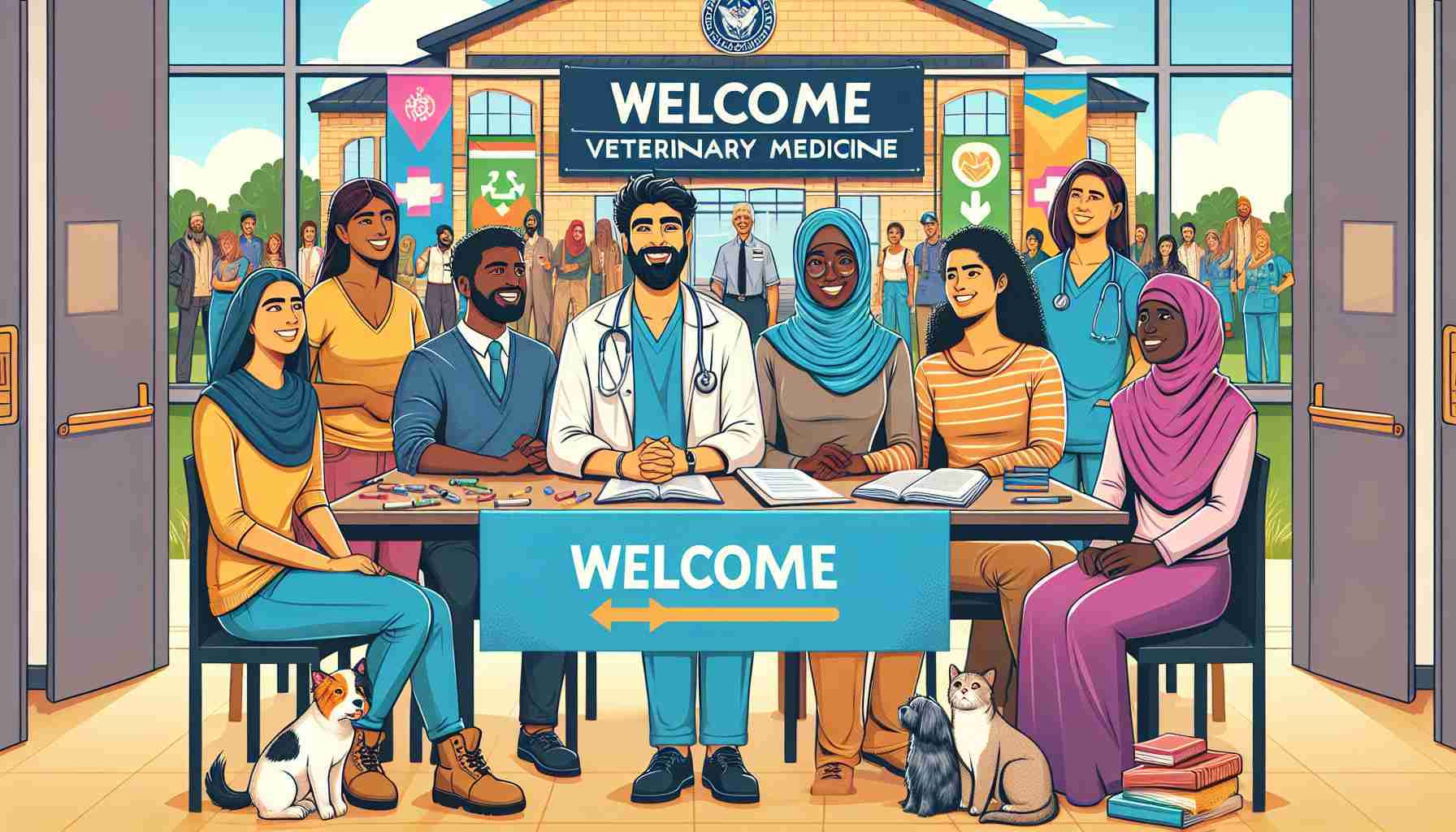
On August 15, 2024, North Carolina State University (NC State) welcomed its largest incoming class of veterinary students in history, expanding from the previous cohort of 100 to 125 students. This increase is a direct response to the growing veterinary shortage that has been affecting communities across the United States. The three-day orientation program not only allowed the new students to share their backgrounds and interests but also included critical lectures on mental health and the values of the veterinary profession. The age range of the incoming class is notably diverse, with the oldest student being 37 years old and the youngest just 19, resulting in an average age of 23. Approximately 80% of the students hail from North Carolina, representing nearly 40 counties within the state.
The orientation activities provided a platform for students to showcase their unique personalities and experiences, many of whom come with rich backgrounds and aspirations in the veterinary field. For instance, Jaimie Rosa from Fayetteville realized her dream of becoming a veterinarian after years of family commitments, while Natalie Watts discovered her passion for veterinary work during her service in the Air National Guard. The new students also engaged in various team-building activities designed to alleviate the stress of starting a new academic journey. The Dean of the College of Veterinary Medicine, Kate Meurs, along with other faculty members, offered support and guidance, emphasizing the students’ achievements and future potential. This orientation was not just the beginning of their academic careers; it was also a pivotal moment for building friendships and fostering a sense of community.
The Impact of Veterinary Shortage on Education and Workforce
The veterinary shortage is a pressing issue that has far-reaching implications for education and the workforce. As highlighted by recent legislative efforts in Colorado, the shortage of veterinarians is particularly acute in rural and underserved communities. On August 2, 2024, two laws proposed by Karen McCormick took effect, aimed at improving access to veterinary care. These laws are designed to ensure that pets and livestock receive optimal care, which is crucial for public health. By allowing for telemedicine practices and expanding the scope of practice for registered veterinary technicians and veterinary technologists, these laws represent a significant step toward addressing the shortage.
The first law, HB24-1047, allows veterinarians to delegate certain tasks to veterinary technicians and technologists, thereby enhancing the role of these professionals as mid-level providers. This is essential in maximizing the educational background, skills, and expertise of veterinary technicians, which is a key strategy in mitigating the veterinary shortage. The second law, HB24-1048, focuses on increasing telemedicine services, ensuring that rural residents can access quality veterinary care in a timely manner. The implications of these legislative changes are profound, as they not only aim to improve animal health but also support the livelihoods of communities that depend on veterinary services.
In the context of NC State, the increase in the veterinary class size is a proactive measure to combat this shortage. By training more veterinarians, the university is contributing to a larger workforce that can address the needs of both urban and rural populations. The commitment to expanding the veterinary program reflects a broader recognition of the critical role that veterinarians play in public health, animal welfare, and community well-being.
The Importance of Mental Health in Veterinary Education
As the veterinary profession grapples with a shortage of practitioners, the mental health of those entering the field is becoming increasingly important. The pressures of veterinary education and practice can lead to significant mental health challenges, including burnout and emotional distress. A study released by Merck Animal Health at the 2024 Veterinary Meeting & Expo in Orlando revealed that while 74% of veterinarians are satisfied with their careers, a notable percentage experience high levels of stress and burnout.
The findings indicate that 61% of veterinarians report feeling fatigued, with younger veterinarians (ages 18 to 34) experiencing severe psychological distress at a rate of 17.3%. This highlights the need for veterinary schools, including NC State, to prioritize mental health resources and support systems for students. The orientation program at NC State included discussions on mental health, emphasizing the importance of creating a supportive environment where students can seek help and share their experiences.
Veterinary schools must implement strategies to foster mental well-being among students. This includes creating a culture of openness regarding mental health, providing access to counseling services, and encouraging peer support networks. The American Veterinary Medical Association (AVMA) has been advocating for initiatives that promote mental health awareness and resources within the veterinary community. By addressing mental health proactively, veterinary programs can help students navigate the challenges of their education and future careers, ultimately leading to a healthier workforce.
Diversity in Veterinary Student Demographics
Diversity within veterinary education is essential for fostering a rich learning environment and preparing students to serve a wide range of communities. NC State’s College of Veterinary Medicine (CVM) is committed to building an inclusive community that supports its academic mission and ensures student success. The college recognizes that a diverse student body brings varied perspectives and experiences, which are crucial for addressing the complex challenges faced in the veterinary field.
CVM has implemented several initiatives to promote inclusivity and cultural awareness. One such initiative is the Project SAFE Ally program, which provides workshops for students, faculty, and staff to better understand and meet the needs of LGBTQ students. Additionally, the Veterinary Students of Color and Ethnic Unity (VOICE) organization aims to enhance cultural competence and diversity within the profession. These efforts are complemented by community outreach programs that engage students in activities that promote cultural awareness and understanding.
The importance of diversity extends beyond the student body; it also encompasses the faculty and staff who play a critical role in shaping the educational experience. By fostering an inclusive environment, veterinary schools can better prepare students to work in diverse communities and address the unique needs of various populations. This commitment to diversity not only enriches the educational experience but also contributes to the future of the veterinary profession, ensuring that it reflects the communities it serves.
The Role of Mentorship in Veterinary Education
Mentorship is a vital component of veterinary education, providing students with guidance, support, and professional development opportunities. The establishment of programs like MentorVet, founded by Dr. Addie Reinhard, underscores the importance of mentorship in addressing the challenges faced by veterinary professionals. Dr. Reinhard’s initiative aims to provide veterinarians with the tools and resources necessary for sustainable career development, particularly in light of the high rates of burnout reported in the profession.
The MentorVet program offers professional skills training, online learning, and peer support meetings, helping veterinarians navigate the complexities of their careers. Since its inception, nearly 1,000 participants have completed the flagship program, reporting significant improvements in their mental health and reductions in feelings of burnout. These success stories highlight the transformative power of mentorship in fostering resilience and satisfaction within the veterinary profession.
As NC State’s veterinary program continues to grow, the integration of mentorship opportunities will be crucial for supporting students as they transition into their professional lives. By connecting students with experienced veterinarians, the program can help cultivate a culture of support and collaboration, ultimately enhancing the overall educational experience.
Conclusion
The recent orientation at North Carolina State University marks a significant milestone in addressing the veterinary shortage in the United States. By welcoming its largest incoming class of veterinary students, NC State is taking proactive steps to ensure that the future of veterinary medicine is bright and capable of meeting the needs of diverse communities. The discussions surrounding mental health, diversity, and mentorship are integral to creating a supportive and inclusive environment for students.
As the veterinary profession faces challenges related to workforce shortages and mental health, it is essential for educational institutions to prioritize these issues. By fostering a culture of support, inclusivity, and mentorship, veterinary programs can prepare students to thrive in their careers and contribute positively to the communities they serve. The commitment of NC State to expand its veterinary program and address these critical issues sets a precedent for other institutions and highlights the importance of collaboration in shaping the future of veterinary medicine.
In summary, the orientation at NC State is not just an introduction to academic life; it is a celebration of diversity, a commitment to mental health, and a recognition of the vital role that mentorship plays in shaping the next generation of veterinarians. As the veterinary field continues to evolve, the efforts made by institutions like NC State will be crucial in ensuring that the profession remains resilient, compassionate, and capable of meeting the challenges ahead.
News References:
- NC State Welcomes Largest Veterinary Class
- McCormick’s Laws to Increase Access to Veterinary Care Go Into Effect
- Veterinary Profession Heading in Right Direction with Mental Health
- Community and Culture at NC State College of Veterinary Medicine
- Innovator of the Month: Dr. Addie Reinhard and MentorVet