The Impact of International Student Exchange Programs on Academic Collaboration
On July 30, 2024, the Massachusetts Institute of Technology (2024 USNews Ranking: 2) (MIT) launched a student exchange program in collaboration with Imperial College London through the International Science and Technology Initiative (MISTI). This initiative attracted students from diverse backgrounds to experience MIT’s academic environment and the natural beauty of New England. Among the participants were Nathanael Jenkins from the United Kingdom and Timur Uyumaz from Turkey, who spent a year studying and conducting research in the Department of Aeronautics and Astronautics at MIT. Jenkins focused on lightning strike simulations for aircraft safety, while Uyumaz engaged in high-fidelity fluid simulations within the turbulence group. Both students noted that the learning environment at MIT differed significantly from their experiences at Imperial College London, emphasizing practical and active learning without the high-pressure exam culture prevalent in many educational institutions.
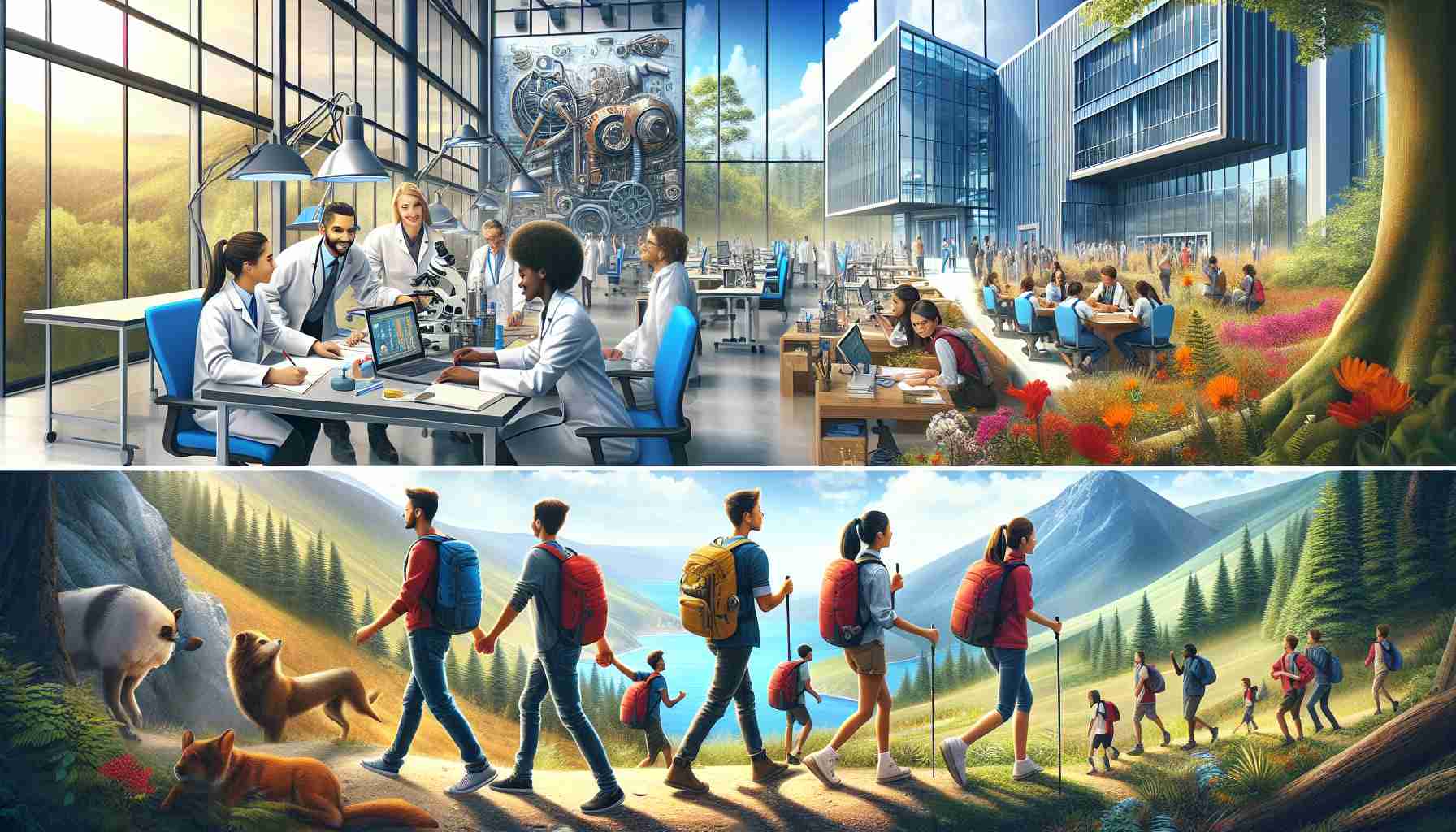
The exchange program not only provided academic opportunities but also encouraged students to engage in outdoor activities, allowing them to explore the natural landscapes of New England, including climbing several peaks such as Mount Washington. Jenkins plans to continue his career in engineering after completing his graduate studies, while Uyumaz aims to strengthen collaborative ties with Imperial College London based on his experiences at MIT. Both students expressed gratitude for the warm reception they received at MIT, viewing the exchange as a valuable opportunity that broadened their horizons.
The Role of Student Exchange Programs in Fostering International Collaboration
The MIT-Imperial College London exchange program is a prime example of how student exchange initiatives can enhance international collaboration in academia. Such programs not only facilitate knowledge transfer but also promote cultural exchange, which is essential in today’s globalized world. The MIT-Mexico Program, established in 2004, serves as another illustration of this impact. Celebrating its 20th anniversary in April 2024, the program has provided nearly 500 students with internship opportunities in Mexico, fostering cross-border research collaboration and cultural exchange.
The success of the MIT-Mexico Program can be attributed to its partnerships with over 200 Mexican organizations across various disciplines, including climate and sustainability, health, and artificial intelligence. Griselda Gómez, the program director, emphasizes that the initiative not only offers internships but also arranges for MIT students to serve as temporary STEM teachers in Mexican high schools, thereby enhancing local students’ interest in science, technology, engineering, and mathematics (STEM). This dual approach of providing hands-on experience while contributing to local education exemplifies the broader benefits of international collaboration.
Moreover, participants in the MIT-Mexico Program have reported significant cultural and academic enrichment. For instance, Favianna Colón Irizarry, a chemistry student, collaborated with local biotechnologists to develop biodegradable coatings to extend the shelf life of local food products. Her experience underscores the importance of cultural competence in international collaborations, as understanding local contexts can lead to more effective and relevant research outcomes.
The program has also facilitated lasting relationships between MIT and Mexican researchers, with many participants maintaining connections long after their internships. This continuity is vital for fostering ongoing collaboration and innovation, which can lead to significant advancements in various fields. As the program enters its third decade, it continues to provide personalized internship opportunities, ensuring that students’ experiences in Mexico are both safe and productive.
Differences in Academic Environments: MIT vs. Imperial College London
The contrasting academic environments at MIT and Imperial College London highlight the diverse educational philosophies that shape students’ experiences. For instance, Josh Lian, a summer graduate student from MIT, joined a research group at Imperial College London as part of the Undergraduate Research Opportunities Program (UROP). His research focused on the electron transfer mechanisms in photosynthetic complexes, a critical area in understanding energy conversion processes.
Lian’s experience illustrates the benefits of international research exposure, as he sought to broaden his scientific perspective through collaboration with researchers at Imperial College. His work, supported by both the MISTI Climate and Sustainability Fund and the UROP program, emphasizes the importance of integrating different academic cultures to enhance research outcomes. The collaborative nature of his research aligns with the broader goals of both institutions to foster innovation and address global challenges.
The differences in academic environments can significantly influence students’ learning experiences. At MIT, the emphasis on practical learning and hands-on projects contrasts with the more traditional lecture-based approach often found at Imperial College London. This distinction can affect students’ engagement and motivation, as practical learning environments tend to encourage active participation and real-world problem-solving.
The Role of Practical Learning in Engineering Education
Practical learning is particularly crucial in engineering education, where theoretical knowledge must be complemented by hands-on experience. The field of mechanical engineering, for example, encompasses a wide range of applications, from robotics to aerospace and automotive engineering. Mechanical engineers are tasked with transforming ideas into reality, solving complex problems that impact modern society’s technology and infrastructure.
According to the U.S. Bureau of Labor Statistics, the average annual salary for mechanical engineers is $105,220, with the top 10% earning nearly $157,470. This financial incentive underscores the importance of preparing students for successful careers in engineering through robust educational programs. Institutions like Michigan Technological University offer accredited mechanical engineering programs that prioritize practical learning opportunities, ensuring that graduates are well-equipped to tackle future challenges.
The integration of practical learning into engineering curricula not only enhances students’ technical skills but also fosters critical thinking and problem-solving abilities. By engaging in real-world projects, students can apply theoretical concepts to tangible challenges, preparing them for the demands of the workforce. This approach aligns with the broader goals of engineering education, which seeks to develop innovative thinkers capable of addressing pressing global issues.
Outdoor Activities and Their Influence on Student Experience at MIT
Beyond academics, outdoor activities play a significant role in shaping the student experience at MIT. The university’s outdoor club offers students opportunities to engage in various outdoor adventures, fostering a sense of community and promoting physical well-being. For Jenkins and Uyumaz, participating in outdoor activities allowed them to explore the natural beauty of New England while building friendships and enhancing their overall experience at MIT.
The importance of outdoor activities in higher education cannot be overstated. Engaging in physical activities can reduce stress, improve mental health, and foster social connections among students. As universities increasingly recognize the value of holistic education, incorporating outdoor experiences into the academic journey can enhance students’ overall well-being and academic performance.
However, the recent legal challenges faced by MIT regarding allegations of anti-Semitism on campus highlight the complexities of student life in contemporary academic environments. In March 2024, two Jewish students filed a federal lawsuit against MIT, claiming that the university tolerated anti-Semitic activities that led to harassment and intimidation. This lawsuit reflects broader concerns about the balance between free speech and the need to create a safe and inclusive campus environment.
MIT’s response to the lawsuit emphasizes its commitment to addressing discrimination and harassment while upholding the principles of free expression. The university has established procedures for handling such issues, but the ongoing challenges underscore the need for institutions to navigate the delicate balance between fostering open dialogue and ensuring the safety and well-being of all students.
Conclusion
The student exchange program between the Massachusetts Institute of Technology and Imperial College London exemplifies the profound impact of international collaboration on academic experiences. By providing students with opportunities to engage in research and cultural exchange, such programs foster a global perspective that is essential in today’s interconnected world. The contrasting academic environments at MIT and Imperial College London highlight the diverse educational philosophies that shape students’ learning experiences, emphasizing the importance of practical learning in engineering education.
Moreover, the role of outdoor activities in enhancing the student experience at MIT underscores the significance of holistic education that prioritizes physical and mental well-being. As universities navigate the complexities of contemporary student life, addressing issues of discrimination and harassment while promoting inclusivity remains a critical challenge.
In summary, the experiences of students like Nathanael Jenkins and Timur Uyumaz illustrate the transformative potential of international exchange programs, practical learning, and outdoor engagement in shaping the future of education. As institutions continue to foster collaboration and innovation, the lessons learned from these experiences will undoubtedly contribute to the ongoing evolution of higher education in the United States and beyond.