
Introduction to UC San Diego’s Data Planet Initiative
The Data Planet Initiative at UC San Diego represents a significant advancement in the realm of data science education and research, marking a pivotal moment in the university’s commitment to fostering innovation. Launched in 2022, this initiative is housed within the Halıcıoğlu Data Science Institute (HDSI) and the School of Computing, Information and Data Sciences (SCIDS). Its primary objective is to enhance the educational experience of Ph.D. students by providing them with hands-on opportunities to engage in data-centric projects, thereby bridging the gap between academic theory and practical application.
Under the leadership of Associate Professor Jingbo Shang, the Data Planet Initiative is poised to expand its fellowship program and introduce new research projects that align closely with industry needs. Shang, who also serves as a faculty member in the Department of Computer Science and Engineering at the Jacobs School of Engineering, envisions Data Planet as a comprehensive platform for datasets, akin to GitHub for code or Google for web pages. This vision underscores the initiative’s potential to connect various research domains and facilitate access to datasets that can inspire innovative research directions.
The significance of data science education in today’s academic landscape cannot be overstated. As industries increasingly rely on data-driven decision-making, the demand for skilled professionals who can analyze and interpret complex datasets continues to grow. The Data Planet Initiative addresses this need by equipping Ph.D. students with the necessary skills and experience to thrive in a competitive job market. By collaborating with faculty and industry partners, students gain invaluable insights into real-world applications of data science, enhancing their employability and readiness to tackle pressing global challenges.
Moreover, the initiative’s partnerships with key organizations, such as the San Diego Supercomputer Center (SDSC), provide essential resources that further enrich the research environment. These collaborations not only enhance the tools available for research but also expand networking opportunities for fellows, contributing to a robust ecosystem for data science at UC San Diego. Rajesh Gupta, Interim Dean of SCIDS and founding director of HDSI, emphasizes the initiative’s role in improving student training and fostering connections with industry partners, ultimately preparing students to address the complex challenges faced by society today.
The importance of hands-on experience in Ph.D. programs, particularly in data-centric projects, is a cornerstone of the Data Planet Initiative. This experiential learning approach allows students to apply theoretical knowledge in practical settings, fostering a deeper understanding of data science methodologies and their applications. Notable fellows from the initiative have already undertaken diverse projects, showcasing the program’s commitment to innovation and real-world impact. For instance, projects focused on enhancing event camera technology and developing multimodal human activity recognition databases exemplify the initiative’s dedication to advancing the field of data science.
As the Data Planet Initiative prepares for a new round of fellowship applications in 2025, its growth reflects UC San Diego’s unwavering commitment to advancing data science education and research. By positioning itself as a central hub for data science resources, the initiative not only enhances the academic experience for students but also plays a crucial role in driving industry innovation. The intersection of academia and industry, facilitated by initiatives like Data Planet, is essential for fostering a culture of collaboration and innovation that addresses the evolving challenges of our data-driven world.
The Role of University-Industry Partnerships in Data Science
University-industry partnerships have emerged as a critical component in advancing data science education and research, particularly in the context of initiatives like UC San Diego’s Data Planet. Recent UIDP conferences, such as those hosted by Penn State and the University of Texas at San Antonio (UTSA), have highlighted the importance of these collaborations in fostering innovation and addressing global challenges. These events serve as platforms for academia and industry to come together, share insights, and develop strategies that align educational outcomes with real-world needs.
At the UIDP conference held at Penn State in September 2024, over 200 participants, including thought leaders and industry experts, engaged in discussions about effective partnership strategies. Penn State President Neeli Bendapudi emphasized the historical impact of university-industry collaborations in accelerating innovation, particularly in rapidly evolving technological fields. The conference featured case studies, including a successful collaboration between Penn State and IBM, showcasing how such partnerships can lead to significant advancements in research and development. This collaboration not only enhances the university’s research capabilities but also provides students with invaluable opportunities to work on projects that have direct implications for industry.
Similarly, the UTSA conference in May 2024 focused on the evolving landscape of research and development, emphasizing the necessity of partnerships among universities, industries, and government agencies. JoAnn Browning, UTSA’s interim vice president for research, noted the increasing interest from federal agencies in projects that foster collaboration across sectors, particularly in use-inspired and translational research. This highlights the growing recognition that addressing complex societal challenges requires a concerted effort from multiple stakeholders, including educational institutions.
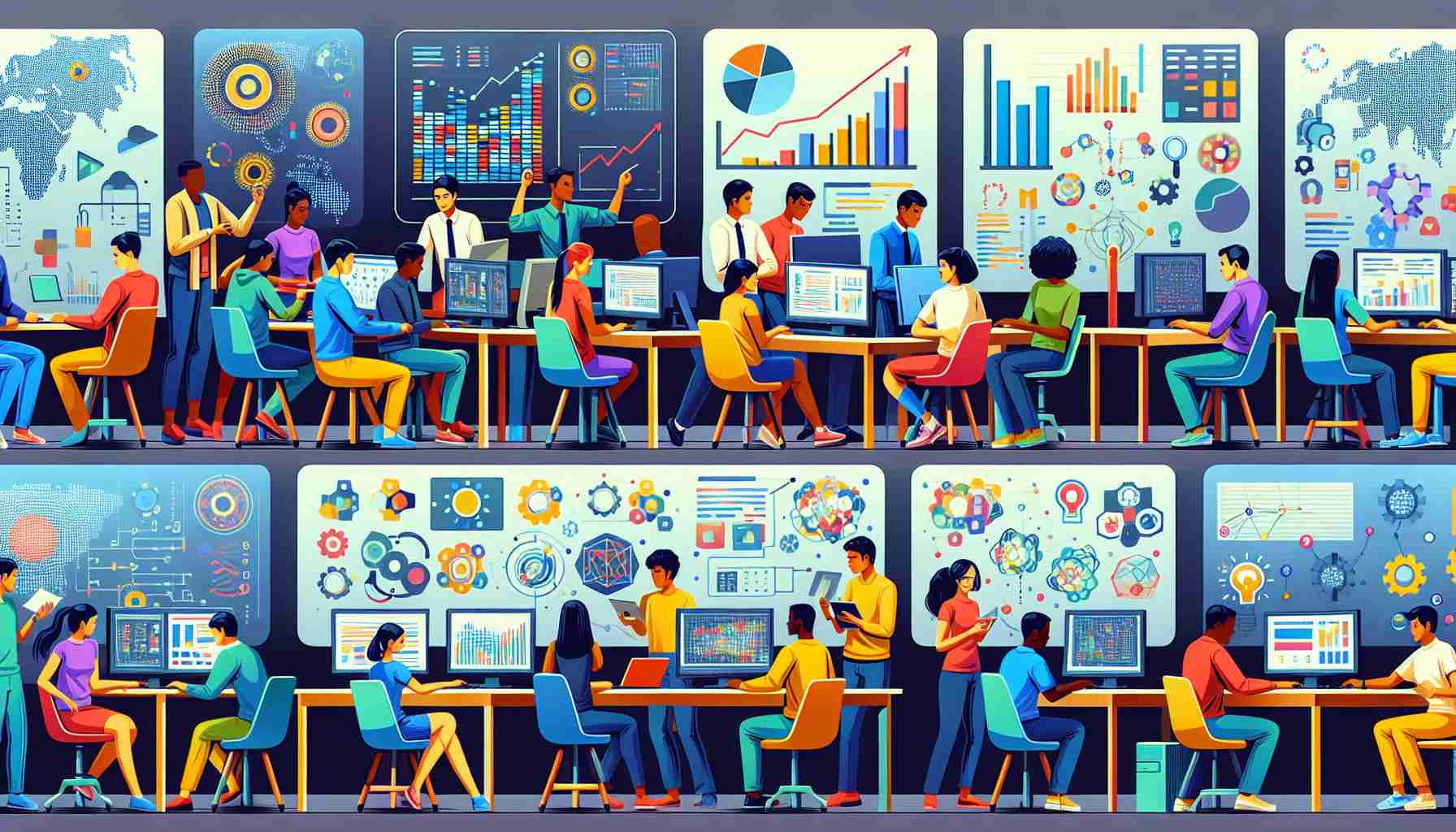
Successful case studies from these collaborations illustrate their impact on research development and innovation. For instance, partnerships between universities and major corporations have led to the establishment of research parks and innovation hubs that serve as incubators for new ideas and technologies. These environments not only facilitate knowledge transfer but also create pathways for students to gain hands-on experience in cutting-edge research, preparing them for careers in data science and related fields.
Moreover, aligning academic research with industry needs is essential for preparing students to tackle real-world challenges. As industries increasingly rely on data-driven decision-making, the demand for skilled professionals who can analyze and interpret complex datasets continues to grow. University-industry partnerships play a vital role in ensuring that educational programs remain relevant and responsive to the evolving job market. By collaborating with industry leaders, universities can develop curricula that equip students with the skills and knowledge necessary to thrive in a competitive landscape.
The importance of these partnerships extends beyond education; they also drive innovation within industries. For example, initiatives like the Northwestern Mutual Data Science Institute (NMDSI) have successfully bridged the gap between academia and industry, fostering a community of data science experts who collaborate on projects that address pressing societal issues. The NMDSI’s annual AI Symposium serves as a testament to the power of these collaborations, bringing together over 700 participants to explore the intersection of academia and industry in the rapidly evolving landscape of artificial intelligence.
In conclusion, university-industry partnerships are essential for advancing data science education and research. The recent UIDP conferences at institutions like Penn State and UTSA have underscored the significance of these collaborations in fostering innovation and addressing global challenges. By aligning academic research with industry needs, universities can prepare students for real-world challenges while driving research development and innovation. As the landscape of data science continues to evolve, the importance of these partnerships will only grow, highlighting the need for ongoing collaboration between academia and industry to create a more innovative and responsive educational ecosystem.
Impact of Data Science Education on Industry Innovation
The influence of data science education on industry innovation is becoming increasingly evident, particularly through initiatives like UC San Diego’s Data Planet. This initiative not only enhances the academic experience for Ph.D. students but also plays a pivotal role in shaping the skills and knowledge that graduates bring to the workforce. Events such as the NMDSI AI Symposium exemplify the intersection of academia and industry, showcasing how educational programs can directly impact innovation in various sectors.
At the NMDSI AI Symposium, held in April 2024, over 700 participants gathered to explore the rapidly evolving landscape of artificial intelligence and its implications for industry. The symposium featured a diverse array of speakers, including industry leaders and academic experts, who shared insights on the skills that are increasingly in demand. Jonathan Stark, the executive director of NMDSI, emphasized the importance of equipping students with both technical expertise and practical experience. This dual focus is essential for fostering a workforce capable of navigating the complexities of modern data-driven environments.
Industry leaders have echoed this sentiment, highlighting the necessity of hands-on experience in data science education. For instance, Dr. Anju Gupta, vice president of data science and analytics at Northwestern Mutual, noted during a fireside chat that graduates who have engaged in real-world projects are better prepared to tackle the challenges they will face in their careers. This practical exposure not only enhances their understanding of theoretical concepts but also cultivates critical problem-solving skills that are vital in today’s fast-paced business landscape.
The Data Planet Initiative at UC San Diego exemplifies this hands-on approach by providing Ph.D. students with opportunities to work on data-centric projects in collaboration with faculty and industry partners. This model not only enriches the students’ learning experience but also ensures that their research is aligned with industry needs. As Rajesh Gupta, Interim Dean of SCIDS, pointed out, such initiatives are crucial for preparing students to address pressing global challenges, thereby driving innovation within industries.
However, the evolving landscape of data science and AI presents both challenges and opportunities. As industries increasingly adopt advanced technologies, the demand for skilled professionals who can effectively leverage data is surging. This creates a pressing need for educational institutions to adapt their curricula to meet these changing requirements. The NMDSI AI Symposium addressed this issue, with panels discussing the importance of aligning educational programs with the skills that employers seek. The consensus among participants was clear: universities must remain agile and responsive to the needs of the job market to ensure that graduates are equipped for success.
Moreover, the ethical implications of AI and data science were a significant focus at the symposium. As organizations integrate AI technologies into their operations, concerns regarding bias, transparency, and accountability have come to the forefront. Industry leaders emphasized the importance of instilling ethical considerations into data science education, ensuring that future professionals are not only technically proficient but also socially responsible. This holistic approach to education is essential for fostering a culture of innovation that prioritizes ethical practices alongside technological advancement.
The opportunities presented by the data revolution are immense, with organizations increasingly recognizing the value of data-driven decision-making. As highlighted in various discussions at the symposium, data science is not just about analyzing numbers; it is about transforming insights into actionable strategies that drive business growth. For instance, Rajdeep Biswas, a leader in the field, has demonstrated how data science can optimize supply chains and enhance operational efficiency, showcasing the transformative potential of data-driven innovation.
In conclusion, the impact of data science education on industry innovation is profound and multifaceted. Initiatives like UC San Diego’s Data Planet and events such as the NMDSI AI Symposium illustrate the critical role that hands-on experience and university-industry partnerships play in preparing graduates for the workforce. As the landscape of data science and AI continues to evolve, educational institutions must remain proactive in adapting their programs to meet the demands of industry, ensuring that students are equipped with the skills and ethical considerations necessary to drive innovation in a rapidly changing world.
Future Trends in Data-Centric Research Initiatives
Emerging trends in data-centric research initiatives are reshaping the landscape of academia and industry, particularly through advancements in data visualization technologies and the increasing emphasis on data-driven decision-making. As organizations and educational institutions recognize the transformative potential of data, the integration of sophisticated visualization tools and methodologies has become paramount. These advancements not only enhance research capabilities but also drive innovation across various sectors.
Data visualization technologies have evolved significantly, enabling researchers and industry professionals to interpret complex datasets more effectively. The ability to present data in visually engaging formats allows for quicker insights and better communication of findings. As highlighted in a recent article on data visualization trends, the future will see a shift towards more integrated and comprehensive business intelligence (BI) solutions, where visualization is a key feature rather than a standalone tool. This evolution is crucial for organizations aiming to leverage data for strategic decision-making, as it facilitates a deeper understanding of trends and patterns that might otherwise remain obscured in raw data.
Moreover, the rise of cloud computing and big data technologies has further propelled the capabilities of data visualization. Organizations can now process vast amounts of data in real-time, allowing for immediate insights that can inform critical business decisions. For instance, the integration of generative AI into data visualization processes is revolutionizing how organizations manage and interpret data. This technology not only automates metadata management but also enhances anomaly detection, enabling users to derive greater value from their datasets. As organizations increasingly adopt these technologies, the demand for skilled professionals who can navigate and utilize these tools effectively is surging.
The implications of these trends extend beyond academia into the industry, where data-driven decision-making is becoming a standard practice. Companies are recognizing that leveraging data effectively can lead to improved operational efficiency, enhanced customer experiences, and ultimately, increased profitability. For example, businesses are utilizing data analytics to optimize supply chains, personalize marketing strategies, and predict consumer behavior. This shift towards data-centric approaches underscores the necessity for educational programs to adapt, ensuring that students are equipped with the skills needed to thrive in a data-driven environment.
As educational institutions respond to these changes, the importance of hands-on experience in data science programs cannot be overstated. Initiatives like UC San Diego’s Data Planet are at the forefront of this movement, providing Ph.D. students with opportunities to engage in real-world data-centric projects. This experiential learning approach not only enhances students’ understanding of theoretical concepts but also cultivates critical problem-solving skills that are essential in today’s fast-paced business landscape. By collaborating with industry partners, students gain insights into practical applications of data science, preparing them to meet the evolving demands of the job market.
However, as the landscape of data science continues to evolve, ethical considerations must also be addressed. The integration of AI and data analytics raises important questions about bias, transparency, and accountability. Educational programs must incorporate ethical training to ensure that future data scientists are not only technically proficient but also socially responsible. This holistic approach to education is vital for fostering a culture of innovation that prioritizes ethical practices alongside technological advancement.
In conclusion, the advancements in data visualization technologies and the growing importance of data-driven decision-making are reshaping the research landscape in both academia and industry. As organizations increasingly recognize the value of data, educational institutions must adapt their programs to equip students with the necessary skills and ethical considerations to drive innovation. The intersection of data science education and industry needs will be crucial in addressing the complex challenges of our data-driven world, ultimately fostering a culture of collaboration and innovation that benefits society as a whole.
Conclusion and Call to Action
The Data Planet Initiative at UC San Diego exemplifies the transformative potential of data science education in shaping industry innovation. As we have explored, this initiative not only enhances the academic experience for Ph.D. students but also plays a pivotal role in equipping them with the skills and knowledge necessary to thrive in a rapidly evolving job market. The importance of hands-on experience, as emphasized throughout the discussions, cannot be overstated. By engaging in real-world data-centric projects, students are better prepared to tackle the complexities of modern data-driven environments.
Moreover, the collaboration between academia and industry, as seen in initiatives like Data Planet, is essential for fostering a culture of innovation. The partnerships established through this initiative and similar programs create pathways for students to gain invaluable insights into practical applications of data science, ultimately driving advancements in various sectors. As industries increasingly rely on data-driven decision-making, the demand for skilled professionals who can analyze and interpret complex datasets continues to grow, underscoring the need for educational institutions to adapt their curricula accordingly.
Looking ahead, it is crucial for stakeholders—educators, industry leaders, and policymakers—to continue investing in university-industry partnerships. These collaborations not only enhance research capabilities but also ensure that educational programs remain relevant and responsive to the evolving needs of the job market. By fostering a culture of innovation and collaboration, we can address pressing global challenges and prepare the next generation of data scientists to lead in an increasingly data-centric world. Engaging with initiatives like UC San Diego’s Data Planet will be vital in shaping the future of data science education and its impact on industry innovation.
Reference:
- UC San Diego’s Data Planet Initiative Enters New Growth Phase
- NMDSI Hosts Second Annual AI Symposium to Explore AI Innovations and Impact
- Building a World-Class Data Science and Machine Learning Practice
- Rajdeep Biswas Honored with 2024 Global Recognition Award for Data Science Innovations
- Penn State Hosts Inaugural UIDP Conference to Strengthen University-Industry Partnerships
- UTSA Hosts UIDP Conference to Enhance University-Industry Partnerships
- Exploring Open Science Partnerships in Biomedical Research
- Data Revolution: Transforming Industries
- Understanding Data-Driven Decision-Making: A Comprehensive Overview
- Top AI and Machine Learning Trends to Watch in 2024
- Understanding Business Intelligence: Types, Benefits, and Examples
- 10 Emerging Trends of Big Data Technologies for 2025 and Beyond
- 7 Future Data Visualization Trends Beyond 2024