
Introduction: The Importance of Holistic Student Wellness
In recent years, the concept of holistic student wellness has gained significant traction within U.S. universities, reflecting a broader understanding of what it means to support student success. This shift recognizes that academic achievement is not solely dependent on intellectual capabilities but is deeply intertwined with mental, emotional, and physical well-being. The recent dedication of the Highmark Center for Health, Wellness and Athletics at Carnegie Mellon University (2025 USNews Ranking: 21) (CMU) serves as a compelling case study in this evolving landscape.
The Highmark Center, which officially opened on October 24, 2024, is a 160,000-square-foot facility designed to enhance the holistic student experience. It embodies a proactive approach to student health, moving away from traditional reactive models that often address issues only after they arise. CMU’s commitment to fostering a supportive environment for personal and academic growth is evident in the center’s diverse offerings, which include wellness programs, a health clinic, and spaces dedicated to physical fitness and mental well-being. This initiative is part of a broader investment in student wellness that has been a leadership priority at CMU since 2016, emphasizing the importance of collaboration among faculty, staff, students, and alumni to create evidence-based strategies for improving student health.
The significance of mental health and wellness in the context of higher education cannot be overstated. Research indicates that mental health challenges are prevalent among university students, with studies showing that three out of four individuals will face such issues by the age of 24. Alarmingly, suicide is the second leading cause of death among young people aged 15 to 34, underscoring the urgent need for effective mental health interventions in university settings. Institutions like CMU are increasingly recognizing that addressing these challenges is not just a matter of providing support but is essential for enhancing overall student success and retention rates.
Ashley Gelber, a senior studying clinical psychology and a liaison for CMU’s Peer Health Advocates, highlighted the importance of community and wellness during the dedication ceremony. Her remarks reflect a growing awareness among students of the need for universities to address the diverse wellness needs of their populations. This proactive approach is echoed in the broader trends observed across many institutions, where mental health services are being integrated into strategic plans rather than being relegated to emergency responses.
Moreover, the Highmark Center exemplifies how universities are evolving to meet the diverse wellness needs of their students. The facility includes not only traditional athletic spaces but also areas designed for contemplation and wellness programs, recognizing that student wellness encompasses a wide range of experiences and needs. This holistic approach is crucial in creating an environment where students can thrive both academically and personally.
As universities continue to adapt to the changing landscape of student needs, the emphasis on holistic wellness is likely to grow. Institutions are increasingly aware that fostering a healthy mind, body, and spirit among their community members is essential for cultivating an environment conducive to learning and personal development. The proactive strategies being adopted, as demonstrated by CMU’s Highmark Center, signal a significant shift in how universities view their role in supporting student wellness, paving the way for a more integrated and comprehensive approach to education.
The Role of University Wellness Programs in Student Success
The recent dedication of the Highmark Center for Health, Wellness and Athletics at Carnegie Mellon University (CMU) marks a significant step in the evolution of university wellness programs, reflecting a growing recognition of the critical role mental health plays in student success. This 160,000-square-foot facility is not just a physical space; it embodies a holistic approach to student wellness that integrates mental, physical, and emotional health into the academic experience. As CMU President Farnam Jahanian noted, the center represents a shift from reactive to proactive health strategies, emphasizing the importance of fostering a supportive environment for personal and academic growth.
Research consistently shows a strong correlation between mental health support and student retention rates. A study highlighted by Times Higher Education indicates that students facing mental health challenges are twice as likely to drop out of university. This alarming statistic underscores the necessity for early intervention and personalized support systems within academic institutions. By prioritizing mental health services, universities can significantly enhance student well-being and academic performance, ultimately leading to higher retention rates.
CMU’s initiative is not an isolated case; other institutions, such as Huron University, have also successfully integrated wellness into their strategic plans. Huron University has developed a comprehensive mental health strategy that includes early identification of issues, easy access to services, and accountability measures. This proactive approach is essential, particularly for international students who often face unique challenges, such as cultural adjustment and language barriers. By tailoring mental health supports to meet the diverse needs of their student populations, universities can create inclusive environments that encourage students to seek help without fear of stigma.
Despite the progress made in reducing stigma surrounding mental health, significant barriers still exist. Many students hesitate to seek help due to fears of judgment or cultural differences in discussing mental health issues. This highlights the need for universities to cultivate inclusive environments that not only provide access to mental health resources but also actively promote a culture of openness and support. Initiatives that educate students on recognizing when they need assistance and how to access available resources are crucial in breaking down these barriers.
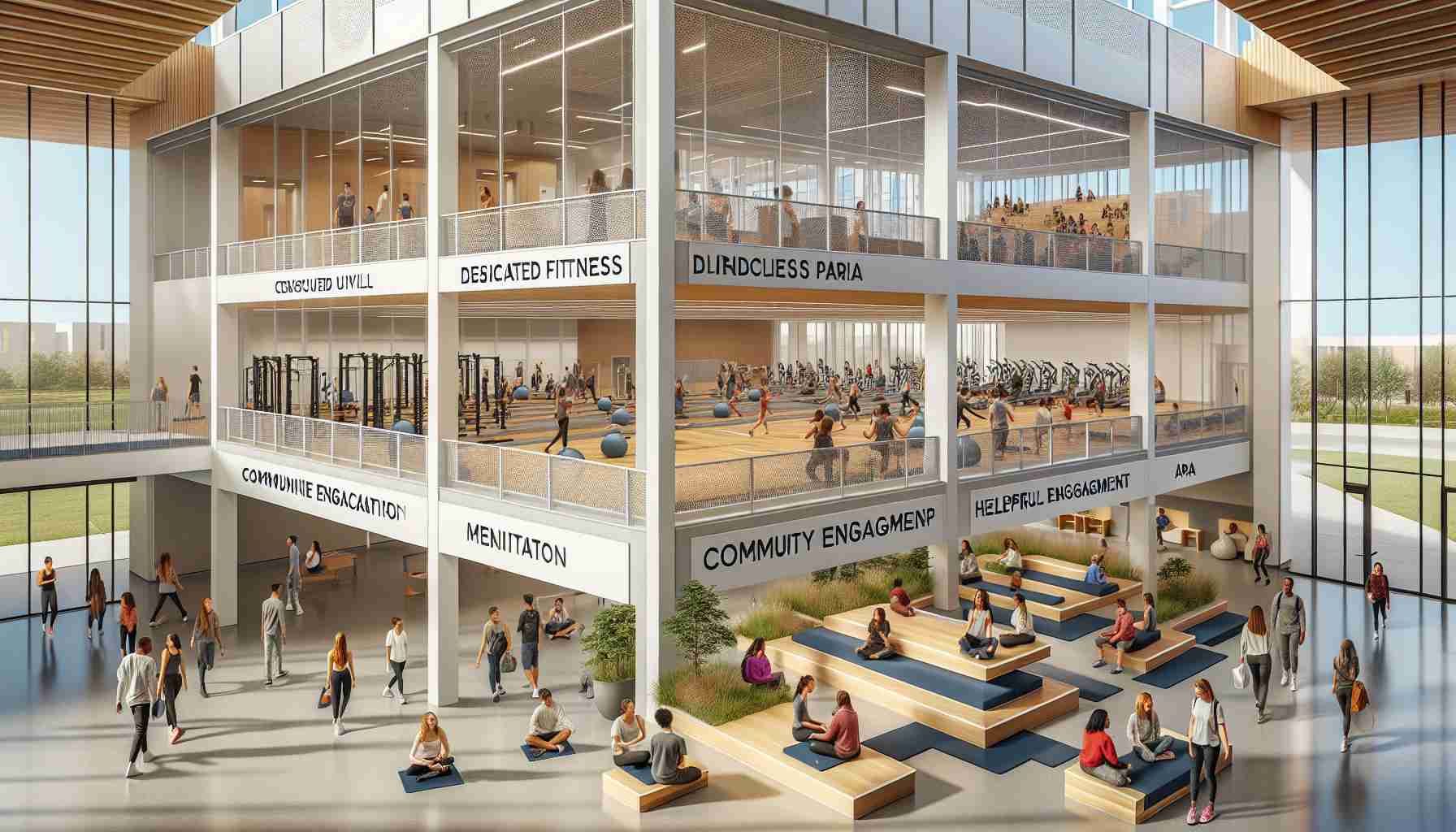
The Highmark Center at CMU exemplifies how modern university facilities can be designed to promote wellness. With features such as the Hoplamazian Family Well-Being Lab and various wellness programs, the center aims to create a space where students can prioritize their mental health alongside their academic pursuits. This holistic approach is increasingly being adopted by universities across the country, as they recognize that student success encompasses more than just academic achievement.
Moreover, the establishment of wellness programs is not merely a trend but a necessary evolution in higher education. Institutions that fail to prioritize mental health risk hindering their students’ ability to achieve their career aspirations. The proactive integration of wellness into university life is essential for fostering resilience among students, equipping them with the tools they need to navigate the challenges of academic life and beyond.
As universities continue to develop and enhance their wellness initiatives, it is imperative that they also consider sustainable funding strategies to ensure the longevity of these programs. The establishment of endowments, partnerships with health organizations, and community engagement can provide the necessary resources to maintain and expand mental health services. By investing in the well-being of their students, universities not only enhance individual success but also contribute to the overall health of their communities.
In conclusion, the dedication of the Highmark Center at CMU serves as a powerful reminder of the importance of mental health support in higher education. As universities like CMU and Huron University lead the way in integrating wellness into their strategic plans, the focus must remain on creating inclusive environments that prioritize early intervention and personalized support. By addressing the barriers students face in accessing mental health services, institutions can foster a culture of wellness that ultimately enhances student success and retention.
Community Engagement: Enhancing Student Experiences
The recent dedication of the Highmark Center for Health, Wellness, and Athletics at Carnegie Mellon University (CMU) exemplifies the growing recognition of community engagement as a vital component in enhancing student experiences. This 160,000-square-foot facility is not merely an athletic complex; it represents a holistic approach to student wellness, integrating physical health, mental well-being, and community involvement into the university’s fabric. The center’s development was a collaborative effort involving faculty, staff, students, and alumni, reflecting a commitment to addressing the diverse wellness needs of the student body. As Ashley Gelber, a senior studying clinical psychology, articulated during the dedication ceremony, fostering a sense of community is essential for promoting student health and success.
The Highmark Center is part of a broader initiative at CMU that has prioritized student wellness since 2016. This initiative has led to the creation of modern residence halls, neighborhood commons, and even an on-campus grocery store, all designed to support student well-being. The collaborative nature of these projects underscores the importance of involving various stakeholders in the decision-making process. By gathering input from the community, CMU has been able to develop evidence-based strategies that resonate with the actual needs of its students. This model of engagement not only enhances the student experience but also fosters a sense of ownership and belonging among the university community.
Similarly, the ongoing presidential search at Amarillo College highlights the significance of community engagement in university leadership. The finalists for the presidency, Dr. Frank Sobey and Dr. Jamelle Conner, were selected based on their demonstrated commitment to student success and community involvement. The search process itself involved input from faculty, staff, and community leaders, emphasizing the college’s dedication to transparency and collaboration. This approach ensures that the new president will be well-equipped to lead initiatives that prioritize student engagement and workforce development, further solidifying the college’s role as a community-focused institution.
Successful community engagement strategies can take many forms. For instance, Purdue Global’s Student Life manager, Jessi Eaton, has implemented initiatives that foster student connections and promote extracurricular activities among its online learners. By encouraging participation in student organizations and community service, Eaton is cultivating a vibrant student life experience that extends beyond academics. This holistic approach not only enhances students’ skills and networks but also fosters a sense of belonging, which is crucial for retention and success in an online learning environment.
Moreover, the establishment of the Delaplain Family Lifestyle Medicine Endowment at the University of Nevada, Reno, aims to combat burnout among future healthcare providers by focusing on lifestyle medicine education. This initiative reflects a proactive approach to mental health and wellness, recognizing the importance of equipping students with the tools to manage their well-being effectively. By prioritizing mental health education and support, universities can create environments that not only enhance academic performance but also prepare students for the challenges they will face in their professional lives.
The collaborative efforts seen in these initiatives highlight the critical role that community engagement plays in enhancing student experiences at universities. By fostering partnerships among faculty, staff, students, and community leaders, institutions can create supportive environments that promote well-being and engagement. As universities continue to evolve, the integration of community engagement into their strategic plans will be essential for addressing the diverse needs of their student populations and ensuring long-term success.
Trends in Modern University Facilities: Balancing Athletics and Wellness
The recent dedication of the Highmark Center for Health, Wellness, and Athletics at Carnegie Mellon University (CMU) marks a significant trend in university facility design that prioritizes both athletics and wellness. This 160,000-square-foot facility is not just a space for physical activity; it embodies the principles of active design, which integrates architectural elements that encourage movement and promote mental well-being. The Highmark Center features a variety of amenities, including a main arena, gymnasium, and wellness spaces, all designed to foster a holistic student experience.
Active design is a concept that emphasizes the creation of environments that encourage physical activity and social interaction. The Highmark Center exemplifies this by incorporating features such as contemplation nooks and the Posner Family Wellness Garden, which provide students with spaces to relax and recharge. These design elements are crucial in addressing the diverse wellness needs of students, as highlighted by Ashley Gelber, a senior at CMU, who spoke about the importance of community and wellness during the center’s dedication ceremony. The integration of wellness into the architectural framework of university facilities reflects a proactive approach to student health, moving away from reactive measures to a more comprehensive strategy that supports both physical and mental well-being.
Comparatively, other institutions have also embraced this trend, recognizing the importance of creating spaces that support holistic student development. For instance, the University of Nevada, Reno has established the Delaplain Family Lifestyle Medicine Endowment, which focuses on enhancing the mental health and wellness of medical students through educational programs centered on lifestyle medicine. This initiative underscores the growing recognition of the need for wellness programs that address the unique challenges faced by students in high-stress fields, such as healthcare.
Moreover, the architectural design of wellness-focused facilities is becoming increasingly sophisticated. The Centre de glaces de Québec, for example, features a 360-degree ribbon of windows that connects the interior to the surrounding landscape, enhancing the experience of both athletes and spectators. Such designs not only promote physical activity but also foster a sense of community and connection to nature, which is essential for mental well-being.
The emphasis on wellness in university facilities is not merely a trend but a necessary evolution in higher education. As institutions like CMU and the University of Nevada, Reno demonstrate, the integration of wellness into the fabric of campus life is vital for supporting student success. This holistic approach recognizes that academic achievement is intertwined with physical and mental health, and that creating environments conducive to well-being is essential for fostering resilience among students.
In conclusion, the Highmark Center at CMU serves as a model for how universities can effectively integrate wellness into their facilities. By prioritizing active design and creating spaces that support both athletics and mental health, institutions can enhance the overall student experience and promote a culture of well-being. As more universities adopt similar strategies, the landscape of higher education will continue to evolve, placing greater emphasis on the importance of holistic student development.
Funding Strategies for Sustainable Wellness Initiatives
The financial sustainability of wellness initiatives at universities is a critical concern as institutions strive to enhance student well-being and academic success. The recent dedication of the Highmark Center for Health, Wellness and Athletics at Carnegie Mellon University (CMU) exemplifies the significant investments universities are making in wellness facilities. Funded by a $35 million lead gift from Highmark Inc. and contributions from over 300 alumni, parents, faculty, and staff, this initiative underscores the importance of diverse funding sources in establishing and maintaining wellness programs.
To ensure the longevity of such initiatives, universities must explore a variety of funding strategies. Traditional funding sources, such as government grants and institutional budgets, are essential but often insufficient to cover the comprehensive needs of wellness programs. As highlighted in a recent article by the National Council on Aging, organizations are encouraged to diversify their funding streams by seeking out foundations, private donors, corporate sponsorships, and community investment funds. This approach not only broadens the financial base but also fosters a sense of community ownership and engagement in wellness initiatives.
Building strong partnerships is another vital strategy for securing long-term support. Collaborations with local health organizations, businesses, and community groups can enhance the reach and impact of wellness programs while providing additional funding opportunities. For instance, the establishment of the Delaplain Family Lifestyle Medicine Endowment at the University of Nevada, Reno, aims to combat burnout among future healthcare providers by funding educational programs focused on lifestyle medicine. This initiative illustrates how partnerships can lead to innovative solutions that address specific wellness challenges within the student population.
Moreover, universities should prioritize the development of a structured grant application process to streamline funding pursuits. By breaking down the application process into manageable tasks and assigning responsibilities, institutions can enhance the quality of their submissions and increase their chances of securing funding. Customizing proposals to align with the objectives of potential funders is also crucial. This tailored approach demonstrates a clear understanding of the funder’s mission and how the wellness initiative can contribute to their goals.
The importance of early engagement in the funding search cannot be overstated. As noted in the NCOA article, proactive pursuit of diverse funding streams is essential for the sustainability of wellness programs. Universities should begin exploring funding opportunities from the inception of their wellness initiatives, ensuring that financial sustainability is built into the program’s framework from the start. This forward-thinking approach can help institutions avoid the pitfalls of relying solely on short-term funding solutions.
In addition to these strategies, universities must also consider the broader implications of their wellness initiatives on student success and mental health. Research indicates that mental health directly impacts academic performance, with students facing mental health challenges being twice as likely to drop out of university. Therefore, investing in wellness programs is not merely an expenditure but a strategic investment in the institution’s overall success. By prioritizing financial sustainability in wellness initiatives, universities can create environments that support student well-being, ultimately leading to improved academic outcomes and a healthier campus community.
As universities navigate the complexities of funding wellness initiatives, the insights from recent articles emphasize the need for a multifaceted approach. By diversifying funding sources, building partnerships, and developing structured grant processes, institutions can enhance the sustainability of their wellness programs. This commitment to financial sustainability will not only benefit students but also contribute to the long-term success and reputation of the university as a whole.
Reference:
CMU Community Dedicates Highmark Center As a Home For Holistic Student Experience
The Importance of Mental Health Support for Young People in Universities
New Endowment Established to Combat Burnout Among Future Healthcare Providers
Amarillo College Names Finalists for Presidential Search
Purdue Global’s Jessi Eaton Enhances Student Engagement and Success
Active Design Workplaces Promote Wellness and Workouts
Campus Housing: Evolving to Meet Student Needs
Sustainable Tourism Practices: A Proposal to Reduce Environmental Impact in Popular Destinations
The Importance of Health Education in Community Well-Being
Exploring Alternative Funding Sources for Falls Prevention and CDSME Programs
The Case for Human Sustainability: A New Approach to Organizational Success