
The Power of Alumni Networks: A Case Study of Yale University and Beyond
On August 13, 2024, the Yale University Alumni Association published an article highlighting the active involvement of alumna Nancy A. Stratford, a member of the Class of 1977, in the university’s alumni network platform, Cross Campus. This online community aims to foster connections and mentorship between Yale alumni and current students, boasting over 26,000 members. Stratford, a dedicated mentor and volunteer, shared her experiences interacting with fellow alumni and students, emphasizing the value of intergenerational communication. She expressed that helping students and alumni is a source of joy for her, particularly when she assisted a sophomore in preparing for summer internships through mock interviews, which boosted the student’s confidence and ultimately led to multiple job offers. Additionally, Stratford helped a young alumna find a sense of belonging in a new city by connecting her with local Yale clubs and interest groups. She praised the functionality of the Cross Campus platform, noting its user-friendly interface and clear information, which effectively facilitates alumni communication. Stratford encouraged more alumni to join Cross Campus, share their experiences and wisdom, and assist current students and fellow alumni. Her career spans finance and investment, having served as the chair of the Yale Alumni Fund and participated in the founding and management of several alumni organizations. Stratford’s experiences illustrate the importance of close connections and mutual support among Yale alumni.
The narrative surrounding Nancy A. Stratford’s involvement in Yale’s alumni network is not just a singular story; it reflects broader themes that resonate across U.S. colleges and universities. The impact of alumni networks on student career development, the role of mentorship in higher education, the benefits of online platforms for alumni engagement, and the importance of community building among alumni in different cities are all critical components that contribute to the success of these networks.
The Impact of Alumni Networks on Student Career Development
Alumni networks play a pivotal role in shaping the career trajectories of students. The connections forged through these networks can provide students with invaluable resources, insights, and opportunities that are often not available through traditional academic channels. For instance, the recent appointment of Stella Ling and Tanya Bustamante as co-presidents of the University of California-Berkeley (2024 USNews Ranking: 15) School of Public Health Alumni Association exemplifies this impact. Both women have extensive backgrounds in public health and are committed to enhancing professional development, scholarships, and diversity initiatives within their field. Their leadership roles not only allow them to give back to their alma mater but also create pathways for current students to engage with seasoned professionals.
The significance of alumni networks is particularly pronounced in competitive fields such as public health, where mentorship can bridge the gap between academic knowledge and real-world application. By facilitating discussions on pressing topics like artificial intelligence and climate change, Ling and Bustamante are not only fostering a sense of community but also equipping students with the tools they need to navigate their careers effectively. This kind of engagement is crucial, as it helps students understand the nuances of their chosen fields and prepares them for the challenges they may face post-graduation.
Moreover, alumni networks can serve as a lifeline for students from underrepresented backgrounds. Research indicates that structured mentorship programs can significantly improve the academic and career outcomes for underrepresented minority (URM) students, particularly in STEM fields. The lack of representation among URM students in STEM academia—where only 8.9% of faculty come from these backgrounds—highlights the urgent need for mentorship and support. By leveraging alumni networks, institutions can create structured mentorship opportunities that connect URM students with role models who share similar backgrounds and experiences. This not only enhances the students’ sense of belonging but also fosters a supportive environment that encourages academic persistence and success.
The Role of Mentorship in Higher Education
Mentorship is a cornerstone of higher education, providing students with guidance, support, and encouragement as they navigate their academic and professional journeys. The importance of mentorship is underscored by the challenges faced by URM students in STEM fields, where they often encounter barriers such as stereotype threat, microaggressions, and impostor syndrome. These challenges can lead to feelings of isolation and hinder their academic performance and career aspirations.
To address these issues, academic institutions must implement structured mentorship programs that go beyond traditional one-on-one relationships. By creating opportunities for group mentoring, peer support, and community engagement, institutions can foster a more inclusive environment that empowers URM students. For example, initiatives that connect URM students with alumni who have successfully navigated similar challenges can provide invaluable insights and encouragement. These connections can help demystify the academic and professional landscape, making it more accessible for students who may feel out of place.
Furthermore, mentorship should not be limited to academic guidance; it should also encompass professional development and networking opportunities. Alumni networks can facilitate workshops, panels, and networking events that allow students to interact with industry professionals and gain insights into various career paths. By fostering these connections, institutions can help students build the confidence and skills necessary to succeed in their chosen fields.
The Benefits of Online Platforms for Alumni Engagement
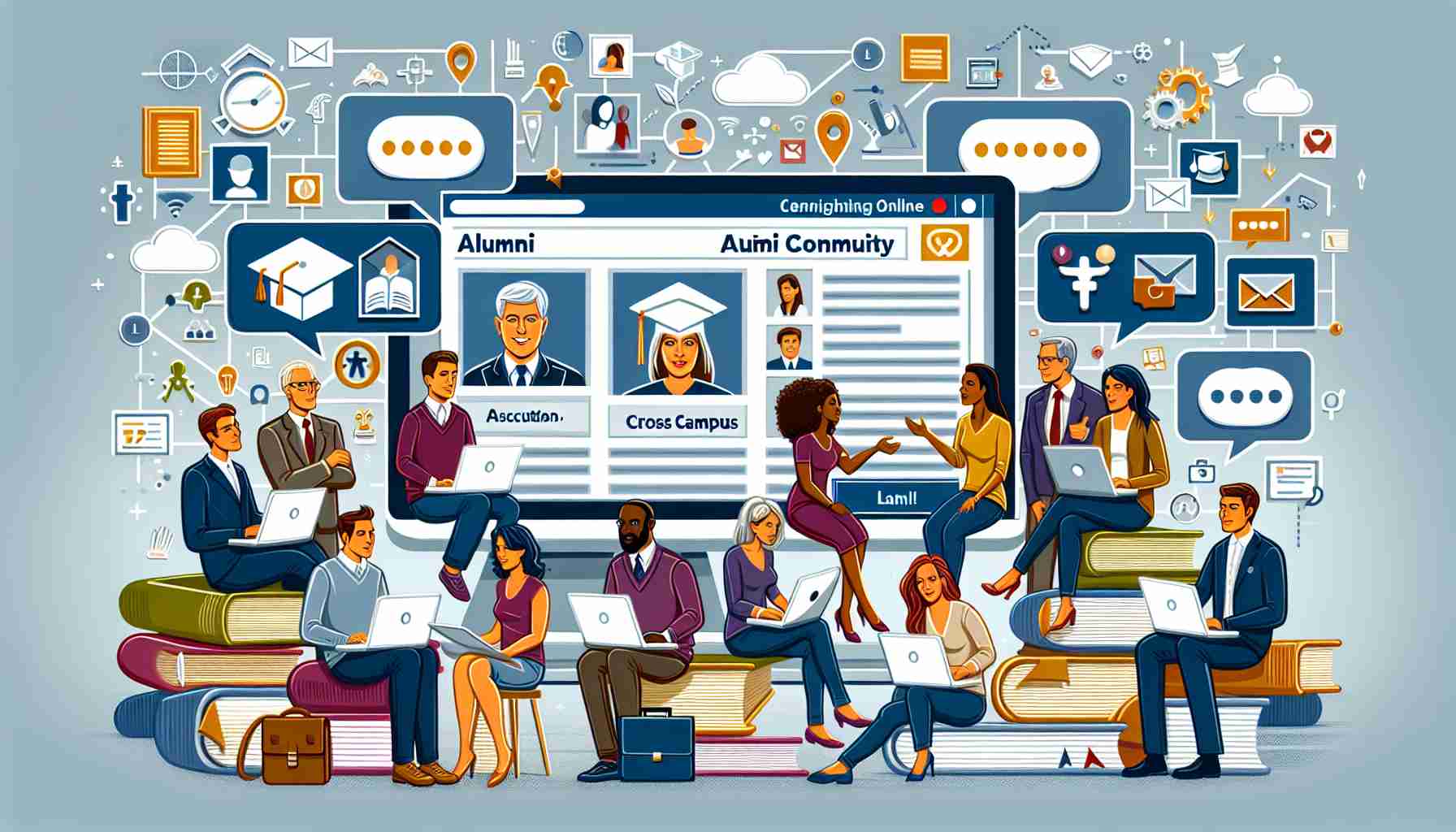
In today’s digital age, online platforms have revolutionized the way alumni engage with their alma maters and each other. The Cross Campus platform at Yale University exemplifies how technology can enhance alumni engagement by providing a user-friendly interface that facilitates communication and connection. With over 26,000 members, Cross Campus serves as a vibrant online community where alumni can share experiences, seek advice, and offer mentorship to current students.
The benefits of online platforms extend beyond mere connectivity; they also provide opportunities for professional development and collaboration. Social media, for instance, has become an essential tool for alumni to maintain relationships and share insights. Platforms like LinkedIn allow alumni to showcase their professional achievements, connect with peers, and explore job opportunities. This digital landscape enables alumni to stay informed about industry trends and developments, further enhancing their career prospects.
Moreover, online platforms can help bridge geographical gaps among alumni. As demonstrated by the recent alumni networking event hosted by Elon University in New York City, these gatherings provide opportunities for alumni to connect with one another, regardless of their current location. By fostering a sense of community among alumni living in different cities, institutions can create a supportive network that extends beyond the campus. This is particularly important for recent graduates who may be navigating new environments and seeking to establish professional connections.
The Importance of Community Building Among Alumni in Different Cities
Community building among alumni is essential for fostering a sense of belonging and support, especially for those who have relocated to new cities. The event organized by Elon University in New York City serves as a prime example of how institutions can facilitate connections among alumni and current students. By bringing together graduates from various industries and graduation years, the event provided a platform for sharing experiences, insights, and advice.
Such gatherings not only enhance the alumni network but also empower students to explore potential career paths. The interactions between students and alumni can lead to mentorship opportunities, internships, and job placements, ultimately shaping the students’ professional journeys. As current student Alexa Morrissey noted, engaging with alumni allowed her to reflect on shared experiences and anticipate future collaborations. This sentiment underscores the value of community building in creating lasting connections that benefit both students and alumni.
Furthermore, community building initiatives can help alumni maintain a sense of connection to their alma mater, even after graduation. By participating in events, networking opportunities, and online discussions, alumni can stay engaged with the university community and contribute to its ongoing success. This engagement not only benefits the alumni themselves but also enhances the institution’s reputation and influence in the broader educational landscape.
Conclusion
The experiences of Nancy A. Stratford and the initiatives undertaken by various universities illustrate the profound impact of alumni networks on student career development, the critical role of mentorship in higher education, the advantages of online platforms for alumni engagement, and the importance of community building among alumni in different cities. As U.S. colleges and universities continue to navigate the evolving landscape of higher education, fostering strong alumni networks will be essential for supporting students and enhancing their academic and professional journeys.
By prioritizing mentorship, leveraging technology, and building inclusive communities, institutions can create environments that empower students to thrive. The stories of dedicated alumni like Stratford serve as a reminder of the power of connection and the lasting impact that alumni can have on the lives of current students. As more alumni engage with their alma maters and share their experiences, the potential for growth, collaboration, and success within the academic community will only continue to expand.