
UC San Diego’s Campus Transformation: A Vision for the Future
On July 23, 2024, the University of California-San Diego (2024 USNews Ranking: 28) (UC San Diego) unveiled an ambitious campus transformation plan aimed at addressing the growing demands for teaching and research. This initiative, spearheaded by Chancellor Pradeep K. Khosla, was developed in collaboration with over 10,000 members of the campus and local community. The plan emphasizes a commitment to students, groundbreaking research, and public service, reflecting a broader trend among U.S. colleges to enhance their infrastructure and academic offerings in response to evolving educational needs.
The Multidisciplinary Life Sciences Building: A Catalyst for Research
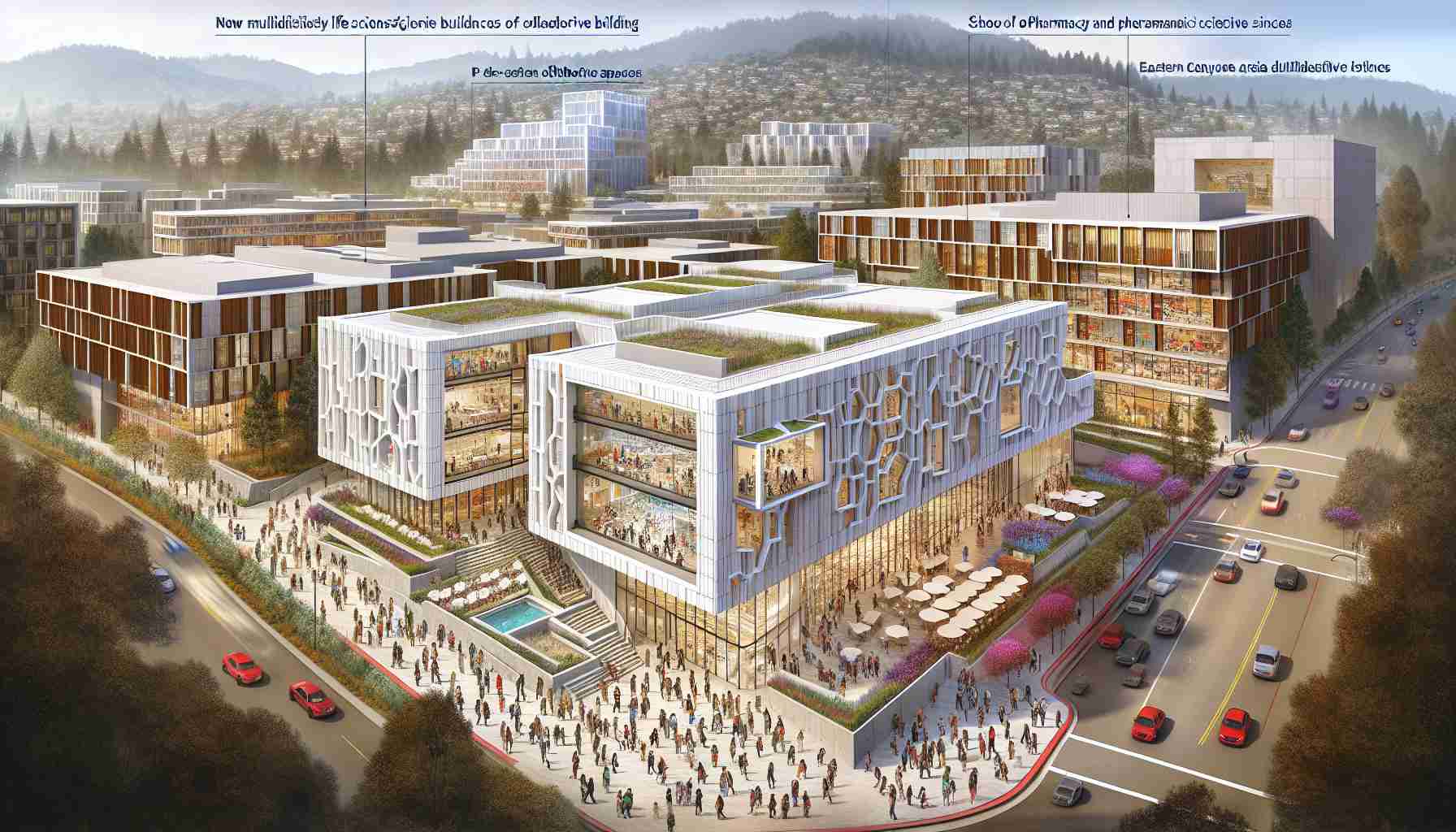
At the heart of UC San Diego’s transformation plan is the construction of a new multidisciplinary life sciences building, strategically located adjacent to the Skaggs School of Pharmacy and Pharmaceutical Sciences. This facility is designed to foster research in neurobiology, particularly in the areas of neurodegenerative diseases, inflammation, immunology, and infectious diseases. By providing modernized spaces for research and teaching, the building aims to promote collaboration across various disciplines, a critical factor in advancing scientific inquiry.
The importance of interdisciplinary research cannot be overstated, especially in an era where complex societal challenges require innovative solutions. For instance, the University of Texas-Arlington (UTA) recently announced a 40% increase in funding for its Interdisciplinary Research Projects (IRP), highlighting the growing recognition of the need for collaboration among experts from different fields. UTA’s initiative, which supports projects ranging from wearable technology in pain management to the effects of low-dose radiation on cardiac cells, exemplifies how universities are increasingly prioritizing interdisciplinary approaches to research.
UC San Diego’s new life sciences building is expected to play a similar role, serving as a hub for researchers to engage in collaborative projects that can lead to significant advancements in health and medicine. By creating an environment conducive to interdisciplinary work, UC San Diego is positioning itself as a leader in the life sciences, which is crucial for attracting top talent and securing funding from federal, state, and private sources.
Addressing Housing Shortages: The Pepper Canyon East Development
In addition to the life sciences building, UC San Diego is also tackling a pressing issue that many U.S. colleges face: student housing shortages. The Pepper Canyon East development plan, which spans 20 acres, aims to provide housing for up to 6,000 undergraduate students. This initiative is particularly timely, as UC San Diego has experienced a significant increase in enrollment, with projections indicating that the student population will exceed 50,000 in the next decade.
The housing crisis at UC San Diego is emblematic of a broader trend affecting many universities across the country. As student enrollment continues to rise, the demand for affordable housing has outpaced supply, leading to a situation where thousands of students are left without adequate accommodations. Currently, approximately 22,000 students are housed on campus, but nearly 2,800 students are still on waiting lists for housing. The Pepper Canyon East project, with its first phase expected to be completed by the summer of 2029, aims to alleviate this burden by providing modern, affordable housing options.
Chancellor Khosla has emphasized that the new housing will be priced at least 20% below market rates, making it a viable option for students who are increasingly burdened by rising living costs. This commitment to affordable housing is crucial for ensuring that all students have access to a supportive living environment, which is essential for their academic success and overall well-being.
Community Engagement in University Planning
A key aspect of UC San Diego’s transformation plan is the emphasis on community engagement. Chancellor Khosla’s approach to developing this vision involved extensive consultation with campus and community members, reflecting a growing trend among universities to prioritize stakeholder input in their planning processes. This engagement is not only vital for ensuring that the needs of students and the community are met but also fosters a sense of ownership and investment in the university’s future.
For example, New Jersey City University (NJCU) recently launched a strategic planning process focused on student development and community engagement. This initiative involves gathering feedback from community members through surveys, town hall meetings, and workshops, allowing stakeholders to contribute to the university’s strategic direction. Such efforts underscore the importance of collaboration between universities and their surrounding communities, which can lead to more effective and inclusive planning outcomes.
UC San Diego’s commitment to community engagement is evident in its plans for the Pepper Canyon East development, which will not only provide housing but also include amenities such as dining options, study spaces, and cultural infrastructure. By investing in these facilities, UC San Diego aims to enhance the overall campus experience and strengthen its ties to the local community.
The Broader Implications of UC San Diego’s Transformation
The initiatives outlined in UC San Diego’s campus transformation plan are indicative of a larger movement within U.S. higher education. As universities grapple with increasing enrollment, rising costs, and the need for innovative research, many are re-evaluating their infrastructure and academic offerings. The focus on interdisciplinary research, affordable housing, and community engagement reflects a holistic approach to addressing the challenges facing modern universities.
Moreover, the emphasis on creating spaces that foster collaboration and innovation is crucial for preparing students for the complexities of the workforce. In an increasingly interconnected world, the ability to work across disciplines and engage with diverse perspectives is essential for success. By prioritizing these elements, UC San Diego is not only enhancing its academic offerings but also equipping its students with the skills needed to thrive in a rapidly changing landscape.
Conclusion
In conclusion, the University of California-San Diego’s campus transformation plan represents a significant step forward in addressing the evolving needs of students and the broader community. Through the construction of a multidisciplinary life sciences building and the development of the Pepper Canyon East neighborhood, UC San Diego is positioning itself as a leader in research and student support. The emphasis on community engagement further underscores the university’s commitment to fostering a collaborative environment that benefits all stakeholders.
As U.S. colleges continue to navigate the challenges of rising enrollment and housing shortages, UC San Diego’s initiatives serve as a model for how universities can effectively respond to these issues. By prioritizing interdisciplinary research, affordable housing, and community involvement, UC San Diego is not only enhancing its own campus experience but also contributing to the broader landscape of higher education in the United States. The future of UC San Diego looks promising, and its transformation plan is a testament to the university’s dedication to academic excellence and public service.