
The Historic Donation to William & Mary University: A New Era for Marine and Coastal Sciences
On July 24, 2024, the College of William & Mary (2024 USNews Ranking: 53) announced a groundbreaking $100 million donation from philanthropist Jane Batten, aimed at establishing the Batten School of Coastal & Marine Sciences. This monumental gift marks the largest single donation in the university’s 331-year history and stands as the most significant contribution globally to support marine and coastal sciences education, research, and solutions. The initiative is a response to the pressing challenges posed by global change, particularly issues such as rising sea levels, increased storm intensity, diminishing agricultural land, and deteriorating water quality, which affect billions of coastal residents worldwide. The Batten donation positions William & Mary and its affiliated Virginia Institute of Marine Science (VIMS) as leading institutions in addressing these threats.
Katherine Rowe, the president of William & Mary, emphasized the university’s commitment to tackling urgent local, national, and international challenges. The new Batten School will advance the concept of “science for solutions,” serving both Virginia and the global community. Jane Batten views this donation as a new beginning, calling for global support for the school’s pioneering research and innovation.
The new school will focus on attracting top talent, establishing a leading position in global marine and coastal sciences, enhancing infrastructure, and fostering innovative teaching and extensive public-private partnerships. The school plans to launch new undergraduate and graduate degree programs aimed at cultivating scientists and thought leaders capable of addressing global change.
The Batten family’s generous contributions to environmental protection, education, and research have already had a profound impact on William & Mary. Jane Batten and her late husband, Frank Batten, served on the university’s board in the 1990s, and their legacy will continue to drive positive change on a global scale. The faculty and staff at William & Mary and VIMS are prepared to seize this historic moment to expand research, educate the public, and provide scientific foundations for decision-making.
The Impact of Jane Batten’s Donation on Marine and Coastal Sciences Education
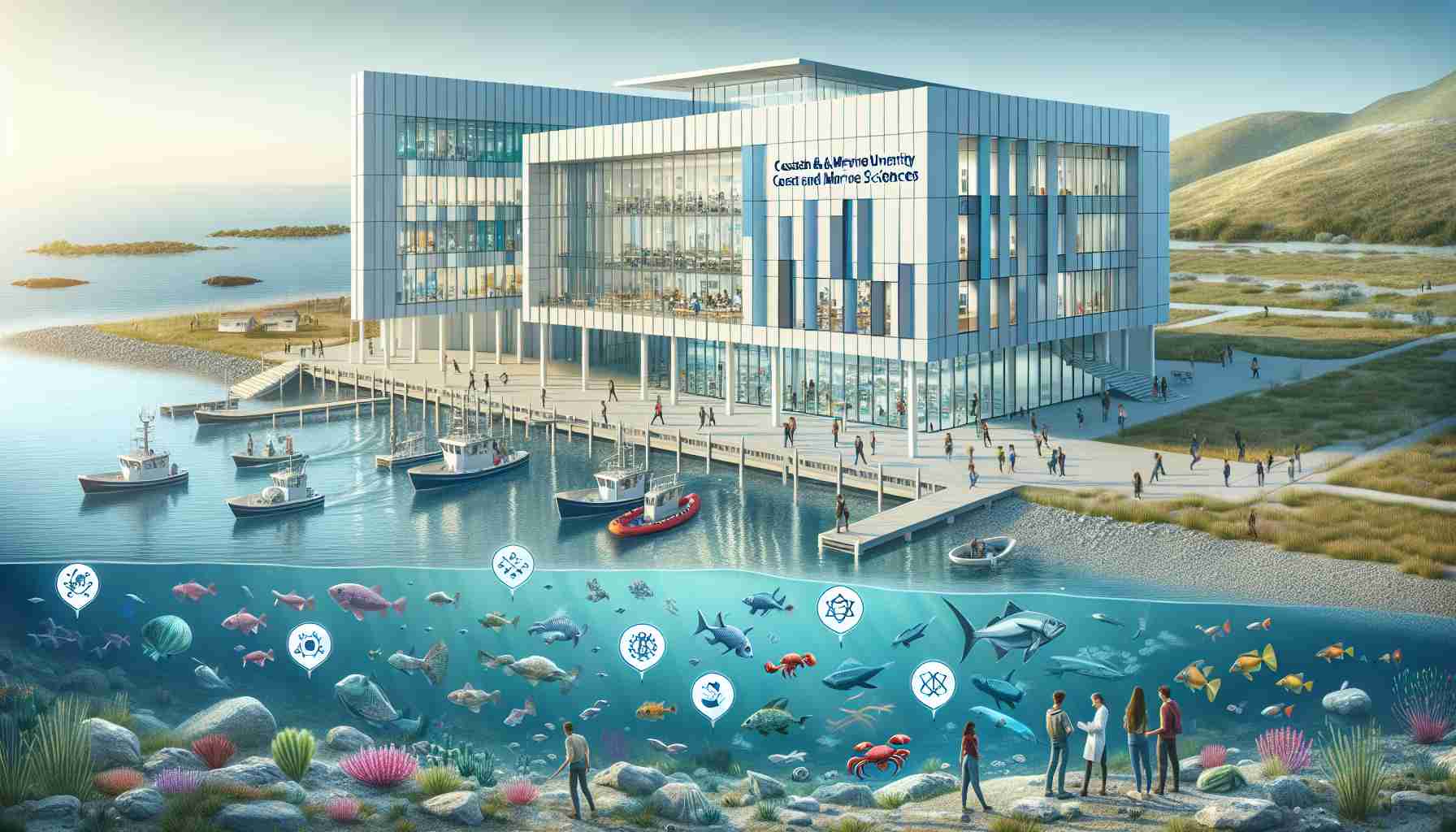
The $100 million donation from Jane Batten is poised to reshape marine and coastal sciences education at William & Mary. This funding will facilitate the transformation of the existing marine science program into the Batten School of Coastal & Marine Sciences, enhancing its research capabilities in critical areas such as rising sea levels, increased storm intensity, and water quality deterioration—issues that are particularly pressing for Virginia.
Virginia’s tidal waters, including wetlands, marshes, and marine environments, are experiencing the highest rates of sea-level rise on the East Coast, approximately 0.2 inches per year. The restructured school will collaborate with other national marine science programs while focusing specifically on the impacts of climate change on coastal communities. Located along the York River in Gloucester Point, Virginia, the Batten School will be uniquely positioned to address challenges that other regions may struggle to tackle.
Currently, the school offers associate, master’s, and two research degrees in marine ecosystems and their influencing factors. The William & Mary Board of Visitors approved the creation of an undergraduate marine science degree in May, pending approval from the Virginia State Council of Higher Education. Derek Aday, the dean of the Batten School and director of VIMS, stated that the school has geographical, professional, and historical advantages that enable it to address significant challenges that other institutions may not be equipped to handle.
The funding will also be allocated to improve VIMS’s infrastructure, including the construction of an outreach and education center, a new Chesapeake Bay Hall, and a seawater laboratory. Additionally, the funds will be used to attract scientists, researchers, and students, create new positions, and establish public-private partnerships. These improvements will align with the university’s “Vision 2026” water resources initiative, which aims to strengthen the focus on coastal sciences and ensure that the institution remains at the forefront of educational leadership in addressing future challenges posed by global change.
The Role of William & Mary University in Addressing Global Environmental Challenges
The establishment of the Batten School of Coastal & Marine Sciences at William & Mary represents a significant step forward in the university’s role in addressing global environmental challenges. The $100 million donation from Jane Batten is not only the largest in the university’s history but also the largest among similar institutions in the United States. The Batten family has a long-standing history of support for William & Mary and other Virginia institutions, actively engaging in environmental protection efforts.
Katherine Rowe, the university president, highlighted William & Mary’s unique advantages in tackling global change. The new school will promote the development of “science for solutions,” a concept that emphasizes the application of scientific research to real-world problems. Jane Batten expressed her belief that this donation will foster resilience in coastal communities and bring about significant changes for future generations.
The Batten School plans to raise an additional $100 million to support its establishment and development. This ambitious goal underscores the university’s commitment to expanding its impact in marine and coastal sciences. The new school will offer undergraduate degrees in marine science and enhance collaborations with both public and private sectors, recruiting top interdisciplinary scientists to address the multifaceted challenges posed by climate change.
The Batten family’s legacy, particularly through Frank Batten, who co-founded the Weather Channel and was a prominent figure in the media industry, has left an indelible mark on the university. Their contributions have established multiple scholarships and research institutions, reinforcing the importance of philanthropy in higher education and environmental stewardship.
The Importance of Public-Private Partnerships in Marine Research
The establishment of the Batten School of Coastal & Marine Sciences at William & Mary highlights the critical role of public-private partnerships in advancing marine research. As noted by Dr. Joseph F. Greco in his article on the Red Sea crisis, effective collaboration between governmental entities and private organizations is essential for addressing complex maritime challenges.
The Red Sea, a vital global shipping route, has faced increasing tensions, particularly due to armed activities by Houthi rebels. Dr. Greco emphasizes that the success of the Atalanta operation, which began in 2008 to combat piracy off the coast of Somalia, serves as a model for enhancing maritime security through public-private partnerships. By improving intelligence sharing, logistical support, and best management practices, the Atalanta operation significantly reduced piracy risks.
In the context of the Batten School, fostering public-private partnerships will be crucial for enhancing marine research capabilities. The school aims to collaborate with various stakeholders, including government agencies, private companies, and non-profit organizations, to address pressing issues such as climate change, habitat restoration, and sustainable fisheries management.
The complexity of maritime challenges, particularly in regions like the Red Sea, necessitates a collaborative approach that transcends national boundaries. The lack of effective regional cooperation mechanisms and trust among nations complicates the establishment of robust logistical support networks. By leveraging the lessons learned from successful public-private partnerships, the Batten School can enhance its research initiatives and contribute to the development of effective solutions for coastal and marine challenges.
Development of New Academic Programs in Response to Climate Change
The establishment of the Batten School of Coastal & Marine Sciences at William & Mary is a timely response to the urgent need for new academic programs focused on climate change. As NASA has demonstrated through its leadership in climate change research and Earth sciences, understanding the complexities of climate change requires a multidisciplinary approach that encompasses scientific, economic, social, political, and ethical dimensions.
Climate change is one of the most pressing issues facing humanity today, with carbon dioxide as a primary greenhouse gas persisting in the atmosphere for thousands of years. Even if all greenhouse gas emissions were halted today, global warming and climate change would continue to impact future generations. Addressing climate change necessitates a dual strategy: mitigation, which involves reducing greenhouse gas emissions, and adaptation, which entails adjusting lifestyles to cope with the impacts of climate change.
Governments and communities worldwide are actively responding to climate change by investing in flood protection infrastructure, planning for heatwaves, and improving water resource management. NASA’s Earth observation programs provide valuable scientific data that help global communities understand and respond to climate change. While NASA does not focus on energy technology development, it collaborates with various stakeholders to explore sustainable energy possibilities.
The Batten School’s commitment to developing new academic programs in marine and coastal sciences aligns with the broader need for educational institutions to prepare future leaders in climate change adaptation and mitigation. By offering innovative undergraduate and graduate degree programs, the school will cultivate a new generation of scientists and thought leaders equipped to tackle the challenges posed by climate change.
Conclusion
The historic $100 million donation from Jane Batten to the College of William & Mary marks a transformative moment for marine and coastal sciences education and research. The establishment of the Batten School of Coastal & Marine Sciences will not only enhance the university’s capabilities in addressing pressing global environmental challenges but also foster public-private partnerships that are essential for advancing marine research.
As the university embarks on this new chapter, it is poised to attract top talent, develop innovative academic programs, and collaborate with various stakeholders to create solutions for the complex issues posed by climate change. The Batten family’s legacy of philanthropy and commitment to environmental stewardship will continue to inspire future generations of scientists and leaders.
In summary, the Batten School represents a significant investment in the future of marine and coastal sciences, positioning William & Mary as a leader in addressing the urgent challenges of our time. Through this initiative, the university reaffirms its dedication to “science for solutions,” ensuring that it remains at the forefront of educational leadership in the face of global change.