
Introduction: The Importance of Diversity in Higher Education
Diversity in higher education has long been recognized as a cornerstone of an inclusive academic environment, fostering a rich tapestry of perspectives that enhances the educational experience for all students. The recent Supreme Court ruling on affirmative action has significantly altered the landscape of college admissions, compelling institutions to reassess their strategies for promoting diversity. This ruling, which effectively bans the consideration of race in admissions processes, has left many universities grappling with how to maintain their commitments to inclusivity while adhering to the new legal framework.
In response to these challenges, institutions like Yale University are taking proactive steps to ensure that they continue to attract a diverse student body. The recent expansion of Yale’s Multicultural Open House (MOH) is a prime example of such initiatives. This event, which welcomed over 900 visitors, including 50 prospective students through a new “fly-in” program, serves as a vital outreach effort aimed at introducing underrepresented students to the university’s academic opportunities and cultural resources. By providing campus tours, panel discussions, and opportunities to engage with staff and students from various cultural centers, Yale is not only showcasing its commitment to diversity but also creating pathways for prospective students who may otherwise feel disconnected from the college experience.
The significance of outreach programs cannot be overstated, especially in the wake of the Supreme Court’s decision. As universities navigate this new terrain, they are increasingly focusing on strategies that do not rely on race as a factor in admissions. This includes enhancing outreach efforts to underrepresented communities, as seen in Yale’s initiatives to engage with high school counselors and visit schools across the country. Such efforts are crucial in ensuring that talented students from diverse backgrounds are aware of the opportunities available to them and feel encouraged to apply.
Cultural centers also play a pivotal role in promoting inclusivity within universities. These centers provide safe spaces for students to connect with their cultural identities and foster a sense of belonging on campus. At Yale, for instance, the Afro-American Cultural Center and the Asian American Cultural Center are integral to the university’s commitment to diversity, offering resources and support to students from various backgrounds. The presence of these centers not only enriches the campus culture but also helps to create an environment where all students can thrive.
Events like the Multicultural Open House are essential in reinforcing the importance of diversity in higher education. They provide prospective students with firsthand experiences of campus life and the opportunity to interact with peers and mentors who share similar backgrounds. This sense of community is vital for fostering a feeling of belonging, which research has shown is closely linked to student retention and success. As institutions adapt to the new admissions landscape, the emphasis on creating inclusive environments through outreach programs and cultural centers will be critical in shaping the future of higher education.
The implications of these changes extend beyond individual institutions; they reflect a broader shift in the educational landscape. As universities strive to maintain diversity in the face of legal challenges, prospective students must navigate a more complex admissions process. The focus on socioeconomic factors and holistic review processes may offer new avenues for achieving diversity, but they also require a concerted effort from institutions to ensure that all students, regardless of their backgrounds, have equitable access to educational opportunities. The ongoing commitment to fostering an inclusive academic environment will be essential in overcoming the challenges posed by the Supreme Court’s ruling and ensuring that the promise of higher education remains accessible to all.
Yale’s Multicultural Open House: A Case Study in Outreach
Yale University’s Multicultural Open House (MOH) has evolved significantly since its inception in 1992, reflecting the institution’s ongoing commitment to diversity and inclusion. The recent event, held on October 5, 2024, attracted over 900 visitors, including 50 prospective students who participated through a newly established “fly-in” program. This expansion of the MOH is particularly noteworthy in the context of the Supreme Court’s June 2023 ruling on race consideration in college admissions, which has prompted universities nationwide to reassess their outreach and recruitment strategies.
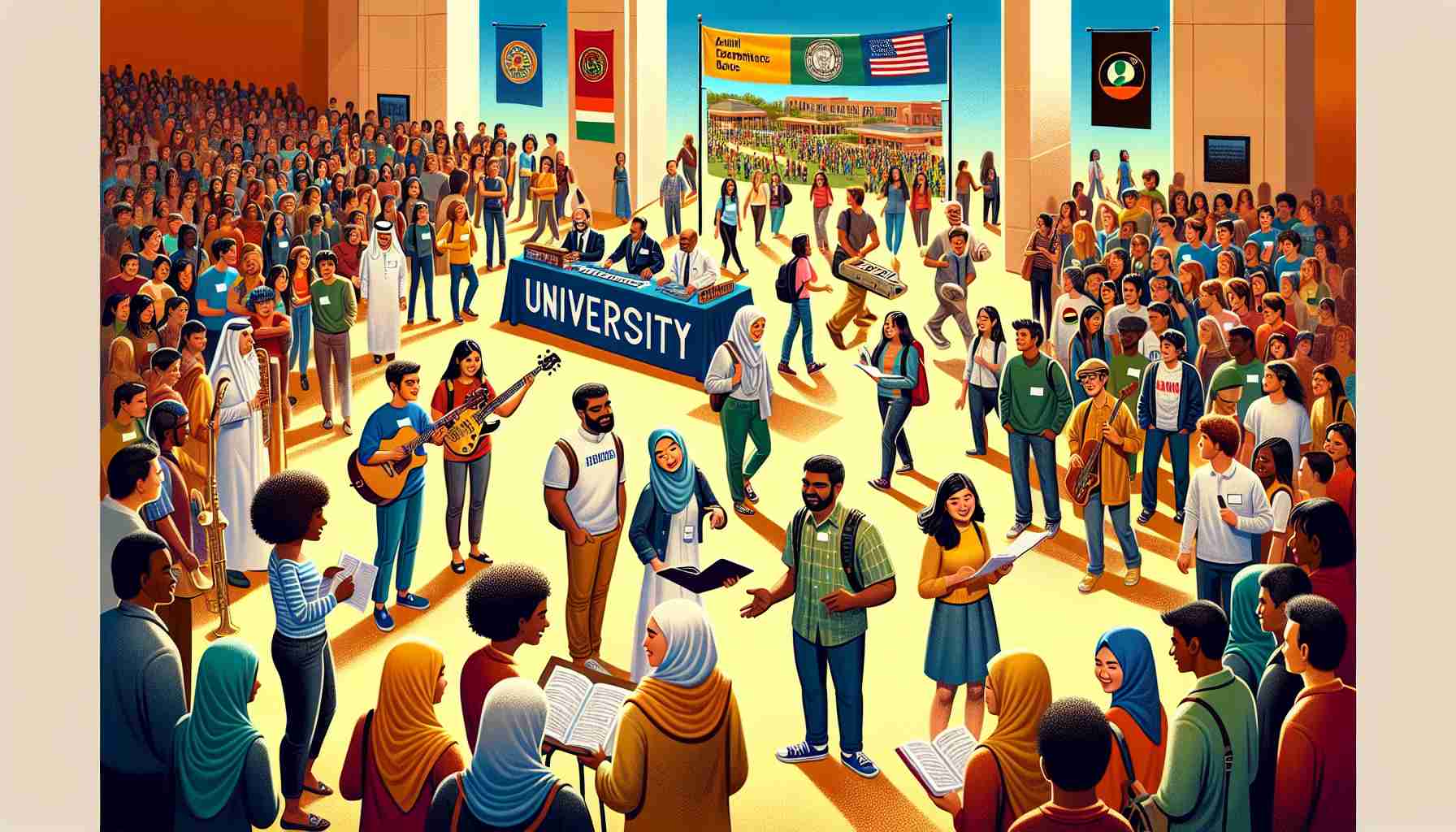
The MOH serves as a vital platform for introducing prospective students to Yale’s academic offerings, residential colleges, and cultural centers. The day’s activities included campus tours, panel discussions, and student performances, all designed to provide a comprehensive view of life at Yale. Visitors had the opportunity to engage with staff and students at various cultural centers, such as the Afro-American Cultural Center and the Asian American Cultural Center, which play crucial roles in fostering an inclusive environment on campus.
The significance of the “fly-in” program cannot be overstated. By offering travel support to students from diverse backgrounds, Yale aims to eliminate financial barriers that might prevent talented individuals from attending the MOH. This initiative is particularly important for students from historically underrepresented communities, as it allows them to experience the campus firsthand and connect with current students and faculty. Many of the participants in this program reported that it was their first experience on a college campus, underscoring the importance of such outreach efforts in shaping their perceptions of higher education.
Counselors from community-based organizations also played a pivotal role in the MOH, participating in the “Counselor MOHvernight” program. This initiative invited 20 counselors to engage with the admissions process and financial aid resources, equipping them with the knowledge to better support their students. By involving these counselors, Yale not only broadens its outreach but also strengthens the network of support for prospective students, ensuring that they have access to the information and resources necessary to navigate the college admissions landscape.
The impact of the MOH on prospective students is profound. It provides a unique opportunity for them to envision themselves at Yale, fostering a sense of belonging that is critical for student retention. Research has shown that feelings of acceptance and connection significantly influence whether students complete their degrees. By creating an environment where diverse students can see themselves represented and supported, Yale is taking proactive steps to address the challenges posed by the Supreme Court’s ruling.
In light of the recent legal landscape, Yale’s expanded MOH aligns with its broader initiatives to enhance diversity and inclusion. The university has committed to hiring new staff for partnership programming and student outreach, as well as developing programs that support travel and overnight stays for prospective students. These efforts reflect a strategic response to the challenges posed by the Supreme Court’s decision, which has led many institutions to reevaluate their admissions policies and diversity initiatives.
The MOH exemplifies Yale’s dedication to fostering a diverse academic community. By actively engaging with prospective students from various backgrounds and providing them with the resources and support they need, Yale is not only enhancing its recruitment efforts but also reinforcing its commitment to inclusivity. As the university navigates the complexities of the current admissions landscape, initiatives like the MOH will be crucial in ensuring that it continues to attract talented students from all walks of life.
The Impact of the Supreme Court Ruling on College Admissions
The Supreme Court’s June 2023 ruling in the case of Students for Fair Admissions (SFFA) v. Harvard and the University of North Carolina has fundamentally altered the landscape of college admissions in the United States. By declaring the consideration of race in admissions unconstitutional, the Court has compelled universities to reassess their approaches to diversity and inclusion. This ruling has not only dismantled decades of affirmative action policies but has also ignited a complex dialogue about how institutions can maintain diversity without explicitly considering race.
In the immediate aftermath of the ruling, many universities reported mixed results regarding the diversity of their incoming classes. Some institutions, particularly those with robust outreach programs and a commitment to socioeconomic factors, have managed to sustain or even increase diversity among their student bodies. For instance, Historically Black Colleges and Universities (HBCUs) have seen a surge in applications, suggesting that the ruling may have inadvertently redirected interest toward these institutions. Conversely, other universities have experienced declines in racial diversity, particularly among Black and Latino students, raising concerns about the long-term implications of the ruling on equitable access to higher education.
As universities navigate this new legal terrain, they face significant challenges. The SFFA has threatened legal action against institutions that it perceives as defying the Supreme Court’s decision, creating a climate of uncertainty. This has prompted many colleges to reevaluate not only their admissions policies but also their broader diversity, equity, and inclusion (DEI) initiatives. Institutions are now exploring alternative strategies to promote diversity without relying on race-based considerations. These strategies include focusing on socioeconomic status, implementing holistic review processes, and enhancing outreach efforts to underrepresented communities.
For example, Yale University has responded to the ruling by expanding its Multicultural Open House, which aims to attract talented students from diverse backgrounds. The event, which welcomed over 900 visitors, included programs designed to support prospective students from historically underrepresented groups. Yale’s initiatives reflect a broader trend among universities to enhance outreach and engagement with diverse populations, emphasizing the importance of creating inclusive environments that foster a sense of belonging.
Moreover, the ruling has sparked discussions about the role of cultural centers and DEI offices within universities. Some institutions are restructuring these centers to align with the new legal framework, while others are integrating their services into broader student success initiatives. This shift raises questions about the effectiveness of such measures in promoting inclusivity and whether they can adequately address the unique needs of marginalized student populations.
The ongoing debates surrounding affirmative action and diversity in higher education are further complicated by the historical context of racial discrimination and the systemic barriers that many students of color continue to face. Critics of the ruling argue that alternatives to race-based admissions, such as socioeconomic metrics, fail to capture the full scope of challenges that affirmative action sought to address. This perspective highlights the inadequacy of a race-blind approach in achieving meaningful diversity and equity in higher education.
As universities adapt to the Supreme Court’s decision, the commitment to fostering inclusive environments remains a priority. Institutions are urged to continue advocating for policies that address systemic barriers and promote equitable access to education. The landscape of college admissions is undoubtedly shifting, and the implications of this ruling will be felt for years to come as universities strive to balance legal compliance with their missions of inclusivity and diversity.
The Role of Cultural Centers and Outreach Programs
Cultural centers and outreach programs play a pivotal role in fostering inclusivity and supporting underrepresented students in higher education. As universities navigate the complexities of diversity, equity, and inclusion (DEI) initiatives, particularly in the wake of the Supreme Court’s June 2023 ruling on race consideration in admissions, these centers have become essential in creating supportive environments for students from diverse backgrounds.
The University of Wisconsin-Milwaukee (2025 USNews Ranking: 315) (UWM) exemplifies how cultural centers can enhance community empowerment and inclusivity. UWM hosts several multicultural student centers, each tailored to meet the unique needs of various student populations. For instance, the American Indian Student Center provides resources related to academics and internships, while the Black Student Cultural Center focuses on the holistic growth of students of African descent. These centers not only offer academic support but also foster a sense of belonging and community among students, which is crucial for their retention and success.
Similarly, the University of Tennessee Health Science Center (UTHSC) has implemented outreach programs like the Learning and Engagement for Aspiring Physicians (LEAP) program. This initiative targets underrepresented students interested in pursuing medical careers, providing them with hands-on experiences and mentorship opportunities. By engaging with local schools and offering resources tailored to the needs of these students, UTHSC aims to inspire the next generation of healthcare professionals. Such outreach efforts are vital in breaking down barriers and ensuring that students from diverse backgrounds have access to the resources and support necessary to succeed in higher education.
The importance of community engagement and partnerships cannot be overstated in this context. Universities that actively collaborate with local organizations and schools can create pathways for underrepresented students to access higher education. For example, Yale University’s expanded Multicultural Open House (MOH) attracted over 900 visitors, including prospective students from diverse backgrounds, through initiatives like the “fly-in” program. This program not only alleviates financial barriers for students traveling from afar but also provides them with a firsthand experience of campus life and academic opportunities. Such initiatives are crucial in fostering a sense of belonging and encouraging students to envision themselves in higher education.
However, recent legislative changes regarding DEI initiatives pose challenges for cultural centers and outreach programs. In Utah, for instance, the implementation of the Equal Opportunity Initiatives law has led to the restructuring of cultural centers at public universities. While the law aims to create inclusive environments, it has resulted in the temporary closure of several centers, raising concerns about the potential marginalization of specific groups. As universities adapt to these changes, it is essential to ensure that the needs of underrepresented students are still met and that they continue to have access to the support systems that foster their success.
In light of these challenges, universities must remain committed to enhancing diversity and inclusivity through innovative strategies. This includes reevaluating admissions policies, focusing on socioeconomic factors, and implementing holistic review processes that consider the unique experiences of applicants. By prioritizing outreach and community engagement, institutions can create a more equitable landscape for all students, ensuring that the promise of higher education is accessible to those who have historically been excluded.
As universities continue to navigate the evolving landscape of higher education, the role of cultural centers and outreach programs will be critical in promoting inclusivity and supporting underrepresented students. By fostering a sense of belonging and providing essential resources, these initiatives can help bridge the gap for students facing systemic barriers, ultimately enriching the academic community as a whole.
Conclusion: The Future of Diversity in Higher Education
The recent developments in higher education, particularly in light of the Supreme Court’s ruling on race consideration in admissions, underscore the ongoing challenges and opportunities for promoting diversity within U.S. universities. Yale University’s expanded Multicultural Open House serves as a proactive response to these challenges, demonstrating a commitment to inclusivity by attracting over 900 visitors, including underrepresented prospective students. This initiative reflects a broader trend among institutions to adapt their outreach strategies in the wake of legal changes, emphasizing the importance of creating supportive environments for diverse student populations.
However, the landscape remains complex. The Supreme Court’s decision has prompted many universities to reevaluate their admissions policies, leading to mixed results in maintaining racial diversity. While some institutions have reported declines in the enrollment of Black and Latino students, others have found innovative ways to enhance diversity through socioeconomic factors and holistic review processes. This highlights the necessity for universities to not only comply with legal frameworks but also to actively seek out and implement strategies that promote equity and inclusion.
As universities navigate these changes, the role of cultural centers and outreach programs becomes increasingly vital. These initiatives not only provide resources and support for underrepresented students but also foster a sense of belonging that is crucial for retention and success. The collective effort among educational institutions, policymakers, and communities is essential to ensure that diversity remains a priority in shaping the future of higher education. Continued advocacy for inclusive practices will be key in addressing systemic barriers and creating equitable opportunities for all students.
Reference:
Yale’s Expanded Multicultural Open House Welcomes Over 900 Visitors
Post-SFFA v. Harvard & UNC Decision Resources: Admissions and Beyond
Implications for Private Employers Following the Supreme Court’s Harvard Decision on Affirmative Action
A Policy Roadmap That Steers Students of Color to Success, From Pre-K Through College
Strategies for Enhancing Equity, Diversity, and Inclusion in Dental School Admissions
University of Wisconsin-Milwaukee Enhances Community Empowerment and Inclusivity Programs
Utah’s Public Universities Restructure Cultural Centers Amid DEI Legislation
UTHSC Hosts Third Annual LEAP Program for Aspiring Physicians
Supreme Court’s Ban on Affirmative Action Challenges College Diversity Efforts
Strategies to Help Teens Feel a Sense of Belonging in College
Internationalisation of the Curriculum in Health Programs: Challenges and Opportunities