
Introduction: LehighSiliconValley and the Power of Experiential Learning
Okay, buckle up, folks! The editor is here to give you the lowdown on something seriously cool happening at Lehigh University (2025 USNews Ranking: 46) . We’re talking about LehighSiliconValley, or LSV as the cool kids call it. Now, I know what you might be thinking: “Silicon Valley? Sounds intimidating!” But trust me, this program is all about breaking down those barriers and giving students a real-world taste of the innovation hub.
Think of LSV as a bridge, connecting bright-eyed Lehigh students with the movers and shakers of Silicon Valley. We’re talking founders, investors, CEOs – the whole shebang! It’s not just a lecture series; it’s an immersive experience designed to spark ideas and forge connections that can last a lifetime. And let me tell you, the editor is a huge advocate for real-world experience! You can read all the textbooks you want, but nothing beats learning from people who are actually doing it.
The program itself is structured around this idea of “appreciations and realizations.” Basically, at the end of each session, students share what they appreciated about the speaker and what they realized or learned from the conversation. It’s a great way to encourage reflection and make sure everyone’s actively engaging with the material. Plus, it reinforces the idea that success isn’t just about climbing the ladder yourself; it’s about helping others along the way.
LSV also uses a “flipped classroom” model. Before the trip to San Francisco, students participate in virtual sessions to get a head start on the material and prepare for the week ahead. This way, when they actually meet with industry leaders, they’re ready to ask thoughtful questions and dive deep into the topics that matter most. It’s all part of Lehigh’s commitment to what they call “transformational education,” which, through initiatives like Lehigh360, focuses on high-impact learning opportunities. Basically, Lehigh wants its students to get out there and do things, not just sit in a classroom all day. And as a master’s graduate, the editor definitely thinks that is a great way to improve our education system! So, with that stage set, let’s get into the nitty-gritty of the golden insights students are getting from this amazing program!
Unlocking ‘Golden Insights’: The Value of Networking and Mentorship in Silicon Valley
Alright, let’s dive into the real treasure trove of LSV: the “golden insights.” Forget Googling generic advice; we’re talking about the kind of wisdom you can only glean from face-to-face conversations with seasoned pros who’ve been in the trenches. It’s like having a cheat code for the startup world, except instead of cheating, you’re learning directly from the source!
One of the recurring themes I’ve noticed – and something that really resonates with this editor’s own experiences – is the emphasis on entrepreneurial action. It’s not enough to just have a brilliant idea; you’ve got to actually do something with it. Marc Tarpenning, the co-founder of Tesla, hammered this point home, inspiring students like Forum Patel to stop overthinking and start acting on their ideas. It’s all about that initial spark, that moment where you say, “Hey, I can actually make this happen.” And trust me, that’s a powerful feeling.
And speaking of making things happen, LSV also stresses the importance of team dynamics. Tom Gillis from Cisco articulated this perfectly: “Great people make great products, and great products make great companies.” It’s a simple equation, but it’s so true. You can have the most innovative technology in the world, but if your team is dysfunctional, your company is going nowhere fast. LSV isn’t just about individual brilliance; it’s about fostering collaboration and building cohesive teams that can tackle any challenge. This editor can’t emphasize this enough – the success of a startup hinges on the team!
Now, let’s talk about networking. I know, I know, the word itself can make some people cringe. It conjures up images of awkward small talk and forced smiles. But networking, when done right, is so much more than just collecting business cards. It’s about building genuine connections with people who share your passions and can offer valuable insights and support.
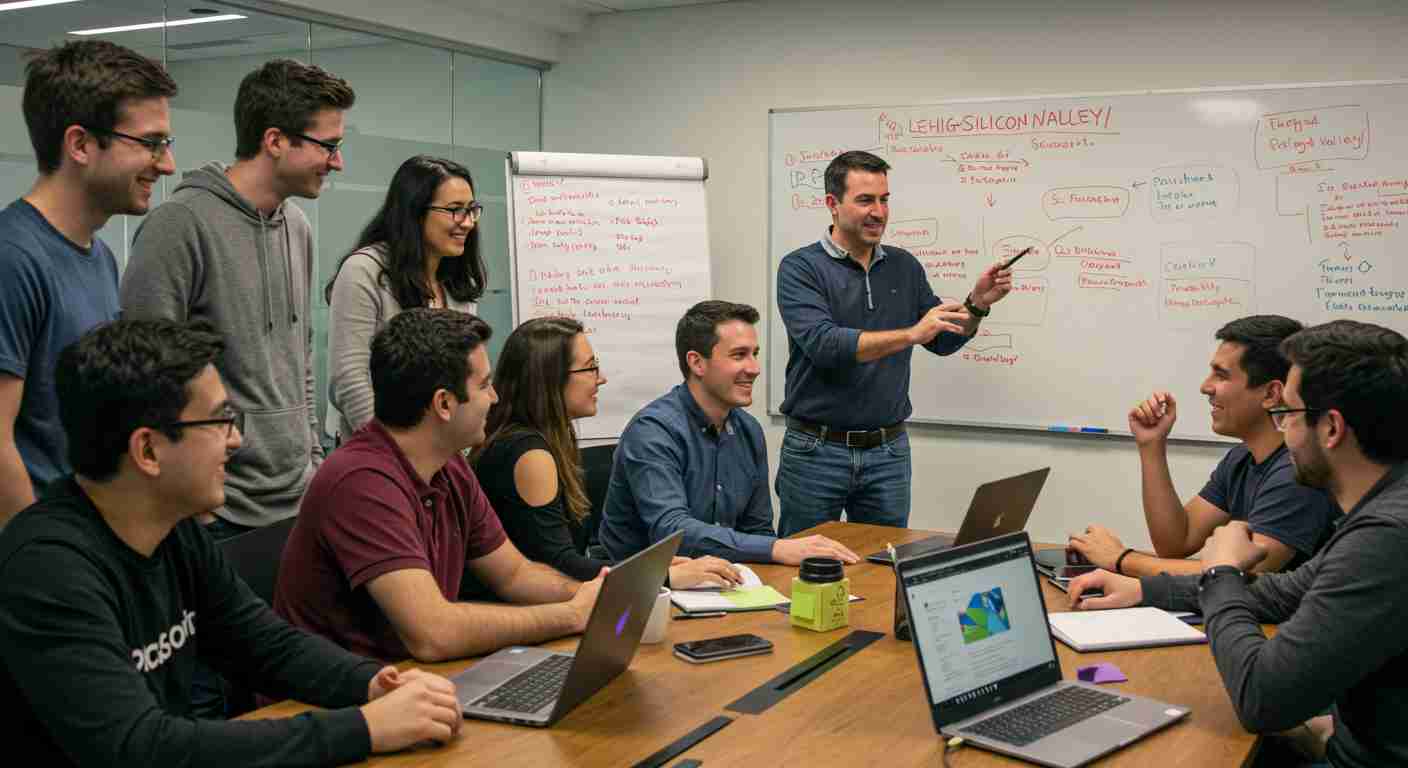
LSV brings in experts like Heidi Roizen from Threshold Ventures, who really drive this point home. Roizen argues that networking should be relational, not transactional. It’s not about what someone can do for you right now; it’s about building a long-term relationship based on mutual respect and trust. I personally love that she equates networking to making friends. It takes the pressure off and helps you approach conversations with genuine curiosity.
So, how do you actually do this in the sometimes overwhelming environment of Silicon Valley? Well, Roizen suggests focusing on building relationships with “fellow travelers” – people who are on a similar journey or share your interests. Find your tribe, so to speak! Also, make yourself easy to find. Update your LinkedIn profile, be active on relevant social media platforms, and make sure your contact information is readily available. But here’s the key: be authentic. Don’t try to be someone you’re not. People can spot a fake a mile away, especially in Silicon Valley.
There’s a stark contrast between the theory of networking and the practice of it. In theory, it’s about strategically building a vast Rolodex of contacts. In practice, it’s about fostering genuine relationships that can lead to unexpected opportunities. The theory often emphasizes quantity, while the practice prioritizes quality. LSV seems to really focus on this practical aspect, which is invaluable.
And the practical benefits of making these connections are undeniable. Networking can open doors to internships, job opportunities, mentorship, and even funding for your own startup. But more importantly, it can provide you with a support system of people who understand the challenges and triumphs of the entrepreneurial journey. Having someone to bounce ideas off of, to vent to when things get tough, or to celebrate with when you achieve a milestone is priceless. As someone who’s navigated the academic and professional landscape in both China and the US, the editor knows that cultural nuances can play a big role in how networking is perceived and practiced. But at the end of the day, it’s about building bridges and finding common ground with people from all walks of life. And that’s a skill that will serve you well no matter where you go or what you do.
The Flipped Classroom Model: A Catalyst for Active Learning and Entrepreneurship
Now, let’s pivot to the flipped classroom model – the secret sauce that helps LSV deliver such a potent learning experience. It’s not just about passively absorbing information; it’s about actively engaging with it, questioning it, and applying it to real-world scenarios. And let me tell you, in today’s rapidly changing business landscape, that’s more crucial than ever.
The beauty of the flipped classroom is that it puts the student at the center of the learning process. Instead of sitting through lectures and taking notes, students are expected to come to class prepared, having already engaged with the core concepts through videos, readings, or online modules. This frees up class time for more interactive activities like discussions, debates, case studies, and group projects. It’s all about active learning, which, according to countless studies, leads to better retention and deeper understanding.
And because students are coming to class with a foundational understanding of the material, instructors can provide more personalized support, addressing individual questions and challenges in real-time. This is especially important in entrepreneurship education, where students often come from diverse academic backgrounds and have varying levels of prior knowledge. The flipped classroom allows instructors to tailor their approach to meet the specific needs of each student, fostering a more inclusive and effective learning environment.
But perhaps the biggest advantage of the flipped classroom is its ability to foster critical thinking skills. When students are actively engaged in problem-solving and decision-making, they’re forced to think critically about the information they’re presented with. They learn to analyze data, evaluate different perspectives, and come up with creative solutions to complex challenges. These are the very skills that entrepreneurs need to succeed in the real world.
Now, let’s talk about technology. We’re living in an age of unprecedented technological disruption, and business education is no exception. AI, in particular, is transforming the way we learn and work, and business schools are scrambling to adapt. As Shivaram Rajgopal, a professor at Columbia Business School, pointed out in a recent Forbes article, AI can potentially source a significant portion of MBA content, challenging the traditional role of professors as lecturers. The editor herself uses AI to better her work and improve efficiency and productivity.
But here’s the thing: technology isn’t a replacement for human interaction; it’s a tool that can be used to enhance the learning experience. The flipped classroom model, in particular, is well-suited to integrating digital tools and technologies. For example, instructors can use online platforms to deliver pre-class content, track student progress, and facilitate online discussions. They can also use AI-powered tools to personalize learning, provide feedback, and assess student understanding.
The key is to strike a balance between technology and human interaction. We need to leverage the power of digital tools to make learning more accessible, engaging, and personalized, but we also need to preserve the social and emotional aspects of the classroom experience. This is where the flipped classroom really shines. It allows instructors to create a dynamic learning environment where technology is used to support and enhance human interaction, not replace it.
As students are increasingly absorbing and processing information differently, business education must adapt to this new paradigm. Outside-of-classroom applications and tools are becoming increasingly important. From online collaboration platforms to virtual reality simulations, there’s a wealth of resources available to enhance the learning experience. LSV, with its flipped classroom model and emphasis on experiential learning, is at the forefront of this trend. By embracing technology and fostering a culture of active learning, LSV is preparing students not just for the jobs of today, but for the challenges and opportunities of tomorrow.
Building Authentic Connections: The Human Element in Startup Success
But let’s not get so caught up in the digital world that we forget about the human element! In the whirlwind of startup culture, fueled by caffeine and code, it’s easy to lose sight of the importance of genuine human connection. After all, startups are built by people, for people. And as technology continues to permeate every aspect of our lives, it becomes even more critical to cultivate empathy, build trust, and foster meaningful relationships.
I think the key here is remembering that technology is a tool, not a replacement for human interaction. We can use digital platforms to connect with people across the globe, but we shouldn’t let them become a substitute for face-to-face conversations, shared experiences, and genuine emotional connection. That feeling of being in the trenches with your team when you’re working around the clock to meet a deadline? You can’t replicate that over Slack.
So, how do leaders foster this kind of human connection within their organizations? Well, it starts with creating a culture of trust, transparency, and collaboration. Leaders need to be open and honest with their teams, sharing both successes and failures. They need to create opportunities for employees to connect on a personal level, whether it’s through team-building activities, social events, or even just informal coffee breaks.
And perhaps most importantly, leaders need to be empathetic. They need to understand the challenges and pressures that their employees are facing and create a supportive environment where people feel comfortable taking risks, making mistakes, and asking for help. It sounds obvious, right? But you’d be surprised how often this gets overlooked in the cutthroat world of startups.
Speaking of connection, let’s talk about the magic of storytelling. Storytelling is an incredibly powerful tool for building brand loyalty, engaging customers, and inspiring action. Think about it: we’re wired to connect with stories. They’re how we make sense of the world, how we learn from each other, and how we pass on our values and beliefs. This editor thinks it is important to see your brand as more than just a service or a product. It should be something customers can relate to on a personal level.
By crafting compelling narratives that resonate with their target audience, companies can build a deeper emotional connection with their customers and create a sense of shared identity. Dieux Skin, for example, successfully leveraged authentic storytelling on TikTok to differentiate itself in a crowded market. Their success wasn’t just about selling skincare products; it was about sharing their values, building a community, and creating a brand that people could trust.
And storytelling isn’t just for marketing; it’s also a crucial leadership skill. As Jenna Guarneri from JMG Public Relations points out, leaders can use storytelling to communicate their vision, inspire their teams, and build trust with stakeholders. By sharing their own personal stories, including both triumphs and failures, leaders can become more relatable and create a culture of open communication and mutual respect. It’s all about showing your team that you’re human, too.
Conclusion: Shaping Future Leaders Through Experiential Education
So, what’s the bottom line, folks? Experiential education, exemplified by programs like LehighSiliconValley, is a game-changer. It’s not just about memorizing facts and figures; it’s about immersing yourself in the real world, connecting with industry leaders, and developing the skills and mindset you need to thrive in today’s dynamic business landscape.
We’ve seen how networking and mentorship can unlock “golden insights” that you simply can’t find in a textbook. We’ve explored the power of the flipped classroom model to foster active learning and critical thinking. And we’ve emphasized the importance of building authentic connections and fostering a human-centered approach to leadership and innovation. It’s about creating a well-rounded individual, not just an employee or entrepreneur.
As we look ahead, it’s clear that universities need to continue to innovate and adapt their educational models to meet the changing needs of society and the workforce. We need to move beyond traditional lecture-based learning and embrace more experiential, hands-on approaches that prepare students for the challenges and opportunities of the 21st century. And as technology continues to evolve, universities need to find new and creative ways to leverage digital tools to enhance the learning experience and foster a culture of innovation. The opportunities for innovation in education are endless.
Ultimately, the goal is to shape future leaders who are not only technically skilled but also empathetic, adaptable, and resilient. We need leaders who can build strong teams, foster collaboration, and create innovative solutions to the world’s most pressing problems. And that requires an education that goes beyond the classroom and embraces the power of real-world experience. Let’s equip these students with the proper tools and skills to take on tomorrow’s challenges. As the editor always says, “The future is in our hands, let’s make it a good one!”
Reference:
- Golden Insights You Can’t Find on Google
- Lehigh University Joins the Coalition for Transformational Education Through Its Lehigh360 Initiative
- Tried-and-True Networking Tips from Decades of Experience
- How Will AI Change The Teaching Model In Business Schools?
- Storytelling In Leadership: Five Ways CEOs Can Use PR
- How to Create a Startup Marketing Strategy (2024)