
Introduction: The Growing Importance of Sustainability Careers
The concept of sustainability has surged to the forefront of the global job market, reshaping how we view careers and the skills required to thrive in them. As climate change and environmental degradation become increasingly urgent issues, the demand for green careers has skyrocketed, making sustainability not just a trend but a necessity. Universities, employers, and students alike are recognizing this critical shift, leading to a more robust focus on sustainability in education and employment opportunities.
Take the recent networking event at the University of Connecticut (2025 USNews Ranking: 70) (UConn), titled “Green Careers: Engage and Explore.” This event exemplifies the growing intersection of education and sustainability, connecting students with potential employers in the field. Organized by UConn’s Office of Sustainability in collaboration with the Center for Career Readiness and Life Skills, the event showcased a diverse array of industry leaders and alumni who are passionate about green careers. Betsy Mortensen, the communication, outreach, and education coordinator for the Office of Sustainability, hit the nail on the head when she stated, “Sustainability is here to stay, globally.” This sentiment reflects a broader acknowledgment that sustainability is not merely an academic concept; it’s a vital component of the future workforce.
Students at UConn had the opportunity to engage with representatives from various organizations, from Eversource to Bartlett Tree Experts, and even student-run groups like Ecohusky and the Beekeeping Club. This kind of exposure is invaluable, providing students with insights into the diverse career paths available within sustainability. Intern Andy Zhang noted the unique blend of perspectives shared at the event, emphasizing how these networking opportunities can help students envision their futures in this growing field.
As we move forward, it’s crucial to understand why sustainability has become such a focal point in the job market. The United Nations Sustainable Development Goals (SDGs) highlight the necessity for a workforce that is not only skilled but also adaptable to the evolving demands of a green economy. Education for Sustainable Development (ESD) is at the heart of this transformation, equipping learners with the knowledge and skills to tackle complex sustainability challenges. With the global economy increasingly leaning towards greener practices, universities are stepping up to ensure that their curricula reflect this shift.
Moreover, sustainability education is not limited to environmental science majors; it spans across disciplines, fostering interdisciplinary learning that is essential for addressing interconnected sustainability issues. For instance, professionals in renewable energy must possess not only technical skills but also a contextual understanding of the social and environmental implications of their work. This is where events like UConn’s come into play, bridging the gap between academic learning and real-world application.
The UConn networking event is just one example of how universities are fostering connections between students and industry leaders. Initiatives like the HBCU Clean Energy Education Prize and Constellation’s Energy to Educate program further illustrate the growing commitment to preparing students for careers in sustainability. These programs not only provide financial support for innovative educational projects but also create platforms for students to engage with clean energy initiatives, ultimately paving the way for a skilled workforce ready to tackle the challenges of tomorrow.
As we delve deeper into the world of sustainability careers, it’s essential to explore effective networking strategies that can help students navigate this evolving landscape. The opportunities are vast, and with the right connections and resources, students can position themselves to make a meaningful impact in the green sector.
Networking Strategies for Students in Green Industries
Networking is an essential skill for students looking to break into the sustainability sector. It’s not just about who you know; it’s about building genuine relationships that can open doors to internships, job opportunities, and collaborative projects. The UConn networking event serves as a prime example of how these connections can flourish. Students were not just passive attendees; they were active participants, engaging with industry leaders and alumni, soaking up valuable insights, and asking the questions that matter to their future careers.
To maximize these opportunities, students should consider attending more networking events, both on and off-campus. Universities often host career fairs, guest lectures, and workshops that can be invaluable for making connections. These gatherings allow students to meet potential employers face-to-face, learn about job openings, and showcase their enthusiasm. The key is to approach these events with a proactive mindset—come prepared with questions, a polished elevator pitch, and a few copies of your resume. Remember, first impressions matter!
Another effective strategy is to leverage mentorship programs. These programs can pair students with experienced professionals who can provide guidance, share industry insights, and help navigate the often-complex landscape of sustainability careers. For instance, at UConn, the Office of Sustainability has established mentorship connections that have proven beneficial for students. A mentor can offer personalized advice, help refine your career goals, and even introduce you to their networks.
But networking isn’t limited to formal events or structured programs. Students should also tap into their existing circles—friends, family, professors, and classmates can all be valuable resources. Engaging in conversations about sustainability topics can lead to unexpected opportunities. For example, discussing your interests in a casual setting might reveal that a friend’s parent works in renewable energy or that a professor has connections in the nonprofit sector. These informal interactions can often lead to more substantial networking opportunities.
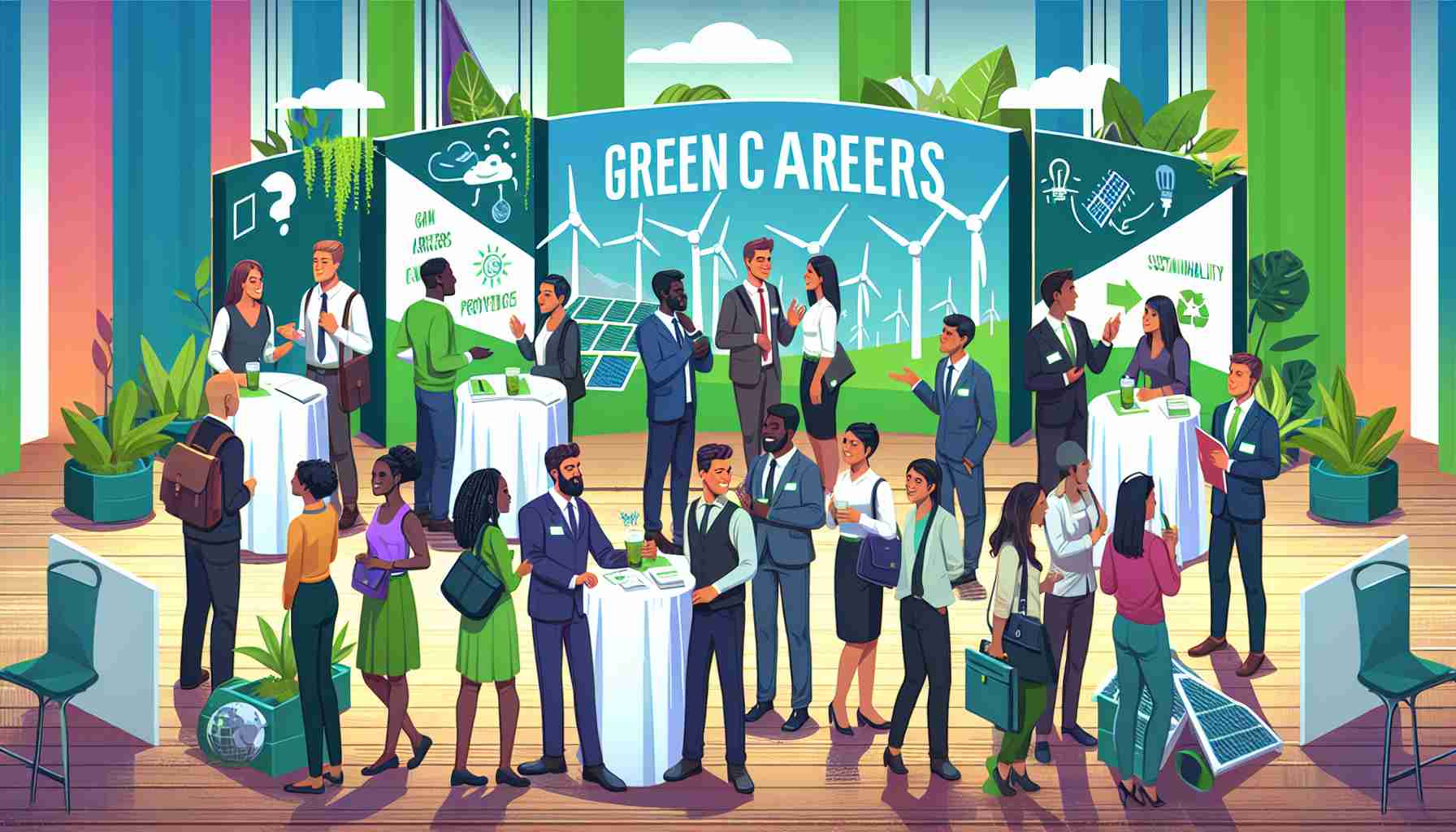
Collaboration is another critical aspect of building a professional network in the green industry. Working on group projects, joining sustainability-focused clubs, or volunteering for community initiatives can help students gain practical experience while also expanding their network. At UConn, student-led groups like Ecohusky and the Beekeeping Club not only educate their members about sustainability but also connect them with local organizations and businesses. These collaborations can provide students with hands-on experience and a chance to apply their learning in real-world settings, making them more attractive candidates to future employers.
Let’s not forget about online networking! In today’s digital age, platforms like LinkedIn have become essential for building and maintaining professional networks. Students should create a compelling LinkedIn profile that highlights their skills, experiences, and interests in sustainability. Engaging with relevant content, joining groups focused on green initiatives, and reaching out to professionals in the field can significantly enhance visibility and open up new opportunities. It’s all about being active and present in online communities that align with your career aspirations.
Programs like the HBCU Clean Energy Education Prize and Constellation’s Energy to Educate initiative exemplify how organizations are investing in the next generation of sustainability leaders. These programs not only provide funding for innovative projects but also foster connections between students and industry professionals. For students, participating in such initiatives can be a game-changer. It’s a chance to showcase your ideas, gain feedback from experts, and potentially secure funding or resources to bring your projects to life.
Lastly, students should remember that networking is a two-way street. While it’s essential to seek guidance and opportunities, it’s equally important to offer value in return. This could mean sharing insights from your studies, volunteering your time for a project, or simply expressing gratitude for the support you receive. Building a network is about creating mutually beneficial relationships that can grow over time.
In conclusion, effective networking strategies can significantly enhance a student’s career prospects in the sustainability sector. By actively participating in events, seeking mentorship, collaborating with peers, leveraging online platforms, and engaging with innovative programs, students can position themselves as valuable contributors to the green economy. The future is bright for those who are willing to put in the effort to connect, learn, and grow within this dynamic field. With sustainability at the forefront of global priorities, the opportunities are boundless—it’s up to the next generation of leaders to seize them!
Innovative Educational Programs and Their Impact on Career Readiness
As we shift our focus toward the innovative educational programs that are shaping the future of sustainability careers, it’s essential to recognize the pivotal role universities play in integrating sustainability into their curricula. Institutions are not merely centers of learning; they are incubators for the next generation of environmental stewards, equipped with the knowledge and skills needed to tackle the pressing challenges of our time. The integration of sustainability into higher education is more than a trend; it’s a transformative approach that aligns with the global movement towards Education for Sustainable Development (ESD).
Take, for instance, the American University in the Emirates (AUE), which serves as a stellar example of how universities can embed sustainability into their academic frameworks. AUE has developed innovative programs that not only align with national sustainability goals but also resonate with global initiatives like the United Nations Sustainable Development Goals (SDGs). Their Expo Live University Innovation Programme is a testament to this commitment, as it encourages students to engage creatively with sustainability challenges while fostering a culture of innovation. By linking academic pursuits with real-world applications, AUE is preparing students to become leaders in the green economy.
Similarly, the National Renewable Energy Laboratory (NREL) has taken significant strides in promoting clean energy education through initiatives like the Historically Black Colleges and Universities (HBCU) Clean Energy Education Prize. This program empowers HBCUs to develop and expand clean energy educational offerings targeting K-12 and community college students, thereby nurturing a diverse talent pool for the energy sector. The impact of such initiatives is profound, as they not only provide students with hands-on experience but also ignite interest in STEM fields among underrepresented populations. By cultivating a passion for clean energy at an early age, these programs set the stage for a more inclusive and skilled workforce.
Education for Sustainable Development (ESD) is a cornerstone of these initiatives, emphasizing the need for a curriculum that fosters critical thinking, problem-solving, and collaborative skills. ESD equips students with the tools to navigate the complexities of sustainability challenges and empowers them to make informed decisions that promote environmental stewardship. However, implementing these programs is not without its challenges. Institutions often face hurdles such as limited resources, lack of institutional support, and varying levels of awareness among faculty and students about sustainability initiatives.
Moreover, the need for interdisciplinary approaches cannot be overstated. The interconnectedness of sustainability issues means that professionals must possess a diverse skill set that transcends traditional academic boundaries. For example, a career in renewable energy requires not just technical expertise but also an understanding of economic, social, and environmental dynamics. Universities must therefore foster interdisciplinary learning environments that encourage collaboration across various fields of study. This is where programs like those at AUE and NREL shine, as they promote holistic approaches to education that prepare students for the multifaceted nature of sustainability careers.
Despite the promising advancements, the road to integrating sustainability into higher education is fraught with obstacles. Resistance from established industries, the need for updated curricula, and the challenge of engaging students in sustainability topics can hinder progress. For instance, many universities struggle to incorporate sustainability principles into their existing programs due to a lack of faculty training and institutional commitment. This gap in knowledge and resources can lead to missed opportunities for students to gain essential skills relevant to the green job market.
Furthermore, as the demand for sustainability-focused education grows, institutions must adapt their curricula to reflect the evolving needs of the workforce. This includes developing programs that align with emerging trends in sustainability, such as renewable energy technologies and sustainable business practices. By staying ahead of the curve, universities can ensure that their graduates are not only employable but also equipped to drive innovation in the sustainability sector.
The importance of collaboration between educational institutions, industries, and policymakers cannot be overstated. Universities must engage with local communities and businesses to create partnerships that enhance educational programs and provide students with practical experiences. Initiatives like the UConn networking event exemplify this collaborative spirit, as they connect students with industry leaders who can offer insights into the challenges and opportunities within the sustainability sector.
As we look to the future, it’s clear that the integration of sustainability into higher education is not just a necessity; it’s an opportunity to prepare a workforce that is capable of addressing the complex environmental challenges we face. By embracing innovative educational programs and fostering a culture of sustainability on campus, universities can empower students to become change-makers in their communities and beyond. The journey toward a sustainable future is not solely the responsibility of individuals; it requires a collective effort from all sectors of society. With universities at the forefront of this movement, we can look forward to a brighter, greener tomorrow.
Challenges and Opportunities in Sustainability Careers
Navigating the world of sustainability careers isn’t all sunshine and green pastures; it comes with its own set of challenges that aspiring professionals must be prepared to tackle. One of the most significant hurdles is the resistance from established industries that have long relied on traditional practices. These sectors often fear that embracing sustainability could threaten their existing profit models and market positions. As a result, they may be slow to adapt, creating a frustrating environment for new graduates eager to implement innovative, eco-friendly solutions.
In addition to industry resistance, the demand for interdisciplinary skills is another challenge that students face when entering the sustainability job market. The complexities of sustainability issues require professionals who can think critically across various domains—be it environmental science, economics, or social justice. For instance, someone working in renewable energy must not only understand the technical aspects of energy systems but also grasp the social and regulatory frameworks that govern them. This need for a diverse skill set can be daunting for students who may feel pressured to specialize too early in their careers, potentially limiting their future opportunities.
The evolving regulatory landscape poses yet another layer of complexity. As governments worldwide implement new sustainability regulations and standards, professionals must stay informed and adaptable. The need to navigate these regulations can be particularly challenging for recent graduates who may lack practical experience in dealing with compliance issues. However, this also presents an opportunity for students to engage with advocacy and policy-making, areas that are increasingly vital in driving sustainable practices across industries.
Despite the obstacles, the green sector is brimming with opportunities for growth and innovation. Emerging roles in renewable energy, sustainable business practices, and climate policy are on the rise, creating a demand for skilled professionals who can navigate this dynamic landscape. For instance, jobs in solar and wind energy are expected to grow significantly as countries invest in clean energy technologies. This shift not only offers lucrative career paths but also allows individuals to contribute meaningfully to combating climate change and promoting environmental stewardship.
Moreover, the increasing focus on corporate social responsibility (CSR) has led many businesses to seek sustainability experts who can help them align their operations with environmental goals. Companies are beginning to recognize that sustainable practices can lead to cost savings and enhanced brand reputation. This growing awareness opens doors for students who can articulate the business case for sustainability and demonstrate how eco-friendly initiatives can drive profitability.
Programs like the HBCU Clean Energy Education Prize and Constellation’s Energy to Educate initiative are paving the way for students to gain hands-on experience in sustainability projects. These initiatives not only provide funding but also create networks that can connect students with industry professionals, mentors, and potential employers. By participating in such programs, students can gain valuable insights, develop practical skills, and enhance their resumes, making them more competitive in the job market.
In addition, the rise of sustainability-focused startups presents another exciting avenue for career exploration. Entrepreneurs are increasingly launching businesses that prioritize sustainable practices, from eco-friendly products to innovative waste management solutions. This entrepreneurial spirit is creating a vibrant ecosystem where young professionals can thrive, bringing fresh ideas and energy to the sustainability movement.
As we look toward the future, it’s clear that while the path to a successful career in sustainability is fraught with challenges, it is also filled with immense potential. The need for skilled professionals who can bridge the gap between traditional practices and sustainable innovation has never been more pressing. By equipping themselves with the right skills, engaging in networking opportunities, and staying informed about industry trends, students can position themselves as leaders in the green economy.
Ultimately, the journey toward a sustainable future is a collective effort that requires collaboration between educational institutions, industries, and policymakers. As universities continue to prioritize sustainability in their curricula and foster connections between students and the professional world, the next generation of sustainability leaders will be well-prepared to tackle the challenges ahead. The opportunities are vast, and with determination and creativity, students can contribute to a greener, more sustainable planet.
The Role of Universities in Promoting Sustainable Development
Universities are stepping up as pivotal players in the quest for sustainability, acting as ‘living laboratories’ where innovative solutions to environmental challenges are not only conceived but also tested and implemented. This unique role allows them to foster a culture of environmental stewardship that extends beyond their campuses and into the communities they serve. With the urgency of climate change pressing down on us, the responsibility of educational institutions to lead the charge towards sustainability has never been more critical.
Research indicates that universities can significantly influence societal attitudes towards sustainability. By integrating sustainability principles across various disciplines, institutions can equip students with a holistic understanding of the environmental, social, and economic dimensions of sustainability. This interdisciplinary approach is vital, as it prepares graduates to tackle complex issues in a world that increasingly demands multifaceted solutions. For instance, a student studying renewable energy must grasp not only the technical aspects of energy systems but also the socio-economic implications of energy production and consumption. This breadth of knowledge is essential for driving meaningful change in the workforce.
Moreover, universities are uniquely positioned to engage in research that addresses real-world sustainability challenges. They serve as hubs for collaboration between academia, industry, and government, facilitating the exchange of ideas and resources. This collaborative spirit is exemplified by initiatives like the HBCU Clean Energy Education Prize, which empowers institutions to develop educational programs that nurture the next generation of clean energy leaders. By fostering partnerships with local businesses and organizations, universities can create practical learning experiences that prepare students for careers in sustainability while also benefiting their communities.
The concept of universities as ‘living laboratories’ is further highlighted by their commitment to implementing sustainable practices on campus. Many institutions are taking significant strides to reduce their carbon footprints, enhance energy efficiency, and promote waste reduction. For example, UConn’s Office of Sustainability has initiated programs that not only educate students about environmental issues but also actively engage them in sustainability efforts, such as the “give-and-go” program that diverts waste from landfills during student move-out periods. These initiatives demonstrate how universities can lead by example, inspiring students to adopt sustainable practices in their personal and professional lives.
However, the journey towards sustainability is not without its challenges. Universities often face barriers such as limited funding, institutional inertia, and a lack of awareness among students and faculty about sustainability initiatives. To overcome these obstacles, it is crucial for universities to foster a culture of sustainability that permeates all levels of the institution. This can be achieved through dedicated leadership, comprehensive sustainability policies, and ongoing education about the importance of environmental stewardship.
Collaboration between educational institutions, industries, and policymakers is essential for addressing the multifaceted challenges of sustainability effectively. By working together, these stakeholders can create a more robust framework for sustainability education and practice. For instance, industry partnerships can provide universities with valuable insights into the skills and competencies that are in demand, ensuring that curricula remain relevant and responsive to the evolving job market.
As we look to the future, the role of universities in advancing sustainability initiatives will be crucial in shaping a more sustainable world. By acting as catalysts for change, they can inspire a new generation of leaders who are equipped to tackle the pressing environmental challenges we face. The collaboration between educational institutions, industries, and policymakers will be key to driving forward the sustainability agenda and ensuring that future generations inherit a planet that is not only livable but thriving.
In conclusion, universities have a vital role in fostering a culture of sustainability and environmental stewardship. By acting as ‘living laboratories,’ they can drive change through research, community engagement, and innovative educational practices. The collaboration between educational institutions, industries, and policymakers is essential to effectively address sustainability challenges and pave the way for a greener future. As we continue to confront the realities of climate change and environmental degradation, the commitment of universities to sustainability will be instrumental in shaping a more sustainable and equitable world for all.
Reference:
- UConn Students Explore Green Career Opportunities at Networking Event
- How Sustainability Education Fuels the Green Job Market
- Jobs for a Sustainable Future: Transitioning to Greener Employment
- HBCU Energy Education Prize Returns With Second Round of Its Inspire Track
- Recommendations for Energy Innovation: Enhancing DOE Demonstration Programs
- Constellation Awards $500,000 to Clean Energy, Community-Based Student Projects Through Energy to Educate Program
- Exploring Careers in Sustainability: Opportunities for Business Graduates
- How Economic Shifts and Sustainability Needs Are Redefining Jobs
- The Role of Universities in Accelerating Sustainable Development Goals in Europe
- The Impact of Education for Sustainable Development on University Students’ Sustainability Behavior in Somalia
- Arts Universities Play a Crucial Role in Promoting Social Sustainability
- Environmental Sustainability in the Fashion Industry: Urgent Need for Change
- The Next Chapter for US Green Industrial Strategy
- EU’s Comprehensive Strategy for Renewable Hydrogen Development