
 ## Supporting Neurodiverse Students: The Role of Peer Mentorship at Rutgers University
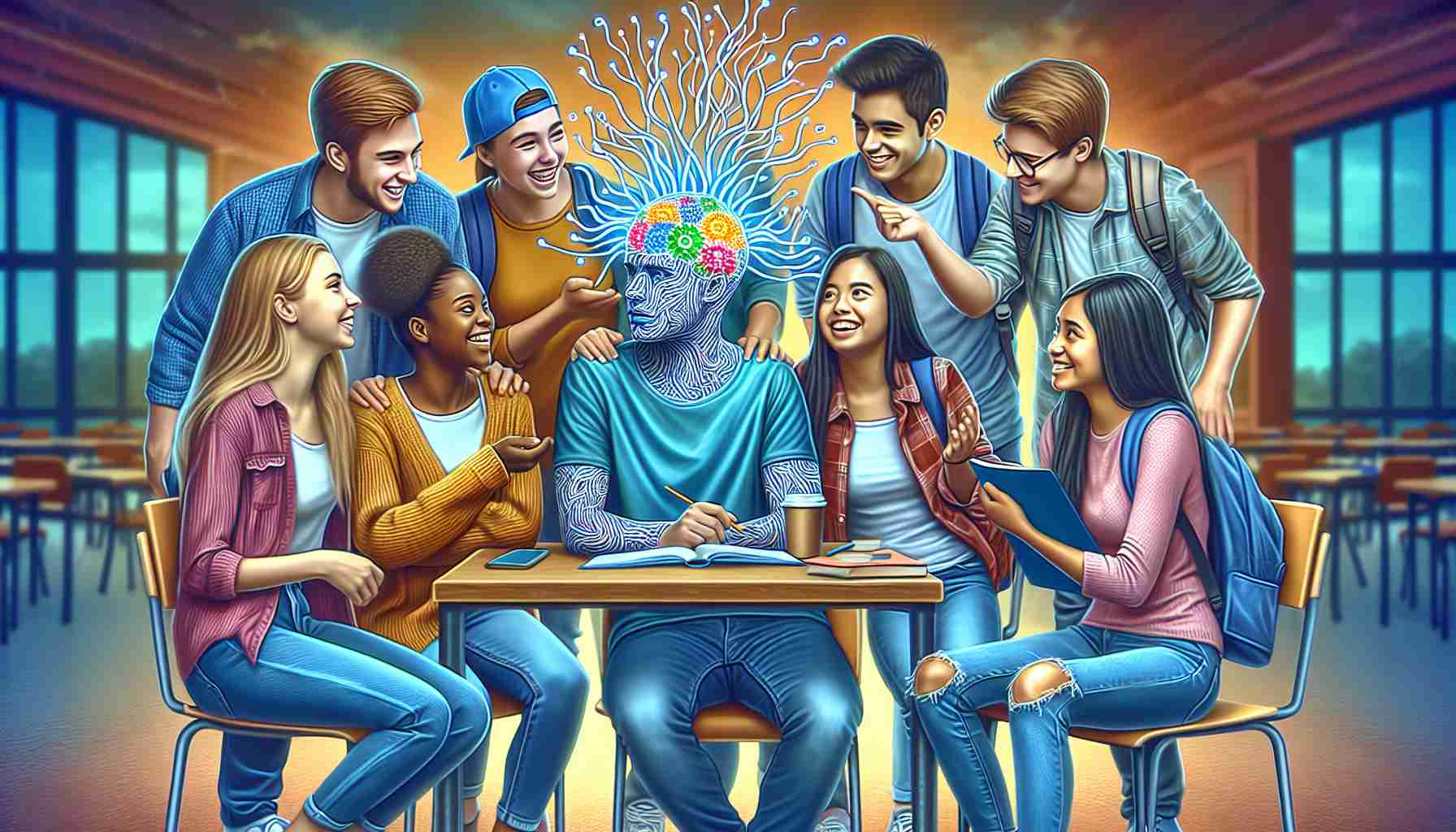
On September 17, 2024, Rutgers University launched its College Support Program (CSP), a significant initiative aimed at providing essential support for neurodiverse students, particularly those on the autism spectrum. Operated by the Rutgers Center for Adult Autism Services, the program is designed to help these students navigate the complexities of college life, forge friendships, and adapt to their new environment. The core of the CSP involves pairing neurodiverse students with trained undergraduate and graduate volunteer mentors, facilitating connections in non-academic settings.
The Importance of Peer Mentorship
The experience of participating in the CSP is more about building friendships than merely receiving guidance, as expressed by Josh Garfinkel, a junior majoring in Communication and minoring in Sociology at Rutgers University-New Brunswick. He emphasizes that the activities provided by the program allow him to temporarily escape academic pressures and enjoy relaxed social interactions. The social dynamics of college can be particularly challenging for students who feel different, making it crucial to find individuals who understand and appreciate their unique qualities.
Alyssa Nielsen, a 21-year-old senior majoring in Linguistics and aspiring to work with autistic students, shares her perspective as a volunteer mentor. She views her role as not just a guide but also as a friend. Regular meetings, shared meals, and study sessions help foster deep connections between mentors and mentees, creating a supportive community.
Expanding Support for Neurodiverse Students
The CSP is not limited to full-time students; it also extends support to part-time students, both residential and commuter. Erin Walker, the program coordinator, highlights the expansion of services to include support for students with Attention Deficit Hyperactivity Disorder (ADHD). The key role of mentors is to meet regularly with students, ensuring they receive the necessary academic and social support.
Regular social events, such as Olympic-themed parties and trivia nights, are organized to promote interaction among students. Many volunteer mentors are motivated to participate in the program due to personal connections to the neurodiverse community or a desire to support this group. Garfinkel notes that the CSP has helped him gain independence and encouraged him to make more friends, emphasizing the critical role of mentor support during the transition to college life.
The Broader Context of Neurodiversity in Higher Education
The initiatives at Rutgers University reflect a growing recognition of the importance of supporting neurodiverse students across U.S. colleges. As highlighted in a report from the Hinchcliffe Report, many institutions are taking steps to assist neurodiverse students, including those with autism, ADHD, and dyslexia. For instance, the University of California-Berkeley (2024 USNews Ranking: 15) has established a dedicated task force to address healthcare, disability accommodations, and curriculum adjustments for neurodiverse graduate students.
Moreover, the establishment of centers focused on neurodiversity, such as the “Center for Neurodiversity and Equity” at the University of San Diego, aims to provide better support for neurodiverse students. These centers focus on training K-12 educators, addressing policy issues affecting neurodiverse students, and preparing them for college and career success.
Challenges and Opportunities
Despite the progress being made, experts acknowledge that significant challenges remain. Many neurodiverse students face difficulties transitioning from K-12 education to college, where the support systems may not be as robust. Inna Fishman, the founding director of the Autism and Developmental Disabilities Center at San Diego State University, points out that while there has been a paradigm shift in understanding neurodiversity, meaningful change requires ongoing effort.
The role of volunteer mentors, as seen in the CSP, is crucial in bridging the gap for neurodiverse students. Programs like the Autism Mentorship Initiative at Simon Fraser University provide personalized support that goes beyond traditional academic accommodations. These initiatives help students navigate social interactions, time management, and sensory overload, which are common challenges faced by neurodiverse individuals.
Activities and Events Promoting Social Interaction
To further enhance social interaction among neurodiverse students, various activities and events are organized. For example, community events such as the “Harvest Moon Drum Circle” in Westport encourage participation and social engagement. Additionally, programs like the “Neurodiversity Center” at the University of San Diego focus on creating inclusive environments where neurodiverse students can thrive.
These activities not only promote social skills but also foster a sense of belonging among neurodiverse students. By creating opportunities for interaction, colleges can help students build friendships and develop essential life skills.
The Role of Institutions in Promoting Neurodiversity
As institutions recognize the importance of neurodiversity, they are increasingly implementing policies and practices that promote inclusivity. The ScarletWell initiative at Rutgers University, led by President Francine Conway, aims to enhance assessment and treatment services for neurodiverse students. This initiative has significantly reduced the costs associated with mental health assessments, making them more accessible to students.
Furthermore, the emphasis on creating neurodiversity-friendly workplaces is gaining traction. Companies are beginning to recognize the unique strengths that neurodiverse individuals bring to the workforce, leading to initiatives that promote inclusivity and support.
Conclusion
The College Support Program at Rutgers University exemplifies the positive impact of peer mentorship on neurodiverse students. By fostering friendships and providing essential support, the program helps students navigate the complexities of college life. As more institutions adopt similar initiatives, the landscape of higher education is gradually becoming more inclusive for neurodiverse individuals.
The ongoing efforts to support neurodiverse students not only enhance their academic success but also contribute to their personal growth and well-being. As colleges and universities continue to recognize the value of neurodiversity, they pave the way for a more equitable and inclusive educational environment.
References
- Rutgers University: “Rutgers Peer Mentor Program Supports Neurodiverse Students” link
- Rutgers University: “Rutgers Expands Support for ADHD and Autism Students” link
- NEA: “Equity in Education for Neurodiverse Students” link
- Youth Today: “Supporting Neurodivergent Students in Higher Education” link
- Vantage Circle: “Promoting Neurodiversity in the Workplace” link
- Simon Fraser University: “Supporting Neurodiversity: Insights from the Autism Mentorship Initiative” link