
The Critical Role of Early Childhood Education and the Northeastern Co-op Experience
The foundational importance of high-quality early childhood education (ECE) is well-established, underscored by extensive research and ongoing policy discussions. It is widely recognized that a strong start in life, facilitated by nurturing and educational environments during the crucial early years, significantly impacts a child’s cognitive, social, and emotional development, laying the groundwork for future academic success and overall well-being. Simply put, investing in early education yields substantial long-term societal benefits.
Let’s consider this carefully. Northeastern University (2025 USNews Ranking: 54) ‘s commitment to experiential learning is vividly illustrated through its partnership with Ellis Early Learning, a Boston-based nonprofit dedicated to providing exceptional early childhood education. This collaboration specifically highlights the transformative impact of student co-op experiences, offering a practical pathway for students to engage deeply with the ECE sector. Ellis Early Learning, with a rich history dating back to 1885, serves over 300 children annually, from infancy through preschool, across multiple locations. Its mission centers on serving a diverse population, with a significant emphasis on supporting children from low-income families. In fact, a substantial portion of the families served rely on government subsidies, and approximately 11% experience homelessness, underscoring Ellis’s vital role in providing a stable and enriching environment for vulnerable children. The organization also welcomes children in foster care, while a third of its families contribute full tuition, reflecting a deliberate commitment to mixed-income programming.
Research consistently demonstrates the advantages of such mixed-income environments. As noted by Lauren Cook, CEO of Ellis Early Learning, children in these settings tend to achieve higher academic gains and cultivate greater empathy and reduced prejudice. This aligns with broader findings that diverse educational settings foster crucial social-emotional skills alongside academic development.
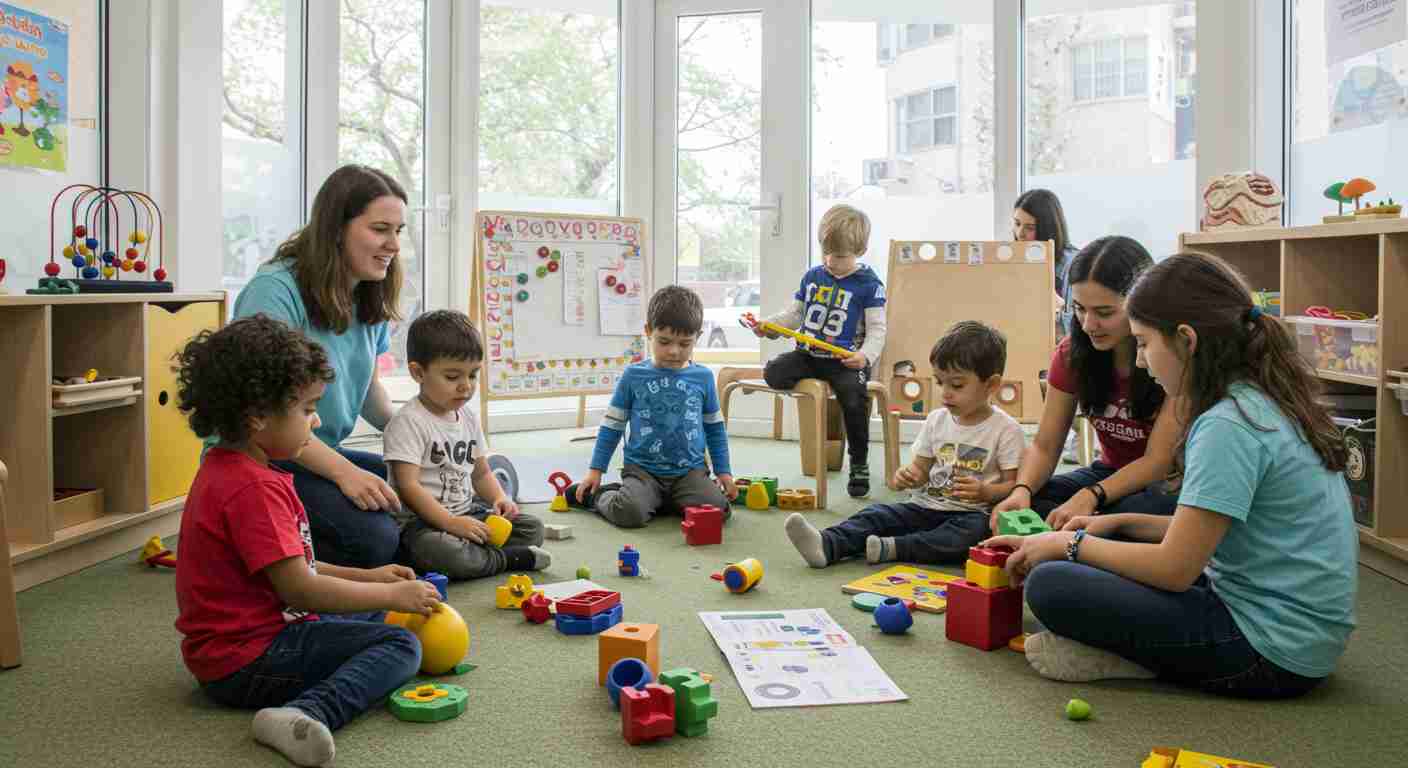
Northeastern’s co-op program has been instrumental for Ellis Early Learning, particularly in addressing the persistent workforce shortages within the ECE field. Cook emphasizes that the university’s students, characterized by their dedication and passion, have proven to be a transformative force for the organization’s staff. While Ellis has hosted Northeastern students for service-learning courses for many years, the formal hiring of co-op students began three years ago. These students are integrated as essential team members, entrusted with substantive work and opportunities to make a meaningful impact. Ellis offers various co-op roles, including nonprofit generalist, development and fundraising, and program specialist. Ideal candidates are those who possess a genuine affection for children, strong writing capabilities, and the ability to foster positive relationships with both educators and parents. Cook humorously adds that a robust immune system is also a practical necessity, given the prevalence of common childhood illnesses.
Sofia Baiker, a history and political science major, experienced this dynamic firsthand during her co-op. She actively contributed to Ellis’s fundraising efforts, a critical component of the organization’s financial sustainability, alongside government funding and tuition revenue. Baiker’s responsibilities were varied and demanding, encompassing the writing of outreach letters, identifying prospective donors, preparing for meetings, assisting with events, and managing social media content. Although her co-op role was not directly aligned with her academic majors, Baiker found the work profoundly meaningful and complementary to her broader studies. She effectively leveraged her writing and reading skills for communication and outreach, anticipating that this practical experience would further enrich her academic pursuits.
A particularly rewarding aspect of Baiker’s co-op involved contributing to the planning of the spring fundraising social. She found satisfaction in participating in the event’s conceptualization and execution, experiencing the gratification of seeing it succeed and be enjoyed by attendees. However, a standout element of her role was the direct interaction with the children in the classrooms. Gathering content for social media provided opportunities to engage with them, which she described as both fun and often difficult to leave due to the children’s enthusiastic engagement.
Cook lauded Baiker for her intelligence, hands-on approach, and sophisticated engagement, characterizing co-op students broadly as possessing a valuable “can-do attitude.” Beyond professional development, Cook believes these experiences cultivate empathy for families facing adversity, foster respect for early educators, and instill a robust work ethic. She acknowledges the inherent challenges of working with young children, especially those who may have experienced trauma, requiring immense care, patience, and compassion. Through such experiences, students develop a profound understanding of the critical role ECE plays in a child’s development, a family’s well-being, and the broader societal and economic fabric. Baiker, reflecting on her own journey, encourages her peers to embrace new opportunities and explore diverse co-op experiences, recognizing that each offers a unique and invaluable learning opportunity. This aligns with Northeastern’s broader philosophy, which prioritizes practical, hands-on legal training through its renowned co-op program, preparing students for the complexities of the legal profession through immersive, real-world experience.
The Broader Landscape: Policy, Investment, and Workforce Challenges in Early Childhood Education
The landscape of early childhood education is intrinsically linked to public policy and investment. The accessibility and quality of programs are directly shaped by the level of public funding, or conversely, by its scarcity. Examining different states can illuminate these dynamics. In Pennsylvania, for instance, the Department of Education, through its Office of Child Development and Early Learning (OCDEL), actively fosters a high-quality ECE system. This office operates in partnership with the Department of Human Services to establish robust standards for programs and professionals, offering essential support, ensuring accountability, and engaging the community. Initiatives like Early Learning Standards, Early Intervention services, Keystone STARS, and various Preschool Programs demonstrate a commitment to building a strong educational foundation for children from birth to age five, with programs like Child Care Works specifically designed to make quality care financially accessible for low-income families. This approach prioritizes collaboration among parents, schools, providers, and community organizations to address barriers to school readiness and academic success.
In contrast, Oregon faces significant financial constraints that are poised to impact its early learning and child care programs. The state is confronting a projected $45 million cut over two years, a decision attributed by legislators to a reduced overall pool of money for education and child care, significantly influenced by the expiration of federal pandemic aid. This reduction is anticipated to further diminish the accessibility of early childhood education in a state where finding affordable care is already a considerable challenge. Specifically, the Preschool Promise program, which aims to provide free preschool to low-income 3- and 4-year-olds, could face a $20 million reduction, potentially impacting access for over 600 children. These financial challenges are compounded by a projected $200 million shortfall in revenue from the state’s corporate tax for education.
The role of nonprofit organizations is paramount in bridging the gaps created by insufficient public funding and in supporting vulnerable populations. Organizations like Ellis Early Learning in Boston, which serves a large percentage of low-income families and those experiencing homelessness, rely heavily on a combination of government subsidies, tuition, and fundraising. Similarly, many of the 22 Rhode Island nonprofits highlighted for Giving Tuesday operate with similar funding models, providing essential services ranging from food security to educational support for children. These organizations often depend on donations and grants to sustain their operations and expand their reach. For example, Farm Fresh Rhode Island aims to build a robust local food system, while Genesis Center empowers immigrants and refugees with education and job training, both vital services that require consistent financial support. The San Diego Foundation’s Nonprofit Update also showcases various grant opportunities for local organizations, emphasizing the critical need for diverse funding streams to support community initiatives.
The financial pressures faced by states like Oregon, coupled with the essential work performed by nonprofits, highlight the broader challenges within the early childhood education workforce. Persistent issues include low wages, high turnover rates, and significant difficulty in filling positions. Data from Canada in 2021-2022 indicated that approximately one-third of child care centers reported vacancies for ECE-qualified staff, with a lack of qualified applicants and insufficient applicant numbers being primary reasons. This situation is not unique to Canada; across the sector, compensation often lags considerably behind that of other professions, contributing to job dissatisfaction and the exodus of experienced educators. For instance, the White House’s Economic Report of the President noted that early childhood educators’ compensation is significantly lower than those in similar occupations, leading to high turnover that detrimentally impacts children’s development. This creates a difficult cycle where the very foundation of quality care—a stable, well-compensated, and skilled workforce—is undermined by financial instability. Despite these systemic difficulties, the rewards of this sector are substantial, encompassing the profound impact on child development, the crucial support provided to families, and the contribution to a more equitable society.
Fundraising, Strategic Adaptation, and the Future of ECE Support
The financial and strategic realities for nonprofit organizations, particularly those in the education sector, require constant adaptation to navigate economic turbulence. This involves a multifaceted approach to fundraising, as well as strategic adjustments to operations. First, let’s consider the diverse fundraising strategies available to these organizations. These range from securing government grants, which often come with specific reporting requirements but provide substantial, reliable funding, to cultivating individual donor relationships through appeals, events, and recurring giving programs. Membership fees can offer a predictable revenue stream by fostering loyalty and providing exclusive benefits to supporters. Furthermore, corporate sponsorships represent a valuable partnership opportunity, aligning organizational missions with corporate social responsibility goals and potentially providing financial backing, in-kind donations, or promotional support.
The CPA Journal, in an article discussing how nonprofits can adapt their strategies, points to critical economic headwinds like persistent inflation and a decline in donor giving. Inflation, as discussed, directly increases operating costs for everything from rent and utilities to essential supplies and the imperative to offer competitive salaries to retain talent. Simultaneously, individuals facing affordability crises may reduce charitable contributions, prioritizing essential expenses. This environment is further complicated by the cessation of emergency government funding that was available during the pandemic, even as demand for nonprofit services remains exceptionally high. This creates a significant strain, forcing organizations to do more with less.
To counter these pressures, leveraging technology is a key strategy. This includes automating back-office functions, employing AI for tasks like fundraising outreach and grant writing to improve efficiency and application quality, and enhancing donor engagement through Customer Relationship Management (CRM) platforms. Expanding service delivery via virtual tools, such as online learning platforms, can also broaden reach and reduce operational costs. While technology adoption requires an initial investment, the long-term benefits in cost savings and improved efficiency are substantial.
Optimizing financial management is also paramount. This involves rigorous cash flow management through detailed forecasting, building and prioritizing reserve funds to withstand unexpected economic shocks, and critically evaluating the performance of existing programs, potentially restructuring or discontinuing those that are inefficient or unprofitable. Diversifying revenue streams beyond traditional sources is not merely advisable but essential for long-term sustainability. This requires a strategic focus on building strong, personalized relationships with donors and exploring new avenues for financial support, such as earned income from mission-aligned services or products.
The importance of a strong, well-supported workforce cannot be overstated, particularly in sectors like early childhood education, where staffing challenges are acute. The low wages and minimal benefits often offered to early childhood educators contribute directly to high turnover rates and difficulties in attracting and retaining qualified personnel. For instance, Canadian workforce data from 2021-2022 indicated a significant portion of centers reported vacancies for ECE-qualified staff due to a lack of qualified applicants. This situation directly impacts the quality and consistency of care provided to children. Robust funding is therefore intrinsically linked to the ability to offer fair compensation and adequate support, which in turn stabilizes the workforce and enhances the overall quality of ECE services.
Looking toward the future, sustained public and private investment is crucial for ensuring the continued accessibility and quality of early childhood education. This requires a commitment to policies that prioritize ECE funding, recognizing its profound impact on children, families, and the broader societal and economic landscape. Effective fundraising strategies and diligent strategic management are the vehicles through which this investment can be channeled to achieve maximum impact. Ultimately, a future where early childhood education is both accessible and of high quality benefits not only the children and families directly involved but also contributes to a more skilled workforce, stronger communities, and a more prosperous society. Furthermore, university partnerships, such as co-op programs, play a vital role in this future by providing a pipeline of skilled and dedicated individuals to the ECE workforce, thereby contributing to its stability and professional development.
Reference:
- Northeastern Student’s Co-op at Ellis Early Learning Provides Deep Insight into Early Childhood Education
- Northeastern Law Leads Nation in Practical Legal Training Opportunities
- Pennsylvania Department of Education Focuses on Early Childhood Learning and Support
- Oregon Faces $45 Million Cut to Early Learning and Child Care Programs
- New Report Highlights Positive Impact of Public Investment on Child Care and Early Learning
- 22 Rhode Island Nonprofits to Support This Giving Tuesday
- Grants Available for Nonprofits Aiming to End Child Labor
- The Crucial Role of Child Care in Minnesota’s Economy and Society
- Applying Academic Skills in the Workplace
- Navigating Funding: A Comprehensive Guide to Grants and Programs for Small Businesses
- AI Integration in Higher Education: Pre-service Teachers’ Perspectives on Benefits and Challenges
- Analysis of the Child Care Workforce in Canada (2021-2022)
- White House Economic Report Highlights Critical Role of Child Care in Economic Growth
- San Diego Foundation Announces June 2025 Nonprofit Update with Events and Funding Opportunities
- Nonprofits Navigate Economic Headwinds with Strategic Financial and Operational Adaptations
- Top 9 Nonprofit Funding Sources Explored by GoFundMe