
The Evolving Landscape of US College Rankings: Shifting from Traditional Prestige to Student Outcomes, Brand Influence, and the Rise of Texas A&M
Texas A&M’s Ascendancy in University Rankings: A Deep Dive into WSJ’s Methodology
Your scholarly editor is here to delve into the fascinating world of university rankings, particularly focusing on how Texas A&M University has consistently achieved top honors. Indeed, its No. 1 position among public universities in Texas for the third consecutive year by the Wall Street Journal is a noteworthy accomplishment.
Pay attention here! The Wall Street Journal (WSJ) / College Pulse ranking methodology distinguishes itself from many other systems by heavily emphasizing student outcomes. According to recent data, this metric accounts for a substantial 70% of a university’s total score. This outcome-centric approach includes a deep dive into factors such as graduates’ salaries, the time it takes for alumni to pay off their educational costs, and the university’s overall impact on graduation rates. For instance, studies show that Texas A&M’s robust performance in these areas directly contributes to its high standing, reflecting a strong return on investment for its students. Graduates from the university consistently demonstrate competitive salaries, a key indicator of post-graduation success that the WSJ methodology prioritizes.
Beyond student outcomes, the WSJ/College Pulse rankings allocate 20% of the score to the learning environment. This encompasses a holistic view of the educational experience, considering elements like the quality of learning opportunities, effectiveness of career preparation services, adequacy of learning facilities, and even student recommendations, as captured through surveys. The remaining 10% of the score is dedicated to diversity, recognizing its crucial role in a comprehensive and enriching educational setting.
Here’s an interesting fact: the 2025 WSJ rankings introduced a new dimension—the “character score.” This novel metric aims to assess “the extent to which students feel the college has developed character strengths that will help them to make a meaningful contribution to society, including moral courage, hopefulness, resilience, wisdom and a sense of justice.” Texas A&M’s consistent recognition aligns perfectly with the sentiments expressed by its leadership. Dr. Alan Sams, executive vice president and provost at Texas A&M, noted that being ranked best in Texas and among the nation’s leading public universities is a “badge of honor” because it validates the university’s commitment to academic and research strengths, alongside creating opportunities for student flourishing both during and after their time at Texas A&M. Similarly, General (Ret.) Mark A. Welsh III, president of Texas A&M, enthusiastically connected these accolades to the university’s Core Values, highlighting their centrality to its mission of developing future leaders dedicated to societal betterment. These statements resonate deeply with the WSJ’s emphasis on student success and the newly introduced character score.
It’s also worth noting Texas A&M’s regional dominance. The university has secured the No. 1 position within the Southeastern Conference (SEC), further cementing its status as a leading institution not just within Texas, but across a highly competitive collegiate landscape. This consistent top-tier performance speaks volumes about its comprehensive excellence.
In contrast, other ranking systems, such as the widely known U.S. News & World Report, often employ a broader set of criteria that may include institutional reputation among peers, endowment size, and selectivity. While Texas A&M also fares well in these rankings, even achieving a No. 3 spot among public universities in a U.S. News category assessing support for students transitioning to college life, the WSJ’s unique focus on tangible student outcomes provides a distinct and valuable perspective on institutional quality. This divergence in methodology often leads to varying placements, underscoring the importance of understanding the specific criteria each ranking system prioritizes.
The Evolving Landscape of University Rankings: WSJ vs. U.S. News & World Report
Your scholarly editor is back, ready to dissect the fascinating variations in how universities are judged and placed by prominent ranking systems. The divergence between the Wall Street Journal/College Pulse rankings and the U.S. News & World Report rankings provides a compelling case study in differing methodologies and their profound impact on institutional placements.
Pay attention here! The WSJ’s unique emphasis on student outcomes and return on investment stands in stark contrast to U.S. News’ broader criteria, which frequently incorporate reputation, institutional resources, and selectivity into its calculations. Studies show that the WSJ’s revised methodology, which debuted in 2024, allocates a significant 70% of its score to graduate outcomes, including factors like salary impact and on-time graduation rates. Here’s an interesting fact: this approach explicitly aims to level the playing field by assessing how effectively a university enhances a student’s career trajectory beyond what their demographic profile might initially predict. The U.S. News, conversely, often considers peer assessment, faculty resources, and student selectivity as significant components, creating a more traditional view of “prestige.”
This methodological schism has led to what author Leo Goldberg described as a “bewildering mess” and a “capricious methodology” in the WSJ rankings. We’ve seen drastic fluctuations and truly unexpected placements of traditionally elite institutions. Imagine this: MIT, a bastion of scientific and engineering prowess, found itself at No. 6, Harvard at No. 7, and the University of Pennsylvania at No. 13 in the WSJ’s 2025 list. These academic titans were surprisingly outranked by institutions like Babson College, a smaller business-focused school, which claimed the #2 spot. Other unexpected high-fliers included San Jose State University at #16 and UC Merced at #18, while traditionally elite institutions like UCLA were placed significantly lower at #68. Similarly, Brown University (No. 36), Vanderbilt (No. 44), Dartmouth (No. 57), and the University of Chicago (No. 75) all experienced rankings far below what one might anticipate from a more traditional system.
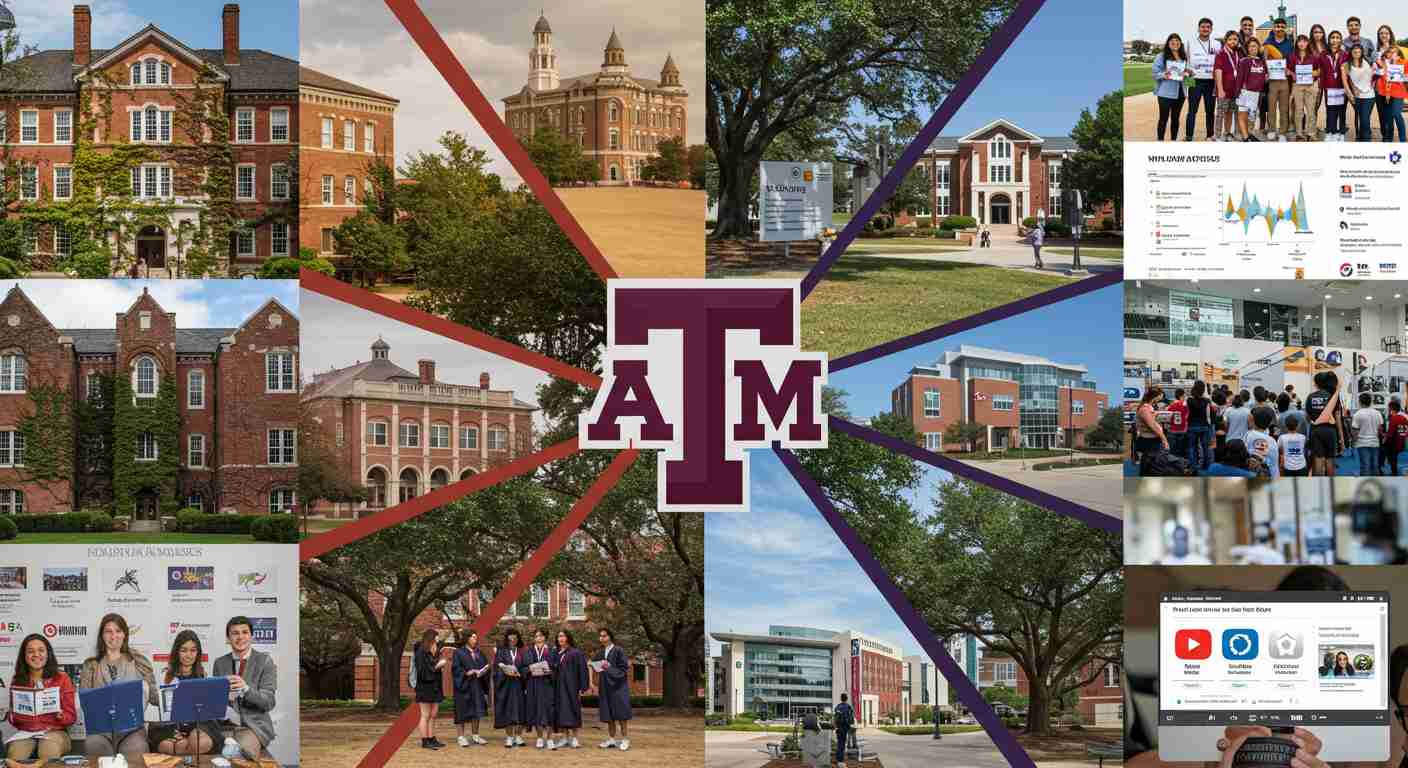
These shifts are not random; they reflect a deeper, national movement to redefine what constitutes a “good school,” moving away from the long-held reverence for traditional elites. According to recent data, this re-evaluation is partly fueled by external pressures and a diminishing perceived advantage of Ivy League brand names in the job market, with employers increasingly seeking talent from a broader range of institutions. This sentiment has even led to the discussion of a “New Ivies” tier, proposing alternatives to the conventionally accepted top schools. The WSJ’s outcome-focused approach implicitly aligns with this redefinition, prioritizing the tangible benefits a degree confers rather than institutional legacy or reputation.
Internal university decisions also play a critical role in these fluctuating metrics. Consider the case of the University of Connecticut (UConn). Studies show that UConn experienced a significant drop in both U.S. News and World Report and Wall Street Journal rankings for 2025. In U.S. News, UConn fell from 58th to 70th nationally, and from 26th to 32nd among public schools. The WSJ rankings saw an even more precipitous decline, with UConn dropping from 46th to 99th place. Your scholarly editor notes that this substantial fall has been attributed to academic budget cuts, which led to fewer class offerings, larger class sizes, scaled-back graduate programs, and decreased research opportunities. Moreover, a continuous rise in tuition, an almost 25% increase over five years, indirectly impacted metrics such as graduation rates and post-graduation debt, even if not a direct calculation point in the WSJ’s current methodology. This illustrates vividly how administrative choices within a university can directly influence its standing across different ranking systems.
Conversely, some institutions have thrived under the WSJ’s new framework, highlighting its unique perspective. Here’s an interesting fact: the University of Utah (the U) achieved a celebrated top 10 WSJ placement for salary impact, securing the No. 8 position among public schools and No. 43 nationally in the 2024 rankings. This is a significant achievement, placing it above historically high-ranking public universities like the University of California, Berkeley, in this specific system. This performance is particularly striking when juxtaposed with its lower U.S. News ranking, where the University of Utah was placed at No. 58 among public universities and tied for No. 115 overall. University leaders at the U have openly expressed appreciation for the Journal’s unique methodology, seeing it as a long-awaited acknowledgment of the quality of education and workforce preparation the university provides. They believe this ranking will substantially boost recruitment efforts, especially for out-of-state students, underscoring how a favorable placement in a prominent ranking system can be strategically leveraged. This contrasting performance vividly demonstrates that the choice of methodology profoundly shapes a university’s perceived value and success in the competitive landscape of higher education.
Beyond Rankings: Factors Driving University Visibility and Brand Strength
Your scholarly editor is now shifting focus beyond the intricacies of ranking methodologies to examine the broader concept of university visibility and brand strength, drawing extensively from the Global University Visibility (GUV) Rankings by American Caldwell. This framework offers a unique perspective on how institutions capture and maintain public attention in an increasingly crowded information ecosystem.
Pay attention here! The GUV Rankings are particularly insightful because they do not rely on self-reported data from universities, a common critique of other systems. Instead, according to recent data, their methodology independently assesses brand strength and prominence by aggregating publicly available information. This includes, but is not limited to, news coverage, social media engagement, search engine activity, YouTube viewership, and website traffic. This data-driven approach ensures transparency, consistency, and a true reflection of public-facing visibility.
Texas A&M University provides a remarkable case study in strategic visibility. Your scholarly editor notes that the university ascended to the No. 2 spot among public universities and No. 8 overall in the U.S. in the 2025–2026 GUV Rankings, a significant six-place improvement in just one year. Globally, it made an impressive leap from No. 21 to No. 13, marking the largest jump among the top 15 institutions. This surge is not accidental. Studies show it is a direct result of strategic investments in brand storytelling, digital engagement, and high-profile partnerships. For instance, affiliations with entities like Dude Perfect, SXSW, Fast Company, and activations in NASCAR and IndyCar have dramatically amplified Texas A&M’s research, values, impact, and national relevance. R. Ethan Braden, vice president and chief marketing and communications officer, eloquently described Texas A&M as “a marketer’s dream,” emphasizing the resolve of Aggies in engineering a brighter future and showcasing the university as a “force for good.” The university’s visibility highlights for 2024–2025 are staggering: over 70 million YouTube views (a 21,000% year-over-year increase, with 89% from outside Texas), more than 2.3 million followers across its official social media channels, 8.8 million visits to tamu.edu, over 53,000 news mentions (an 80% increase), and 500,000 monthly web searches. These figures underscore the effectiveness of a multi-pronged approach to capturing public attention.
Another institution demonstrating exceptional brand strength through visibility is Purdue University (2026 USNews Ranking: 46) , recognized as the most visible public university in the U.S. and climbing to No. 6 globally in the 2025-26 GUV rankings. This places Purdue at No. 4 among all U.S. universities, trailing only Harvard, MIT, and Stanford. Purdue President Mung Chiang attributed this success to the “excellence at scale” demonstrated by the university’s students, faculty, and staff, further amplified by the creativity of its marketing and communications teams. Here’s an interesting fact: Purdue’s visibility score reached 21.8 million (up 9% from the previous year), alongside 12.9 million website visitors, 10,636 news mentions, 344,000 monthly Google searches, and 1.2 million social media followers. As Julie Rosa, vice president for communications, articulated, this increased visibility is crucial for attracting top students, expanding funding opportunities, recruiting leading faculty, and fostering deeper partnerships, all integral to the university’s land-grant mission.
Beyond these direct visibility metrics, your scholarly editor draws insights from a crucial academic study: “University Digital Media Co-occurrence Networks: Brand Visibility and Dynamics in the Attention Economy.” This research, published in Humanities and Social Sciences Communications, introduces a framework to measure brand equity through the frequency and co-occurrence of universities’ official names in digital media articles. Analyzing approximately 2 million media articles, the study focused on 29 universities in California and Texas, correlating digital media visibility with ARWU Shanghai rankings and freshman enrollment growth. Studies show that a 1% increase in media visibility correlated with a 0.034% increase in freshman enrollment, with a more significant impact observed for UT system campuses, underscoring the tangible benefits of strong brand visibility.
Pay attention here! The study found that brand association is highly stratified by regional proximity, institutional specialization, and prestige. For instance, universities within the same state or region tend to co-occur more frequently in media articles, reflecting a shared ecosystem and local interest. Moreover, institutions with similar specializations, such as biomedical and health science-oriented universities, exhibit higher co-visibility, forming thematic clusters within the media landscape. The research also highlighted that prestige plays a significant role, with stronger cross-state co-visibility links observed between highly-ranked institutions like Rice University and premier California universities.
The temporal analysis of co-visibility dynamics reveals intriguing shifts. The average pairwise frequency of two universities appearing in the same article has shown a declining trend over time, suggesting a move towards a single-institution focus in media content. This shift, according to the study, is partly attributable to paradigm shifts in media content production following the 2007–08 financial crisis and the COVID-19 infodemic. These crises acted as external shocks, causing significant fragmentation in co-visibility networks. During the COVID-19 pandemic, for example, media coverage thematically shifted towards Politics, Health & Food, and Vacation & Travel, leading to a notable reduction in Education & Professional topics. However, universities with strong biomedical and health research focuses, such as Stanford and UCLA, experienced increased co-visibility related to pandemic themes, illustrating how institutional specialization can become particularly relevant during crises. This phenomenon underscores the increasing importance of strategic communications in the “attention economy,” where universities must proactively manage their narratives and align content production with dominant media topics to reinforce brand visibility and association, leveraging regional system strengths to boost the visibility of the entire university system.
Cultivating Student Success: The Role of First-Year Experience and Inclusivity
Your scholarly editor is now shifting focus from external recognition and brand visibility to the crucial internal strategies universities employ to cultivate student success and foster inclusivity, recognizing that these efforts indirectly but significantly contribute to their overall standing.
Pay attention here! A cornerstone of these internal strategies involves robust first-year experience (FYE) programs, which studies show are instrumental in student retention and achievement. Brandeis University‘s First-Year Seminar (FYS) program serves as an excellent example. This initiative is designed to immerse incoming students in diverse disciplinary perspectives, equipping them with critical academic skills from the outset. According to Brandeis University’s own description, these seminars foster effective writing and revision, critical analysis of foundational texts, independent research, and ethical source use. Here’s an interesting fact: the program also emphasizes the importance of providing constructive peer feedback and adapting writing to various genres, contexts, and audiences, preparing students not just for academic rigor but for lifelong learning.
Similarly, Old Dominion University (ODU) has undertaken a comprehensive “Reimagining the Future of General Education” initiative, prominently integrating High-Impact Practices (HIPs). According to George Kuh, who coined the term in 2008, HIPs are learning experiences that foster deep learning and enhanced engagement, with a particularly positive effect on historically underserved student populations. ODU’s reform aims to embed two HIPs within general education requirements—one during the first year and another potentially within the student’s major—to facilitate deeper learning and engagement. This scaffolded approach, informed by a dedicated HIP reading group, includes practices like Capstone Projects, First-Year Seminars, Service-Learning, and Undergraduate Research. Studies show that these programs yield both short-term benefits, such as gains in critical thinking, and long-term advantages, including increased doctoral degree attainment, especially for historically underserved groups.
Beyond the formal curriculum, innovative approaches to orientation are equally vital. The University of the West Indies St. Augustine Campus, for instance, is transforming its first-year student orientation programs through design thinking. Jarell Alder, Manager of Student Engagement, outlines a five-step process that prioritizes understanding student needs through focus groups and surveys, defining clear problems (e.g., “Orientation feels like information overload”), brainstorming diverse solutions, and iteratively prototyping and testing new offerings. This human-centered approach ensures that orientation effectively addresses genuine student concerns, rather than simply replicating past agendas, thereby setting students up for academic success and fostering deeper engagement.
Furthermore, the broader theme of diversity in higher education is paramount. Your scholarly editor turns to the “Diversity in Higher Education: Facts and Statistics (2025)” report from BestColleges, which highlights the evolving landscape of student and faculty demographics. According to recent data, students of color now constitute approximately 41% of undergraduates in fall 2024, a significant increase from past decades. Hispanic and Latino/a students represent the second-largest group at 19%, with Black students at 11%. Here’s an interesting fact: diversity extends beyond race and ethnicity to include gender, age, family structure, and first-generation status, with women outnumbering men in college since 1979 and 26% of students identifying as first-generation in 2020.
The benefits of diverse learning environments are well-documented. Studies show a positive correlation between attending a racially diverse institution and future earning potential; graduates from diverse colleges can expect to earn over 5% more, with Hispanic and Latino/a students potentially earning nearly $10,000 more per year. Diverse institutions also foster richer social networks. A 2022 BestColleges survey revealed that a majority of students believe racial/ethnic diversity enhances social experiences (62%) and learning environments (59%). Moreover, the report emphasizes the importance of faculty diversity, as studies indicate that Black students perform better and are less likely to drop out when they have same-race instructors.
In a post-affirmative action landscape, universities are exploring innovative ways to foster inclusion. Arizona State University (ASU) provides a compelling case study. Despite a state-wide ban on race-based admissions since 2010, ASU has achieved remarkable success in increasing its student population, including a nearly 120% rise in Black students over the past decade, without explicit targeting. Pay attention here! ASU’s approach focuses on broad, accessible programs, such as an earned admissions program that allows students to take online university modules and accumulate credits, offering a “lower stakes way of proving…to themselves that they can do it” for those who might not otherwise be admissible. Additionally, ASU’s guaranteed admissions program offers high school students a “road map” to admission, providing early support and guidance. This success in fostering inclusion, particularly among low-income students (29% of ASU students receive significant financial aid), directly links back to the UN’s Sustainable Development Goals (SDG 1: no poverty), underscoring the vital role of admitting low-income students in broader societal uplift. This demonstrates that inclusive outcomes can be achieved through universal, accessible programs rather than direct, potentially stigmatizing, targeting.
Reference:
- “Wall Street Journal Names Texas A&M Best Public University in Texas for Third Consecutive Year”
- “Wall Street Journal Names Texas A&M The Best University In Texas”
- “The WSJ’s New College Rankings: A Bewildering Mess or a Deliberate Satire?”
- “A fall in rankings: What does this mean for UConn?”
- “University of Utah Achieves Top 10 Ranking in New Wall Street Journal / College Pulse 2024 Best Colleges Report”
- “Texas A&M University Named No. 2 Most Recognized Public University In US”
- “Purdue Named Most Recognized Public University in U.S., No. 6 Overall in Global University Visibility Rankings”
- “University Digital Media Co-occurrence Networks: Brand Visibility and Dynamics in the Attention Economy”
- “Brandeis University Launches First-Year Seminar Program to Foster Academic Exploration and Essential Skills”
- “Reimagining the Future of General Education: Making Gen Ed HIP at Old Dominion University”
- “Design Thinking Can Transform First-Year University Orientation”
- “Diversity in Higher Education: Facts and Statistics (2025)”
- “Reaching Low-Income Students Without Explicitly Targeting Them: Lessons from ASU and Chonnam National University”