
Introduction: The Urgency of Campus Safety Training
The issue of campus safety has become increasingly pressing in the wake of a disturbing rise in active shooter incidents across the United States. According to a 2023 report from the FBI, there has been a staggering 60% increase in such incidents since 2019, underscoring the urgent need for educational institutions to prioritize preparedness and response strategies. In this context, Case Western Reserve University (2025 USNews Ranking: 51) (CWRU) has taken a proactive step by releasing a new training video as part of the federally supported Run. Hide. Fight. program. This initiative aims to equip students, faculty, and staff with the knowledge and skills necessary to respond effectively in the event of an active aggressor situation.
The Run. Hide. Fight. protocol has been widely disseminated by law enforcement agencies and is designed to guide civilians on how to react during an active shooter event. The protocol emphasizes three key actions: running to safety if possible, hiding if escape is not feasible, and fighting back only as a last resort. While this guidance has been a cornerstone of active shooter training for years, experts are beginning to question its effectiveness in light of the evolving nature of these violent incidents. The rapid escalation of violence in active shooter situations has led some to argue that the traditional approach may not adequately prepare individuals for the realities they may face.
CWRU’s new training video serves as a critical resource, particularly for those who may not have the time to attend in-person training sessions. Adam Gilmore, captain of community policing and education at CWRU, highlighted the importance of reaching 100% of the campus population with this training, recognizing that busy schedules often hinder participation in traditional formats. The video aims to empower individuals with the knowledge and instincts necessary to respond effectively, rather than instilling fear. However, it is essential to note that while the video is a valuable educational tool, it does not replace the need for in-person training, which can provide tailored, hands-on guidance.
The broader implications of such training programs extend beyond individual preparedness; they reflect a cultural shift within educational institutions towards prioritizing safety and awareness. As the frequency of violent incidents in educational settings continues to rise, universities are increasingly recognizing the need for comprehensive safety measures. This includes not only training programs like Run. Hide. Fight. but also the implementation of additional safety protocols, mental health support, and community engagement initiatives.
Moreover, the conversation around active shooter preparedness is evolving. Experts are advocating for a more nuanced approach that goes beyond the traditional run, hide, fight model. New response strategies, such as “Avoid, Deny, Defend” and “Alert, Lockdown, Inform, Counter, Evacuate,” are gaining traction as they emphasize flexibility and adaptability in training. These models reflect the need for individuals to be equipped with a range of responses tailored to the specific circumstances they may encounter during an active shooter event.
As educational institutions like CWRU take steps to enhance campus safety through training and preparedness initiatives, it is crucial to engage in ongoing discussions about the effectiveness of these programs. The goal is to ensure that students, faculty, and staff are not only aware of the protocols but also feel empowered to act decisively in the face of danger. The increasing frequency of active shooter incidents serves as a stark reminder of the importance of comprehensive safety measures and the need for continuous evaluation and improvement of training programs.
Evaluating the Effectiveness of the Run. Hide. Fight. Protocol
The effectiveness of the Run. Hide. Fight. protocol in active shooter situations has come under scrutiny as experts and law enforcement officials reassess traditional emergency response strategies. Originally developed to provide civilians with a straightforward framework for responding to active shooter incidents, the protocol emphasizes three sequential actions: running away from danger, hiding if escape is not possible, and fighting back as a last resort. However, the increasing frequency and severity of mass shootings have prompted a reevaluation of this approach, leading to the emergence of alternative strategies.
Security experts, including Juliette Kayyem, a former assistant secretary for Homeland Security, argue that the Run. Hide. Fight. model may not adequately address the rapid escalation of violence in active shooter scenarios. Kayyem points to instances where individuals have successfully intervened during shootings, suggesting that engaging the shooter can sometimes be a more effective response than hiding. This perspective is echoed by law enforcement officials who note that many active shooter events conclude before police arrive, highlighting the importance of civilian preparedness and the need for individuals to feel empowered to take action.
In response to these concerns, alternative strategies such as Avoid, Deny, Defend (ADD) and the ALICE (Alert, Lockdown, Inform, Counter, Evacuate) training have gained traction. The ADD model encourages individuals to avoid confrontation with the shooter whenever possible, deny access to the shooter by creating barriers, and defend themselves if necessary. This approach reflects a shift towards a more proactive stance, emphasizing the importance of situational awareness and the ability to adapt to rapidly changing circumstances.
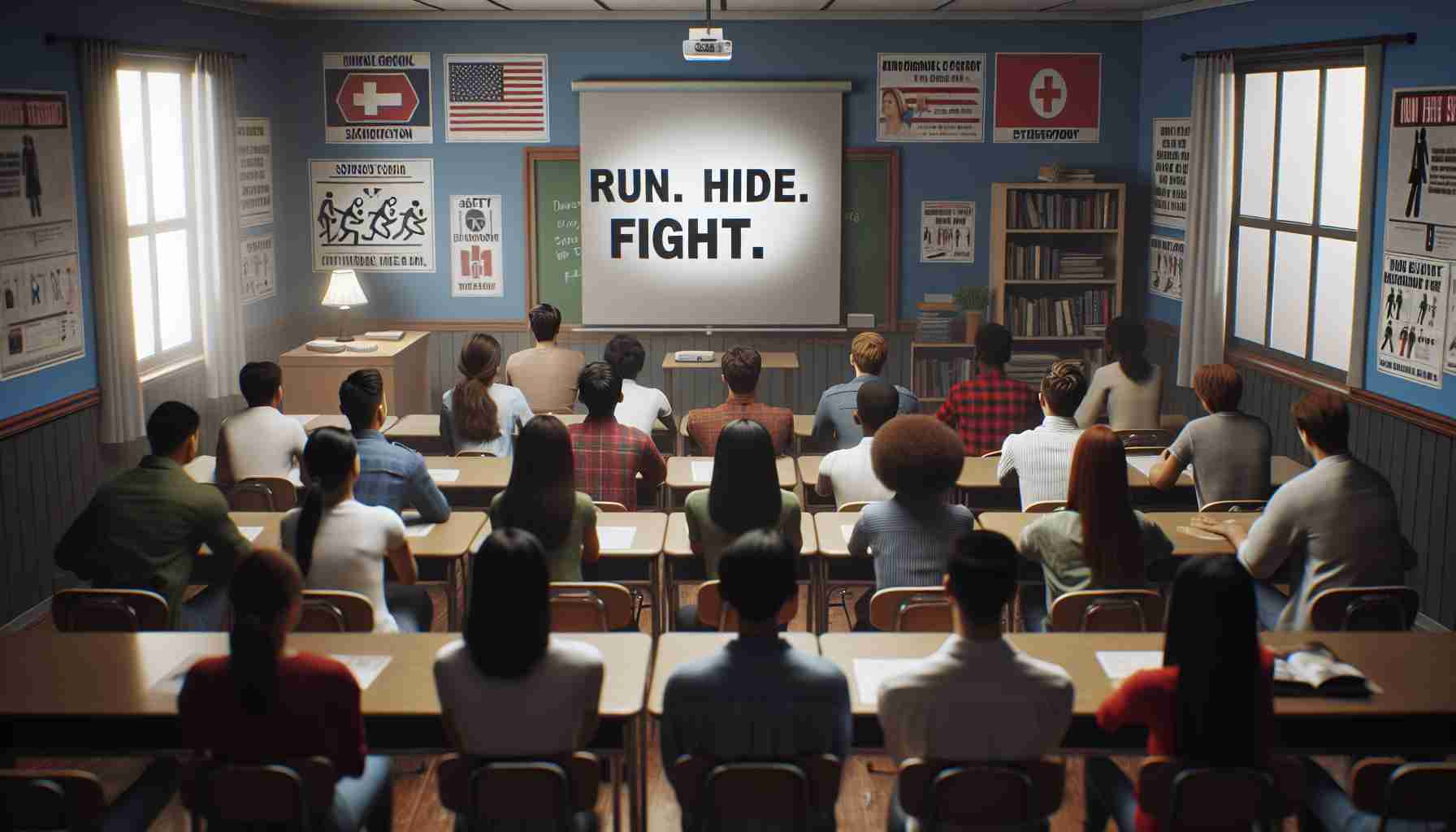
The FBI’s training materials have historically promoted the Run. Hide. Fight. protocol, but recent discussions have led to a broader examination of effective engagement tactics. The FBI has begun to incorporate insights from recent incidents and feedback from law enforcement and emergency responders into its training programs. This evolution in training reflects a growing recognition that the dynamics of active shooter situations are complex and that a one-size-fits-all approach may not be sufficient.
Moreover, the importance of psychological preparedness cannot be overstated. Experts emphasize that individuals must be mentally equipped to respond to emergencies, which includes understanding their options and feeling confident in their ability to act. Training programs that empower individuals to take decisive action can enhance community resilience and potentially save lives. The emphasis on psychological readiness aligns with findings from the U.S. Secret Service National Threat Assessment Center, which indicates that many active shooter events are preventable and that early intervention can mitigate risks.
As educational institutions like Case Western Reserve University implement training videos and programs to educate their communities about active shooter responses, the conversation around the effectiveness of these protocols continues to evolve. While the Run. Hide. Fight. protocol remains a foundational element of active shooter training, the emergence of alternative strategies and the emphasis on empowering individuals to take action reflect a broader understanding of the complexities involved in responding to such crises. The ongoing dialogue among security experts, law enforcement, and educational institutions will be crucial in shaping future training initiatives and ensuring that communities are equipped to handle the challenges posed by active shooter incidents.
The Role of Online Training Resources in Public Safety Education
The release of Case Western Reserve University’s (CWRU) new online training video as part of the Run. Hide. Fight. program marks a significant step in enhancing public safety education on campus. The advantages of online training, particularly in the context of busy academic environments, cannot be overstated. For students, faculty, and staff who often juggle multiple commitments, the ability to access training resources at their convenience is invaluable. This flexibility allows individuals to engage with critical safety protocols without the constraints of traditional in-person sessions, which may not fit into their schedules.
Moreover, the three-minute video serves as an effective introduction and refresher for the Run. Hide. Fight. protocol, ensuring that even those who cannot attend in-person training can still familiarize themselves with essential safety measures. This approach aligns with broader trends in education, where online resources are increasingly utilized to enhance learning outcomes. For instance, the United Nations has expanded its e-learning offerings to provide accessible courses on various topics, demonstrating the global shift towards online education as a means of skill enhancement.
However, while online training offers significant benefits, it is essential to recognize its limitations. In-person training sessions provide tailored, hands-on guidance that online formats cannot replicate. The interactive nature of face-to-face training allows for real-time feedback and the opportunity to practice skills in a controlled environment, which is particularly crucial in emergency preparedness scenarios. Adam Gilmore, captain of community policing and education at CWRU, emphasizes that the video is not a replacement for in-person training but rather a complementary resource aimed at achieving comprehensive preparedness across the campus community.
The effectiveness of public safety training is further underscored by initiatives from other organizations. For example, the U.S. Army Communications-Electronics Command (CECOM) has adopted a blended approach to training, incorporating both online and in-person methods to enhance readiness against active shooter scenarios. Their updated training protocols reflect a growing recognition of the need for flexibility and adaptability in response strategies, particularly in light of the increasing frequency of such incidents.
Additionally, experts are re-evaluating traditional active shooter response tactics, advocating for a more nuanced understanding of how to respond effectively in crisis situations. The shift from the conventional Run. Hide. Fight. model to alternatives like Avoid, Deny, Defend highlights the importance of ongoing training and education in adapting to evolving threats. This evolution in training methodologies emphasizes the need for educational institutions to remain vigilant and responsive to the changing landscape of public safety.
In conclusion, while online training videos like CWRU’s represent a valuable tool in public safety education, they should be integrated into a broader strategy that includes in-person training. This blended approach ensures that individuals are not only informed but also equipped with the practical skills necessary to respond effectively in emergencies. As educational institutions continue to navigate the complexities of safety training, the collaboration between online resources and traditional methods will be crucial in fostering a culture of preparedness and resilience within campus communities.
Community Response and Legislative Measures to Combat Gun Violence
The rising tide of gun violence in schools and universities has sparked a profound community response, reflecting a collective urgency to address this pressing issue. Recent statistics paint a stark picture: over 800 individuals have been killed by gun violence in American K-12 schools since 1966, with a significant uptick in incidents in recent years. The K-12 School Shooting Database reports that 2023 alone saw 346 incidents, a number that underscores the alarming trend of increasing violence in educational settings. This surge has prompted communities to engage in discussions about safety measures and legislative actions aimed at preventing further tragedies.
In light of these statistics, various legislative measures have been proposed to enhance safety in schools. Among the most discussed are secure firearm storage laws, which would require gun owners to store firearms in a manner that prevents access by minors and individuals at risk of committing violence. This approach aims to reduce the likelihood of firearms falling into the wrong hands, particularly in households with children. Additionally, universal background checks for all gun sales, including private transactions, have gained traction as a means to prevent firearms from being purchased by individuals with dangerous histories. These measures are part of a broader strategy advocated by organizations like Everytown Research, which emphasizes the need for comprehensive approaches to combat gun violence in schools.
The importance of fostering safe school environments cannot be overstated. Creating a culture of trust and safety within educational institutions is essential for encouraging students to report concerning behaviors and seek help when needed. This proactive approach is complemented by crisis assessment programs designed to identify and support students in crisis before they resort to violence. Such initiatives are crucial, especially considering that many active shooter events are preventable, with most attackers having exhibited warning signs prior to their actions.
Community engagement plays a pivotal role in these efforts. Schools are increasingly recognizing the need to involve parents, local organizations, and law enforcement in discussions about safety and prevention strategies. By fostering collaboration among these stakeholders, communities can develop tailored solutions that address the unique challenges they face. For instance, some districts have implemented random metal detector screenings and increased police presence during school hours, reflecting a commitment to ensuring student safety.
Moreover, the conversation around gun violence in schools has led to a reevaluation of traditional emergency response protocols. The widely recognized “Run, Hide, Fight” strategy, while still prevalent, is being scrutinized for its effectiveness in the face of rapidly escalating violence. Experts argue for a shift towards more nuanced training programs that empower individuals to take action against shooters rather than solely relying on law enforcement, which may not arrive in time to prevent casualties. This evolving dialogue highlights the need for continuous adaptation of safety protocols to better equip students and staff for potential threats.
The tragic events that have unfolded in schools across the nation have left lasting scars on students, staff, and families. The psychological impact of gun violence is profound, with many students experiencing fear and trauma as a result of these incidents. Addressing mental health issues among youth is a critical component of any comprehensive strategy to combat gun violence. Schools are increasingly implementing measures to support mental health, recognizing that fostering a supportive environment can help mitigate the risk of violence.
In conclusion, the community response to the increasing incidents of gun violence in schools and universities reflects a collective determination to create safer educational environments. By advocating for legislative measures, fostering safe school climates, and engaging communities in proactive discussions, stakeholders are working towards a future where students can learn without the fear of violence. The path forward requires a multifaceted approach that addresses the root causes of gun violence while prioritizing the safety and well-being of all students.
Conclusion: A Call to Action for Enhanced Campus Safety
The recent release of the Run. Hide. Fight. training video by Case Western Reserve University (CWRU) highlights a critical response to the alarming rise in active shooter incidents across the United States. With a reported 60% increase in such events since 2019, the urgency for effective training and preparedness has never been more pronounced. The video serves as an accessible resource for the campus community, aiming to equip students, faculty, and staff with essential knowledge to respond effectively in emergencies. This initiative reflects a broader commitment to fostering a culture of safety and awareness, particularly as many individuals struggle to find time for in-person training sessions.
However, while the video is a valuable tool, it is essential to recognize that it cannot replace the comprehensive benefits of hands-on training. In-person sessions provide tailored guidance and allow participants to engage in realistic scenarios, which can significantly enhance their preparedness. Moreover, the conversation around campus safety must extend beyond training alone. Legislative measures, community engagement, and mental health support are equally vital in addressing the root causes of violence and ensuring a holistic approach to safety.
As educational institutions grapple with the rising threats of gun violence, it is imperative to adopt a multifaceted strategy that combines effective training with proactive community involvement and legislative action. This approach not only empowers individuals to respond to crises but also fosters a safer environment for all members of the campus community. Ongoing dialogue and collaboration among stakeholders will be crucial in creating resilient educational settings that prioritize the well-being of students, faculty, and staff.
Reference:
Public Safety Launches New Run. Hide. Fight. Training Video
CECOM Enhances Safety Protocols During Antiterrorism Awareness Month
Experts Question Effectiveness of ‘Run, Hide, Fight’ Tactics in Active Shooter Situations
K-12 School Shooting Statistics: A Comprehensive Overview
A Comprehensive Plan to Combat Gun Violence in Schools
Impact of COVID-19 on Online Learning in Higher Education: A Bibliometric Analysis
Understanding Disaster Recovery: Importance, Strategies, and Implementation
United Nations Offers Extensive e-Learning Courses to Enhance Skills
Exploring Specialist Roles and Career Pathways in Victoria Police
804 People Have Been Killed by Guns at U.S. Schools