
The Evolving Landscape of University Rankings and Their Impact on Student Choices
On August 27, 2024, Washington Monthly released its annual college rankings, showcasing the University of California-Davis (2024 USNews Ranking: 28) (UC Davis) as the 11th best public university and 26th overall among 438 national universities. This recognition is a testament to UC Davis’s commitment to academic excellence, social mobility, and community service. In the Western region, UC Davis ranked 28th for best value universities and 21st among public institutions. Notably, in a new ranking focused on women’s performance in STEM (Science, Technology, Engineering, and Mathematics) fields, UC Davis secured the 14th position in civil engineering. Other campuses within the University of California system also performed admirably, with UC Berkeley, UCLA, and UC San Diego ranking 2nd, 7th, and 9th, respectively.
The rankings are based on three equally weighted categories: social mobility, research, and community and national service. The editors of the rankings emphasized that the top-ranked universities excelled across all metrics, rather than in just one area. Additionally, UC Davis received recognition in the Princeton Review’s “2025 Best 390 Colleges,” ranking 7th in impact among public universities, 27th in best value, and 15th in career placement. UC Davis also appeared in unranked lists for best value, green universities, and best Western universities.
As a world-class institution, UC Davis is highly regarded for its transformative student life, impactful research, academic program excellence, and sustainability efforts. The university values self-assessment and appreciates the importance of third-party evaluations. However, it acknowledges that ranking methodologies vary, evolve over time, and can be subjective. UC Davis focuses on rankings that align with its mission and values, including public service, inclusivity, equity, and social mobility. In national rankings, UC Davis prioritizes its standing among public universities.
In light of these rankings, UC Davis encourages prospective students and their families to consider factors beyond rankings when selecting a university. Engaging with advisors and UC Davis admissions counselors, as well as visiting the campus when possible, are essential steps in making an informed decision.
The Impact of University Rankings on Student Enrollment Decisions
University rankings significantly influence student enrollment decisions, shaping perceptions of institutional quality and desirability. A study published on February 23, 2024, in Scientific Reports highlighted the disparities faced by Asian American students in applying to top universities. The research analyzed 685,709 applications, focusing on 292,795 Asian and white students at 11 highly selective institutions, known as the “Ivy-11.” The findings revealed that Asian applicants had a 28% lower chance of admission compared to equally qualified white applicants, with South Asian students facing an even steeper decline of 49%.
This disparity can be attributed to two primary factors: the preference for legacy applicants in admissions processes and geographical biases that disadvantage certain regional students. The study aims to contribute to discussions on equity in higher education, particularly regarding the systemic barriers faced by Asian American students.
The debate over whether selective universities discriminate against Asian American applicants has persisted for decades. In the 1980s, Brown University and Stanford University reviewed their admissions policies, with Brown identifying discriminatory practices while Stanford found no clear evidence. In 1990, the U.S. Department of Education’s Office for Civil Rights investigated Harvard University for potentially limiting Asian student admissions, concluding that Asian applicants were admitted at lower rates than similarly qualified white students. The Supreme Court’s 2023 ruling against Harvard’s unconstitutional racial balancing further complicates the landscape of college admissions.
The implications of these findings extend beyond individual universities, as they highlight the broader societal issues of equity and access in higher education. As UC Davis and other institutions strive to improve their rankings, they must also consider the ethical implications of their admissions practices and the impact on diverse student populations.
Comparison of Ranking Methodologies Used by Different University Ranking Organizations
The methodologies employed by various university ranking organizations can significantly affect the outcomes and perceptions of institutions. A recent article by Yi-Huang Shih, published on August 23, 2024, in Frontiers in Education, analyzed the 2024 QS World University Rankings, emphasizing the increasing global focus on sustainable development in higher education. The article highlighted the pressure on Taiwanese universities to enhance their international rankings to attract top academic talent.
Shih’s analysis revealed that while some Taiwanese universities improved their rankings, others experienced declines, often due to resource limitations. The article criticized the lack of transparency in ranking criteria, suggesting that universities may prioritize ranking outcomes over educational quality and social responsibility. This critique resonates with the experiences of UC Davis, which emphasizes its commitment to public service and social mobility in its mission.
As universities navigate the competitive landscape of rankings, they must balance the pursuit of higher positions with their core values and responsibilities to their communities. UC Davis’s focus on rankings that align with its mission serves as a model for other institutions seeking to maintain their integrity while striving for excellence.
The Role of Social Mobility in University Rankings and Its Implications
Social mobility is a critical factor in university rankings, reflecting an institution’s ability to provide opportunities for upward movement among its students. The recent challenges faced by The City College of New York, which experienced a website error indicating a missing page, serve as a reminder of the importance of accessibility and communication in higher education. Established in 1847, The City College of New York is one of the oldest public universities in the United States, known for its diverse academic programs and commitment to social service.
As universities like UC Davis prioritize social mobility in their rankings, they must also address the barriers that prevent underrepresented students from accessing higher education. The ongoing discussions surrounding equity in admissions practices, particularly for Asian American students, underscore the need for institutions to reevaluate their policies to ensure fair access for all.
Analysis of UC Davis’s Performance in STEM Fields Compared to Other Universities
UC Davis’s performance in STEM fields is particularly noteworthy, as evidenced by its ranking in civil engineering and the broader context of the Sacramento region’s STEM job market. On August 12, 2024, Sacramento was recognized as one of the friendliest cities for STEM careers, ranking fifth nationally, despite being 46th in available job opportunities. This paradox highlights the region’s potential for growth in STEM fields, bolstered by the presence of institutions like UC Davis and Sacramento State University.
Lance Hastings, CEO of the California Manufacturers and Technology Association, emphasized the importance of infrastructure and support from local universities in fostering a conducive environment for STEM careers. As UC Davis continues to produce skilled graduates in STEM disciplines, the university plays a vital role in shaping the future workforce and addressing the demand for talent in the region.
The challenges faced by Sacramento in terms of job availability must be addressed through collaboration between educational institutions and local industries. By aligning academic programs with workforce needs, UC Davis can enhance its impact on the local economy and contribute to the growth of the STEM sector.
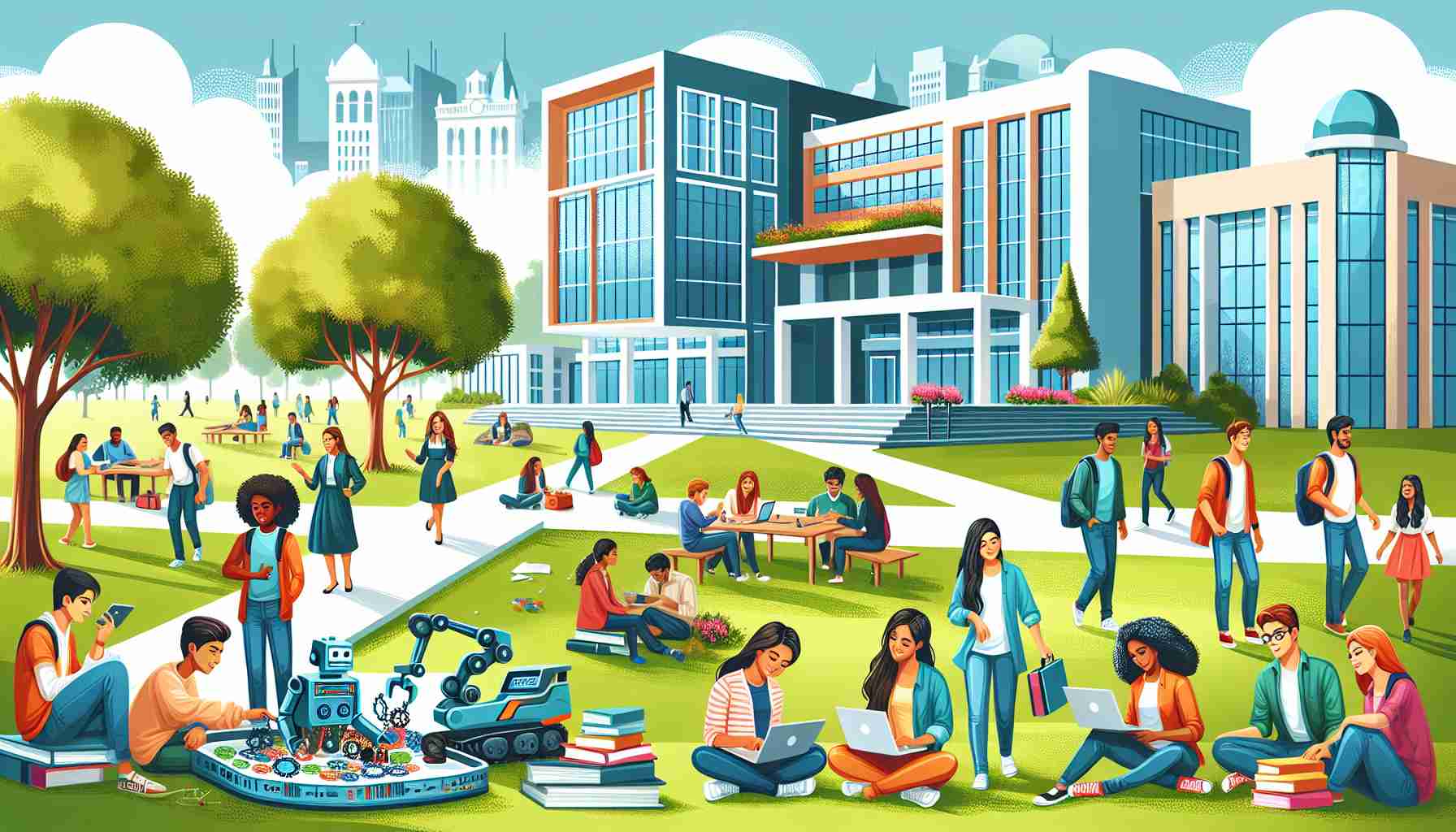
The Importance of Campus Visits and Personal Interactions in the College Selection Process
As the landscape of higher education evolves, the importance of campus visits and personal interactions in the college selection process cannot be overstated. The anticipated enrollment crisis, driven by economic uncertainty and concerns about the return on investment in higher education, has prompted universities to rethink their recruitment strategies. Experts predict a significant decline in enrollment numbers by 2025 or 2026, as students grapple with the financial implications of attending college.
Elaine Rubin, Director of Corporate Communications at Edvisors, noted that students are increasingly anxious about college costs and student loan debt, leading them to scrutinize the ROI of their educational investments. A recent survey by Niche revealed that 96% of students face challenges during the college application process, with less than a quarter feeling confident about affording tuition.
In response to these challenges, universities must leverage technology to enhance engagement with prospective students. Strategies such as expanding online learning opportunities, accelerating student employment pathways, and optimizing the application process can help institutions attract and retain students. Additionally, fostering face-to-face interactions remains crucial, as research indicates that personal connections can significantly influence students’ enrollment decisions.
As UC Davis encourages prospective students to consider factors beyond rankings, the emphasis on campus visits and personal interactions aligns with the university’s commitment to providing a supportive and inclusive environment. By facilitating meaningful connections between students and the campus community, UC Davis can enhance its appeal to prospective students and their families.
Conclusion
The recent rankings released by Washington Monthly highlight the achievements of UC Davis as a leading institution in the United States, particularly in the realms of social mobility, research, and community service. As the university navigates the complexities of higher education, it must remain vigilant in addressing the challenges posed by disparities in admissions practices, the impact of ranking methodologies, and the importance of fostering a supportive environment for all students.
The discussions surrounding university rankings, social mobility, and the role of STEM education underscore the need for institutions to prioritize equity and access in their admissions processes. As UC Davis continues to excel in its academic programs and community engagement, it serves as a model for other universities striving to balance the pursuit of excellence with their commitment to public service and social responsibility.
In an era marked by economic uncertainty and shifting demographics, the importance of campus visits and personal interactions in the college selection process cannot be overlooked. By fostering meaningful connections and providing a supportive environment, UC Davis can continue to attract and retain a diverse student body, ensuring its place as a leader in higher education for years to come.
News References:
- UC Davis Recognized for Excellence in Rankings
- Disparities in College Admissions for Asian American Applicants
- Higher Education for Sustainable Development in Taiwan
- Page Not Found – The City College of New York
- Sacramento Ranks High for STEM Careers but Lacks Job Opportunities
- The Enrollment Cliff: How Technology Can Help Higher Education Confront It