
For many international students, the hardest weeks of the year are not exam weeks but the breaks. When residence halls empty out for Thanksgiving or winter recess and a flight home is too long or too expensive, campus can feel very quiet. Many U.S. colleges run hosting and friendship programs that pair international students with local volunteers for a meal, a holiday celebration or a longer friendship. This guide explains the main types of programs, how they work, using Purdue University’s Host-A-Boiler program and two college friendship-family programs as examples, and how to make the most of them.
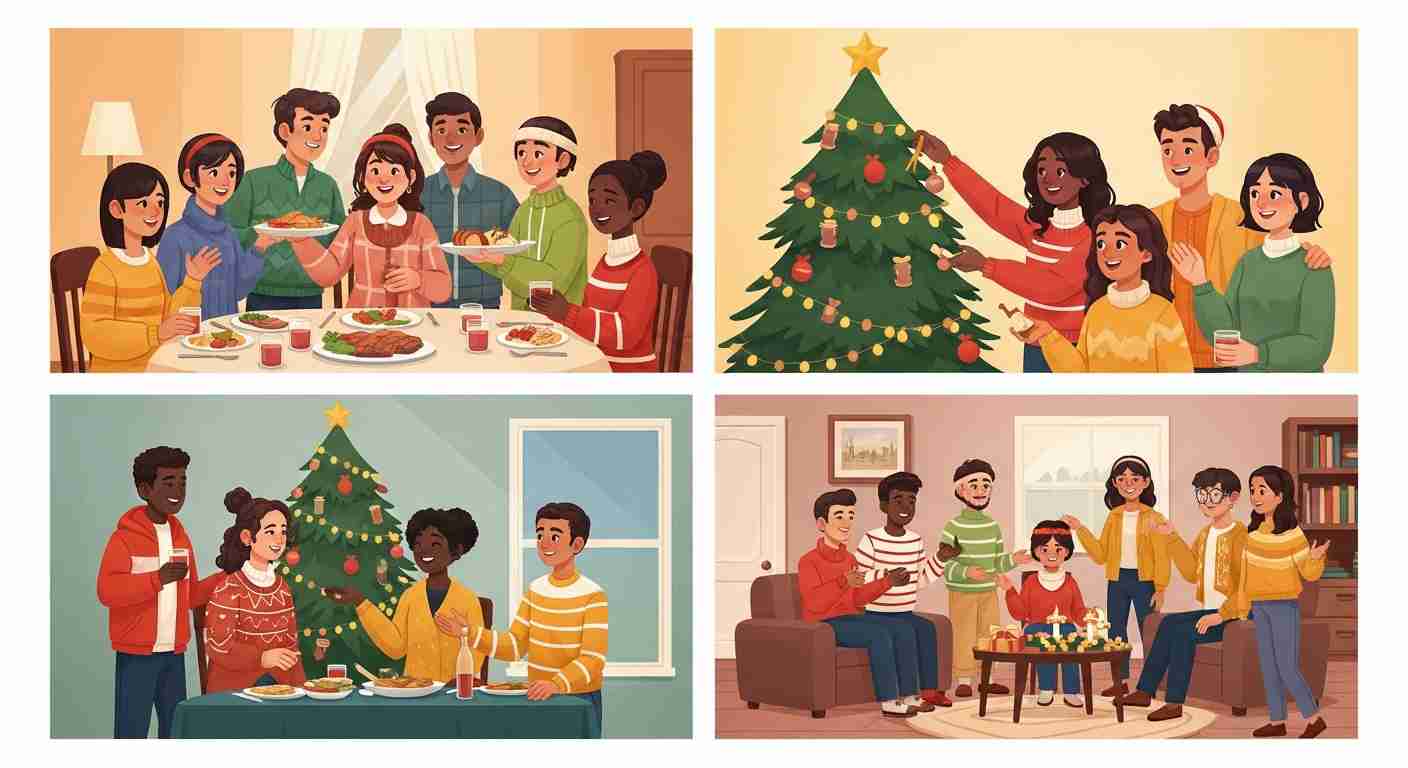
Three kinds of programs
- Holiday hosting: a one-time meal or activity with a local family or individual during a school break. No overnight stay is involved. Purdue’s Host-A-Boiler is a typical example.
- Friendship family (or friendship partner) programs: a student is matched with a local volunteer family for the academic year. The student keeps living on campus; the family invites the student to meals, outings and holidays. Reed College and Whitman College run programs of this kind.
- Homestays: the student actually lives with a host family, usually for a fee paid to the family. Homestays are more common at community colleges, English-language programs and some smaller colleges, and terms vary from school to school, so read the program’s own rules carefully before you sign anything.
Example: Purdue’s Host-A-Boiler
Purdue University, home to nearly 9,500 students from around the world, created Host-A-Boiler more than 10 years ago for international students who stay in the Lafayette area over school breaks. Hosts include Purdue faculty and staff, domestic students with families and other residents of Greater Lafayette. Each host offers a one-time get-together, such as a meal or an activity; it is not an overnight stay. About 100 students sign up each year for the winter break program. For winter recess 2025, community members could sign up to host from December 1 to 17 (Purdue Today, December 2, 2025).
Hosts register through an online host account, choose the current semester’s program and enter their match preferences. The program page says the meetup is preferably held in the host’s home, and the host sends the invitation and meeting details to the matched students. As of November 2026 the page invites hosts for the 2026 Thanksgiving Host-A-Boiler, and the program can be reached at [email protected] (Purdue ISS, Host-A-Boiler).
Examples: year-long friendship programs
Reed College (Portland, Oregon). Reed’s International Friendship Program is run by the Office of International Student Services with volunteers from the local community. Hosts are asked to befriend students, introduce them to the local community and support their experience at Reed; many help new students settle in and offer to pick them up from the airport. Hosts are not expected to provide room and board, since most international students live on campus. The program is built around the first year, and most pairs get together at least once a month. Host applications for 2026–27 ran from mid-April to July 1, with orientation and matching in July before new students arrive in mid-August (Reed College ISS).
Whitman College (Walla Walla, Washington). Whitman’s Friendship Family Program is non-residential: families are local volunteers interested in cultural exchange, many of them Whitman staff, faculty or alumni, and they are not expected to provide housing. Families are asked to see their student in person a couple of times each semester and to attend events organized by the international student office; many pairs meet at least once a month. Matching takes into account preferences such as geographic origin, languages and family situation. Families are not reimbursed for expenses, so the college suggests that students offer to pay for themselves (Whitman College ISSS).
New programs keep appearing. The Evergreen State College in Olympia, Washington, announced in November 2025 a host family program for international students starting in spring 2026, tied to its 2025–2030 strategic plan, with flexible lengths of stay; hosts need to offer a private bedroom, while a shared bathroom is acceptable (South Sound Talk, November 4, 2025).
How to find a program at your school
- Start with your international student office (often called ISS, ISSS or OIS). Look for pages titled “friendship family,” “host family,” “community friends” or “holiday hosting,” or ask an adviser directly.
- Watch your email and the office’s newsletter before Thanksgiving and winter break. Holiday programs usually open sign-ups only a few weeks in advance and match on a first-come basis.
- If your school has no formal program, ask whether local churches, civic groups or community international-friendship organizations work with the office. Choose groups the school knows, and meet new contacts in public places first.
- Check your housing plan for breaks at the same time. Some colleges close residence halls during winter break and charge extra or require a request to stay, while others, such as Whitman, house international students during breaks. Knowing where you will sleep comes before planning where you will eat.
Tips for a good experience
- Answer every invitation. Whitman’s guidance puts it plainly: it is more acceptable to decline an invitation than not to respond at all.
- Share dietary needs early. Tell your host about allergies, religious dietary rules or vegetarian diets when you accept, not at the table.
- Bring something small. A snack or dish from home, flowers or a card is a common way to thank a host. Offer to help with cleanup.
- Plan transportation. Many hosts live off campus. Confirm the address, time and how you will get there and back, especially in winter weather.
- Treat it as an exchange. Hosts sign up because they want to learn about your country and traditions too. Photos from home, a favorite recipe or a short explanation of your own holidays go a long way.
- Keep in touch. A one-time holiday dinner can turn into a lasting local connection, someone to call when you need advice about a doctor’s visit, a car or a job interview.
Why it matters
Breaks are when international students are most likely to feel isolated, and the first year is when building a local network matters most. Hosting programs cost students little or nothing, take only a few hours, and give them something orientation cannot: a personal connection with people who live in the community year-round. If your school offers one, it is worth signing up, even if you think you will be busy.
References
- Purdue Today: Sign up to Host-A-Boiler for the winter recess (December 2, 2025)
- Purdue ISS: Host-A-Boiler program
- Reed College: International Friendship Program
- Whitman College: Friendship Family Program
- South Sound Talk: Host family program at The Evergreen State College (November 4, 2025)
- Forward Pathway: Purdue University-Main Campus