
Introduction: Texas A&M’s Online Education Success
Texas A&M University has recently made waves in the realm of online education, clinching top spots in the 2025 U.S. News and World Report rankings for its graduate and professional programs. This achievement is not just a feather in the university’s cap; it reflects a significant shift in the higher education landscape, where online learning is increasingly becoming a viable alternative to traditional classroom settings. With the world becoming more interconnected and students seeking flexibility, the rise of online education is reshaping how we perceive and engage with learning.
The rankings highlight Texas A&M’s prowess, particularly in fields like business, education, engineering, and nursing, where it has achieved first-place finishes. This is monumental, especially when considering the diverse demographics of students enrolling in these programs. As more individuals, including veterans and working professionals, seek advanced degrees while balancing other commitments, the demand for high-quality online education has skyrocketed. Texas A&M’s commitment to providing robust online programs is a testament to its adaptability in meeting these evolving needs.
But why do these rankings matter? In the broader context of higher education, rankings serve as a barometer for quality and institutional reputation. They not only influence student enrollment decisions but also impact funding opportunities and partnerships. As universities vie for prestige, the implications of these rankings extend beyond mere bragging rights; they can shape the trajectory of institutions and the experiences of their students. For Texas A&M, maintaining its position among the elite online educators solidifies its status as a leading institution in Texas and the Southeastern Conference (SEC), further enhancing its appeal to prospective students.
Moreover, the significance of support services for veteran students cannot be overstated. Texas A&M has been recognized for its dedication to providing tailored resources for veterans, which is crucial as they navigate the transition from military to civilian life. The rankings reflect not just academic excellence but also the university’s commitment to fostering an inclusive environment that recognizes the unique challenges faced by veteran students. This focus on support services is vital, as it can enhance retention rates and overall student satisfaction, ensuring that veterans receive the education they deserve.
As we delve deeper into this commentary, we’ll explore the impact of online education on traditional learning models. We’ll examine how these programs are reshaping educational practices, drawing insights from various studies that compare online and face-to-face learning outcomes. Additionally, we’ll discuss the importance of support services for veteran students, showcasing how Texas A&M and other institutions are paving the way for inclusive education. Finally, we’ll analyze the role of rankings in shaping institutional reputation, emphasizing the intricate relationship between accreditation, quality standards, and the competitive landscape of higher education.
So buckle up, dear readers! The journey through the evolving world of online education, veteran support services, and the significance of rankings is just beginning, and it’s bound to be enlightening.
The Rise of Online Education: Impact on Traditional Learning Models
As we dive into the impact of online education on traditional learning models, it’s essential to recognize that this shift isn’t merely a trend; it represents a fundamental transformation in how education is delivered and experienced. With the rise of online learning, many universities, including Texas A&M, are rethinking their approaches to education, adapting to the needs of a diverse student body that increasingly favors flexibility and accessibility.
A study titled “A Comparative Analysis of Student Performance in Online vs. Face-to-Face Environmental Science Courses” sheds light on this phenomenon. Researchers from Fort Valley State University analyzed the performance of 548 students over an eight-year period, revealing that academic outcomes for students in online courses were comparable to those in traditional face-to-face classes. This finding is particularly significant as it suggests that the modality of instruction may not be the sole determinant of student success, especially for non-STEM majors in environmental science. It underscores the potential of online education to democratize learning, allowing students to thrive regardless of their geographical constraints or personal circumstances.
However, let’s not gloss over the nuances. While the flexibility of online learning is a game-changer, it does come with its own set of challenges. For instance, the lack of immediate feedback and social engagement that typically accompanies in-person classes can lead to feelings of isolation among online students. This is a critical point to consider, especially as universities strive to create engaging and interactive learning environments. The challenge lies in finding ways to foster community and connection in virtual spaces, ensuring that students feel supported and motivated throughout their academic journeys.
In the realm of medical education, another study published in BMC Medical Education explored the effectiveness of blended teaching models, specifically combining Small Private Online Courses (SPOCs) with flipped classrooms for nuclear medicine trainees. The results were compelling: students in the experimental group outperformed their peers in traditional lecture-based learning, not only in assessments but also in motivation and overall satisfaction. This innovative approach highlights how blended learning can enhance educational quality, particularly in fields where hands-on experience and practical skills are paramount. It indicates that when thoughtfully designed, online components can complement traditional methods, enriching the learning experience and preparing students for real-world challenges.
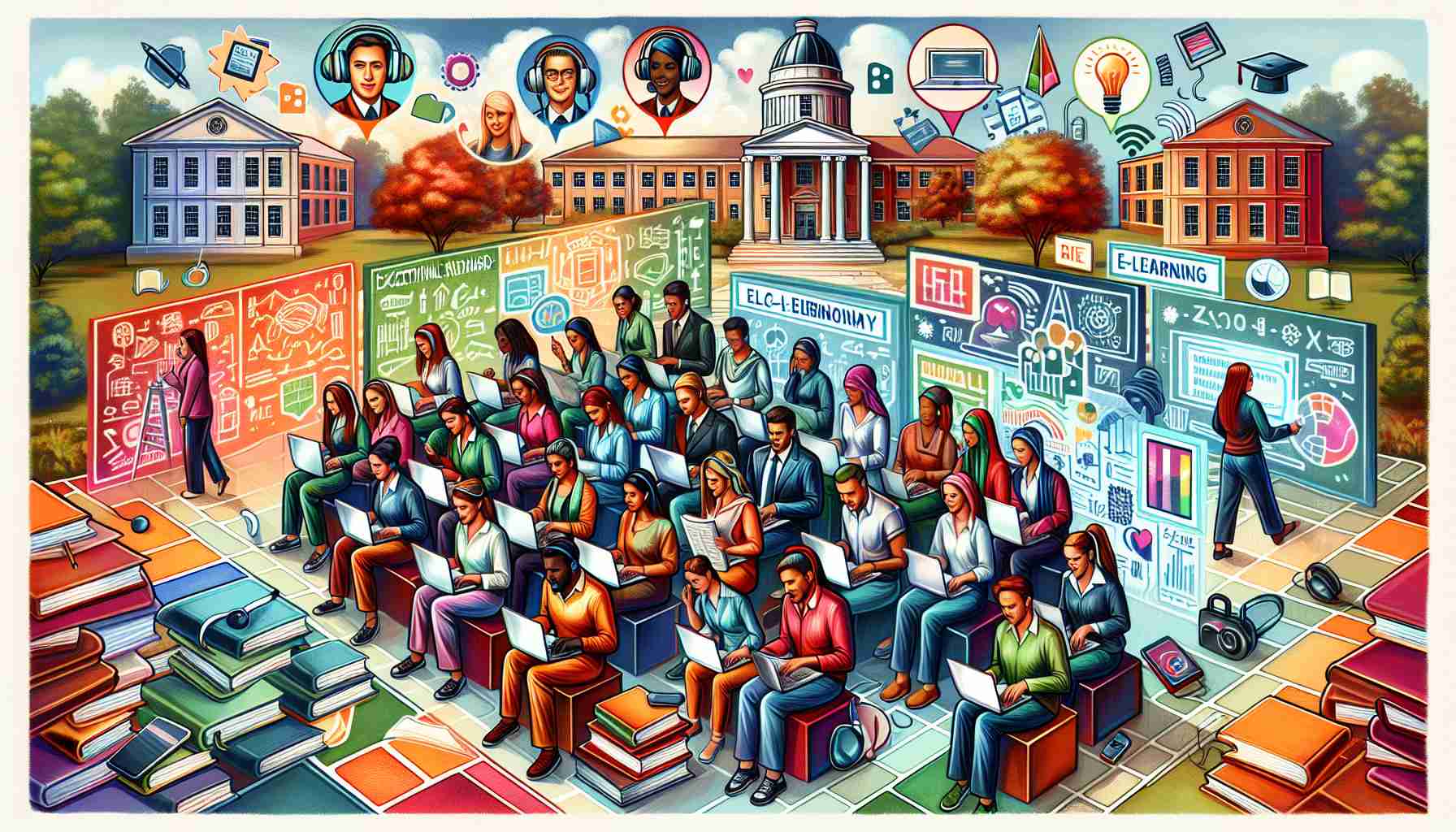
As more institutions incorporate online learning into their curricula, the implications for universities are profound. They must adapt to an educational landscape that increasingly favors flexibility and personalized learning experiences. This means investing in technology, training faculty to effectively engage students in virtual environments, and developing robust support systems to address the unique challenges that online learners face. The potential for increased enrollment in non-STEM fields through online education could be a boon for universities, broadening access and inclusivity in higher education.
Yet, as we celebrate these advancements, it’s vital to remain cognizant of the disparities in access to technology and resources that can hinder some students’ ability to fully engage in online learning. Institutions must prioritize equity in their online offerings, ensuring that all students, regardless of their backgrounds, can benefit from the educational opportunities available to them.
In the wake of the COVID-19 pandemic, the urgency to refine online learning strategies has never been more pronounced. A bibliometric analysis conducted by researchers from the University of Ljubljana highlighted significant trends in online education research, emphasizing the need for effective pedagogical strategies and robust ICT infrastructure. As we navigate this evolving landscape, universities must remain agile, continually reassessing their approaches to meet the diverse needs of their student populations.
Ultimately, the rise of online education presents an opportunity for universities like Texas A&M to redefine what it means to deliver quality education. By embracing innovative teaching methods, prioritizing student engagement, and fostering inclusive environments, institutions can not only enhance their academic offerings but also solidify their reputations as leaders in the ever-changing world of higher education. As we move forward, the balance between online and traditional learning will undoubtedly shape the future of education, and it’s up to universities to lead the charge in this exciting new era.
Support Services for Veteran Students in Higher Education
The importance of support services for veteran students in higher education cannot be overstated, especially as institutions like Texas A&M University, Penn State World Campus, and Georgia Southern University are stepping up to create inclusive and supportive environments. Veterans face unique challenges as they transition from military to academic life, and tailored resources can significantly ease this process, enhancing both enrollment and retention rates.
Texas A&M has been recognized not just for its academic excellence but also for its commitment to veterans. The university has implemented various initiatives aimed at providing comprehensive support, including dedicated counseling services, mentorship programs, and academic advising tailored to the needs of military-affiliated students. These efforts are crucial in addressing the specific hurdles veterans encounter, such as adjusting to civilian life and navigating the complexities of educational benefits like the GI Bill. By fostering a supportive community, Texas A&M helps veterans feel more connected and engaged, which is essential for their academic success.
Similarly, Penn State World Campus has distinguished itself as a leader in online education for veterans, ranking second in the nation for its master’s engineering programs for veterans. The university offers a wide range of online degree and certificate programs, ensuring that veterans can pursue their educational goals from anywhere, without the constraints of geographical limitations. The institution’s commitment to affordability, through participation in the GI Bill and Yellow Ribbon Program, further alleviates financial burdens for veterans, making education more accessible. This proactive approach not only attracts veteran students but also significantly improves their chances of completing their degrees, as highlighted in recent reports emphasizing the importance of tailored support services.
Georgia Southern University (GSU) has also emerged as a military-friendly institution, earning recognition as a Military Friendly® School for its robust support systems. The university offers various resources, including fee waivers, scholarships, and dedicated Military Resource Centers located on its campuses. GSU’s Military Veteran Services (MVS) team plays a pivotal role in guiding veterans through the application process for VA benefits and financial aid. This personalized assistance is vital for veterans who may be unfamiliar with the academic landscape and the resources available to them. By providing a smooth transition into higher education, GSU enhances the likelihood of academic success and retention among its military-affiliated students.
A recent report from the George W. Bush Presidential Center underscores the necessity for comprehensive evaluations of existing veteran support programs, such as the Veterans Integration to Academic Leadership (VITAL) and VetSuccess on Campus (VSOC). These initiatives, while beneficial, are often underutilized due to a lack of awareness and coordination. The report advocates for increased outreach and education about these programs, which could significantly enhance veterans’ experiences in higher education. By ensuring that veterans are aware of the resources available to them, institutions can help mitigate the challenges they face and promote their academic success.
The unique challenges faced by veterans extend beyond academic concerns; they often involve mental health issues, social isolation, and difficulties in adjusting to civilian life. Therefore, it’s paramount for universities to adopt a holistic approach in their support services. This includes not only academic advising and financial assistance but also mental health resources and community-building initiatives. For instance, programs that foster peer connections among veterans can create a sense of belonging and support, which is essential for their overall well-being.
The potential impact of these support services on enrollment and retention rates is substantial. Institutions that prioritize veteran support can expect to see increased enrollment numbers as veterans seek out programs that cater to their specific needs. Moreover, when veterans feel supported and understood, they are more likely to persist through challenges and complete their degrees. This not only benefits the individuals involved but also enhances the institution’s reputation as a veteran-friendly environment, attracting even more students from this demographic.
In conclusion, the commitment of universities like Texas A&M, Penn State World Campus, and Georgia Southern University to providing tailored support services for veteran students is a crucial step in fostering an inclusive educational landscape. As we continue to explore the evolving world of higher education, it is clear that prioritizing the needs of veteran students is not just a moral imperative but also a strategic advantage for institutions aiming to enhance their enrollment and retention rates. By investing in comprehensive support systems, universities can help veterans thrive academically, paving the way for successful transitions into civilian life and meaningful careers.
The Role of Rankings in Higher Education Reputation
The significance of rankings in shaping the reputation of higher education institutions can hardly be overstated. They serve as a critical barometer of quality and prestige, influencing not only how institutions are perceived by prospective students but also affecting their funding, partnerships, and overall competitiveness. The recent U.S. News rankings, particularly Texas A&M University’s impressive performance, exemplify this phenomenon. Achieving top spots in various online graduate program categories not only solidifies Texas A&M’s reputation but also enhances its appeal to potential students, especially those seeking online education options.
When it comes to student enrollment decisions, rankings play a pivotal role. Prospective students often rely on these evaluations to gauge the quality of programs and the overall reputation of institutions. A high ranking can significantly boost an institution’s visibility, attracting more applicants and, consequently, increasing enrollment numbers. For Texas A&M, being recognized as a leader in online graduate education positions it favorably in a crowded marketplace, ensuring that it stands out to students who are increasingly inclined to pursue flexible learning options. This is particularly relevant in today’s educational climate, where many students juggle work and family commitments alongside their studies.
Moreover, the implications of rankings extend beyond enrollment figures. They can also influence institutional funding, as state and federal resources may be allocated based on perceived quality. Universities with higher rankings often find it easier to secure grants and donations, as stakeholders are more inclined to invest in institutions that demonstrate a commitment to excellence. This financial backing is crucial for maintaining and enhancing educational programs, conducting research, and providing support services, all of which further contribute to a university’s reputation.
However, the relationship between rankings and reputation is complex and multifaceted. A systematic review titled “Reputation in Higher Education” highlights that reputation is built over time through the experiences of students, faculty, and alumni. It emphasizes that while rankings can enhance an institution’s profile, they are not the sole determinant of reputation. Factors such as stakeholder relationships, academic rigor, and the quality of faculty also play significant roles. Institutions must navigate these variables carefully to maintain and improve their standings in the competitive landscape of higher education.
One of the challenges universities face in this context is the need to meet accreditation standards, which are essential for enhancing institutional reputation. Accreditation serves as a quality assurance mechanism, ensuring that educational institutions adhere to predefined standards of excellence. This process involves rigorous evaluations by external bodies that assess various aspects of an institution, including curriculum design, faculty qualifications, and student support services. Institutions that achieve and maintain accreditation not only bolster their credibility but also become more attractive to prospective students and employers, as degrees from accredited institutions are generally recognized and respected.
For Texas A&M and similar institutions, the interplay between rankings and accreditation is critical. While high rankings can attract students, they must also ensure that they meet the necessary quality standards to maintain their status. This is particularly important as the landscape of higher education continues to evolve, with increasing competition from both traditional universities and alternative educational providers. To remain relevant, institutions must not only focus on climbing the rankings but also invest in quality improvements that resonate with stakeholders and enhance the overall educational experience.
In conclusion, the significance of rankings in shaping the reputation of higher education institutions cannot be overlooked. For Texas A&M University, its recent achievements in the U.S. News rankings reflect a commitment to excellence that resonates with prospective students and stakeholders alike. However, as universities navigate this complex landscape, they must balance the pursuit of high rankings with the imperative to meet accreditation standards and foster genuine relationships with their communities. By doing so, they can enhance their reputations, attract a diverse student body, and ultimately fulfill their missions as educational institutions. The future of higher education will undoubtedly depend on how effectively universities adapt to these challenges while continuing to prioritize quality, accessibility, and inclusivity in their offerings.
Conclusion: The Future of Online Education and Institutional Strategies
As we look toward the future of online education and the strategies institutions must adopt to remain competitive, it’s clear that the landscape is evolving rapidly. The significance of online education is not merely a passing trend; it represents a fundamental shift in how we approach learning. With technological advancements and changing student needs, universities must embrace this transformation to stay relevant in an increasingly competitive market.
One of the most pressing strategies for universities is the expansion of online offerings. Institutions like Texas A&M have already demonstrated the potential of robust online programs, achieving top rankings in key areas. As more students seek flexible learning options, universities must prioritize the development of high-quality online programs that cater to diverse demographics, including working professionals and veterans. This includes not only maintaining academic rigor but also ensuring that the online learning experience is engaging and supportive. By investing in technology and faculty training, universities can create an online environment that mirrors the best aspects of traditional education while capitalizing on the flexibility that online learning offers.
Equally important is the enhancement of support services for students, particularly for veterans who face unique challenges in their transition to civilian life. The commitment of universities to provide tailored resources—such as academic advising, mental health services, and community-building initiatives—can significantly impact retention rates. Institutions must recognize that a supportive environment is crucial for student success. By fostering a sense of belonging and providing comprehensive resources, universities can help students navigate their academic journeys more effectively, ultimately leading to higher graduation rates and positive outcomes.
Moreover, as students increasingly scrutinize the return on investment (ROI) of their educational choices, universities must focus on demonstrating the value of their programs. This involves not only showcasing successful alumni and career outcomes but also ensuring that educational costs are manageable. Institutions should actively engage in discussions about financial accessibility, exploring options such as expanded financial aid and partnerships with industry to provide students with practical experience and job placement opportunities. By prioritizing ROI, universities can attract students who are looking for education that aligns with their career aspirations and financial realities.
The call for ongoing research and adaptation in higher education is essential. As the educational landscape continues to shift, institutions must remain agile, continually reassessing their strategies to meet the evolving needs of students. This includes investigating effective pedagogical practices, exploring innovative delivery methods, and staying attuned to technological advancements that can enhance the learning experience. By fostering a culture of continuous improvement, universities can ensure that they are not only meeting current demands but also anticipating future trends in education.
In conclusion, the future of online education hinges on the ability of universities to adapt and innovate. By expanding online offerings, enhancing support services, and focusing on the return on investment for students, institutions can position themselves as leaders in the higher education landscape. The journey ahead will undoubtedly be challenging, but with a commitment to quality, accessibility, and inclusivity, universities can rise to meet the opportunities and challenges presented by this changing environment. As we embrace this new era of education, the potential for transformative learning experiences is limitless, and it’s up to institutions to lead the way.
Reference:
- Texas A&M Graduate And Professional Online Education Dominates US News Rankings
- A Comparative Analysis of Student Performance in Online vs. Face-to-Face Environmental Science Courses
- Innovative Teaching Model Enhances Competency in Nuclear Medicine Training
- Impact of COVID-19 on Online Learning in Higher Education: A Bibliometric Analysis
- Penn State World Campus Ranked Among Best Online Programs by U.S. News for 2025
- Helping Veterans Achieve Their Potential With Higher Education Resources
- Georgia Southern University: A Military-Friendly Hub for Veterans and Active Duty Personnel
- Reputation in Higher Education: A Systematic Review
- World University Rankings 2025 Methodology Released
- The Importance of Accreditation and Rankings in Higher Education
- Concerns Emerge Over Graduate Enrollment Trends in U.S. Universities
- Purdue University Sees Record Enrollment and Applicant Demand for Fall 2024
- Graduate School Enrollment Declines: Concerns Rise Over Tuition Revenue for U.S. Universities
- Study Reveals Return on Investment for Tennessee’s Public College Degrees
- Texas A&M Bachelor’s Degree Offers Highest Return on Investment Among Texas Public Universities
- Colleges Must Emphasize Return-on-Investment to Attract Students