
Introduction: A Climate of Fear for International Students in the US
Hey guys, your friendly editor here, diving into some pretty heavy stuff today. You know, back in my university days, international students were a vibrant part of our community, enriching our classrooms and broadening our perspectives. But recently, the climate for these students in the U.S. seems to have shifted, and not for the better.
We’re seeing a concerning surge in visa revocations and increased scrutiny, creating a palpable sense of fear and uncertainty among international students. Remember those headlines about students being detained at Columbia and Tufts? These aren’t isolated incidents. They reflect a broader policy shift, particularly under the Trump administration, that’s making life incredibly difficult for many international students.
But amidst all this worrying news, there’s a beacon of hope: Boston University has just released a comprehensive resource guide aimed at supporting its international community during these trying times. It’s a testament to the university’s commitment to protecting its students and acknowledging their invaluable contributions. International students aren’t just here for an education; they bring diverse perspectives, drive innovation, and contribute significantly to the U.S. economy. Their presence enriches the academic environment and fosters cross-cultural understanding, something that’s more crucial now than ever.
This resource guide couldn’t have come at a better time. It’s a direct response to the pressing concerns about visas, legal rights, and international travel, offering practical advice and resources to help students navigate this complex landscape. In the upcoming section, we’ll delve into the specifics of the BU resource guide, breaking down its key recommendations and assessing how effective they are at protecting and informing international students. We’ll be covering everything from personal safety plans to understanding ICE protocols, so stick around.
The BU Resource Guide: A Comprehensive Overview of Support and Precautions
Alright, let’s chat about what this BU resource guide actually says, shall we? Big sister here, ready to break it all down for you.
First off, the guide emphasizes the importance of creating a personal safety plan. Now, this isn’t just about avoiding dark alleys; it’s about being prepared for a range of scenarios. The guide advises students to identify and memorize emergency contacts – people they trust and who are aware of their role in providing support. It also suggests authorizing these contacts to make legal and medical decisions, especially crucial for students who have children. I remember once having a minor accident during a road trip, and the first thing I did was call my emergency contact back home. Having someone who knows your situation and can advocate for you is invaluable, especially when you’re far from home.
Next up, the guide stresses the absolute necessity of carrying original immigration documents at all times. This includes the I-551 (green card), I-20 (certificate of eligibility for student status), DS-2019 (certificate of eligibility for exchange visitor status), I-797 (approval notice), I-94 (arrival/departure record), and, of course, your passport. Think of these documents as your lifeline – they prove your legal status in the U.S. and are essential for re-entry after travel. The guide wisely advises students to be mindful of expiration dates and to carry “Know Your Rights” cards, which outline their rights in case of an encounter with law enforcement.
Maintaining visa status is another critical point. The guide reminds students to adhere to all guidelines, such as maintaining a full course load and having adequate health insurance. Any changes in circumstances, like a change of address or academic program, should be promptly reported to the International Students & Scholars Office (ISSO). Trust me, staying on top of these details can save you a world of trouble down the line.
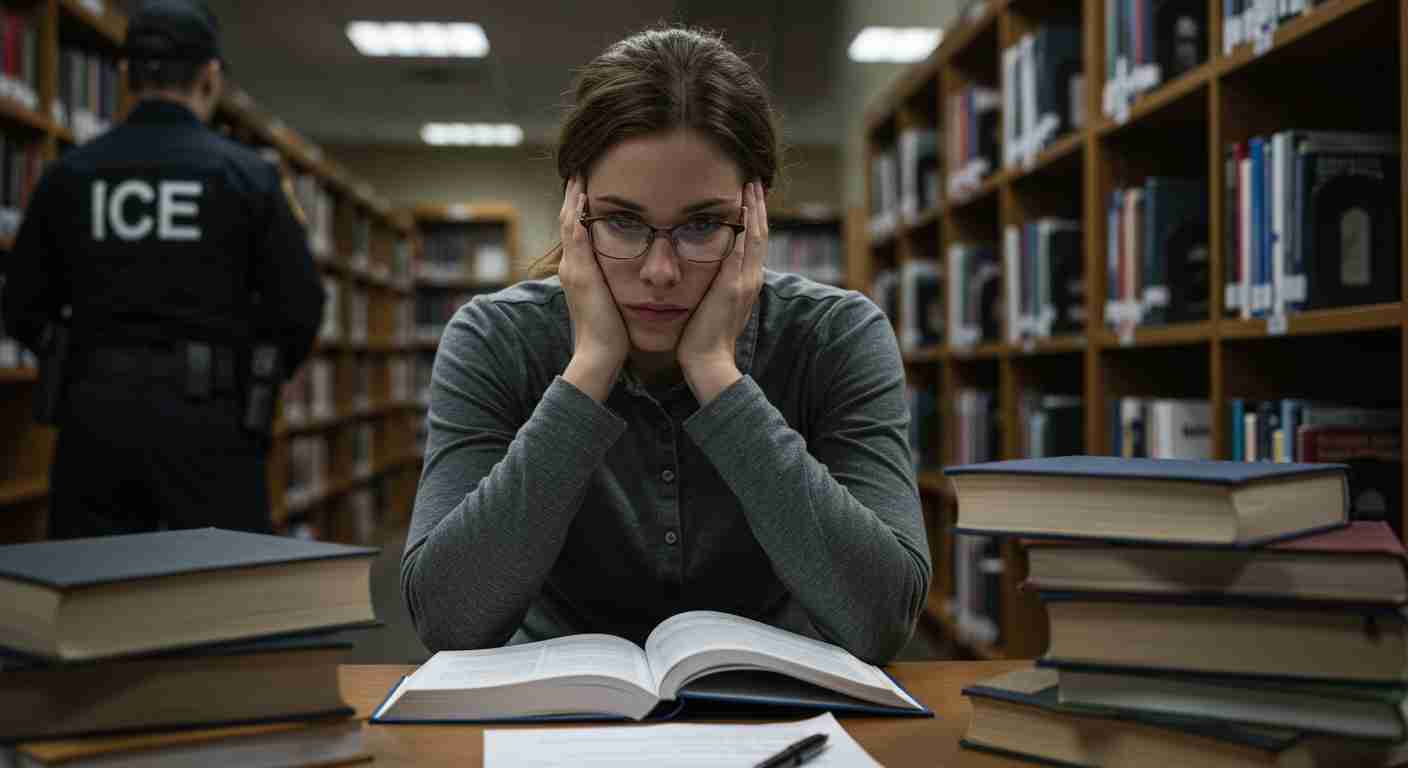
The guide also tackles the sensitive issue of ICE (Immigration and Customs Enforcement) presence on campus. It clarifies that the Boston University Police Department (BUPD) does not have the authority to enforce federal immigration law or inquire about immigration status. If approached by immigration officials, the guide advises students to remain calm, request them to wait while BUPD is contacted, and familiarize themselves with “Know Your Rights” guides. Knowing your rights is empowering and can help you navigate a potentially stressful situation with confidence.
For international students who need to travel, the guide strongly advises caution, especially if a new visa is required for re-entry. It recommends carrying hard copies of all immigration documents, ensuring their validity, and allowing extra time for connecting flights. Establishing a relationship with an immigration lawyer and having a backup plan in case of travel complications are also smart moves.
Beyond these core areas, the BU resource guide provides information on a range of other important topics. It offers guidance on summer housing accommodations, study abroad programs, and accessing legal and financial assistance. The guide lists several private immigration lawyers in the Boston/Cambridge area with experience working with BU students, as well as organizations that offer free or reduced-fee legal services. This is a fantastic resource for students who may not know where to turn for help.
The guide also addresses concerns about online activity, advising visa holders to be mindful of their social media posts and participation in protests. Immigration authorities may monitor this information, so it’s essential to be aware of the potential consequences of your online presence.
Finally, the guide mentions the University’s Student Emergency Assistance Fund, which provides financial assistance to students with unexpected expenses, although it doesn’t cover legal fees. While this fund may not cover all expenses, it can provide a much-needed safety net during challenging times.
Overall, the BU resource guide seems pretty effective in providing international students with essential information and practical advice. It covers a wide range of topics, from basic safety measures to navigating complex legal issues. By providing these resources, Boston University is empowering its international students to protect themselves and to feel more supported in an increasingly uncertain environment. I think it is a solid initiative, and hope other universities will implement similar guides.
The Broader Context: Examining the Reasons Behind Increased Visa Scrutiny and Revocations
Now, let’s get down to brass tacks and explore why this increased scrutiny is happening in the first place. Your friendly editor here, trying to make sense of it all. We have to acknowledge the elephant in the room: political and policy shifts are significantly contributing to the heightened pressure on international students.
One major factor is Secretary of State Marco Rubio’s directive to intensify social media checks for student visa applicants. I mean, can you imagine having your Instagram feed scrutinized to determine your eligibility to study? This initiative, stemming from concerns about individuals potentially critical of the U.S. and Israel, is outlined in a cable sent to diplomatic missions, essentially ordering consular officers to refer certain applicants to the fraud prevention unit for mandatory social media checks. It is giving big brother and clearly an infringement on free speech, but that’s just my two cents.
The administration’s focus on pro-Palestinian activism plays a significant role here, too. Following President Trump’s executive orders to deport foreign citizens with “hostile attitudes” and crack down on what he terms antisemitism, students involved in pro-Palestinian causes are finding themselves in the crosshairs. The dates cited in the directive—between October 7, 2023, and August 31, 2024—strongly suggest a focus on students expressing sympathy for Palestinians during the Gaza war.
But it’s not just about specific political issues; it’s also tied to broader efforts to reduce immigration overall. We’re seeing a shift in visa revocation criteria, moving away from traditional grounds like criminal convictions to include political actions and even minor infractions. Cases are popping up where students are losing their visas for seemingly trivial reasons, like traffic violations, or for reasons entirely unclear to college authorities. This is a stark departure from past practices where visa revocations were typically reserved for serious security issues.
This shift raises serious questions about the legal rights and protections afforded to international students under U.S. law. Specifically, the First Amendment, which guarantees freedom of speech, is coming into conflict with these new policies. As Elora Mukherjee, a clinical professor of law at Columbia Law School, pointed out, targeting a permanent resident based on their speech is unprecedented and potentially a violation of the First Amendment. The American Association of University Professors and the Middle East Studies Association have even filed a lawsuit, citing First Amendment violations, to block the administration’s large-scale immigration enforcement targeting noncitizen students and faculty.
So, how do these new policies clash with established constitutional rights? Well, the First Amendment protects the right to express political opinions, even if those opinions are critical of the government or its policies. By revoking visas based on social media activity or participation in protests, the government is essentially penalizing students for exercising their right to free speech. This could lead to self-censorship among international students, who may fear expressing their views openly for fear of jeopardizing their visa status.
Moreover, the lack of transparency and due process in these visa revocations is deeply concerning. Students are often given little to no explanation for why their visas are being revoked, making it difficult for them to challenge the decision. The government’s actions could be interpreted as a violation of the Fifth Amendment, which guarantees due process of law.
In short, the heightened scrutiny of international students is not just about tightening security; it’s about broader political and policy agendas that have significant implications for civil liberties and academic freedom. These policies not only create a climate of fear among international students but also undermine the values of free expression and open inquiry that are essential to a thriving academic community.
University Responses and Mental Health Support: Addressing the Impact on International Students
Hey guys, your friendly big brother here! Let’s dive into how universities are stepping up to the plate in response to this escalating crisis.
Across the U.S., universities are scrambling to create and bolster support systems for their international students. Think of it as a big hug from your academic family! For instance, Temple University (2025 USNews Ranking: 98) ‘s Global Engagement division is really focusing on this, combining resources within their International Student and Scholar Services (ISSS) and International Student Affairs (ISA). Back in my day, such comprehensive support was a rarity; it’s heartening to see universities recognizing the unique challenges faced by international students.
And it’s not just Temple. The University of Minnesota is also offering a wide array of support, including personal counseling, visa processing assistance, international travel guidance, and even mental health resources. It’s like they’re saying, “We’ve got your back, no matter what.”
These support systems are particularly crucial given the mental health challenges that international students often face. Cultural adjustment and social integration can be tough, especially when coupled with the stress of academic life and visa uncertainties. Remember, these students are often far from home, navigating a new language, new customs, and a whole new way of life. It’s a lot to handle!
That’s where university counseling services come in. They play a vital role in providing a safe space for students to discuss their concerns, whether it’s homesickness, culture shock, or anxiety about their immigration status. It’s about creating a sense of community and belonging, so international students don’t feel isolated or alone. I’ve always believed that a strong community is the best buffer against stress and uncertainty.
But are these schemes actually effective? Well, it’s a mixed bag. On one hand, having access to mental health resources, legal guidance, and cultural programs can be incredibly helpful. It provides students with the tools and support they need to navigate the challenges they face. On the other hand, the effectiveness of these schemes depends on several factors, including the accessibility of the resources, the cultural sensitivity of the staff, and the willingness of students to seek help.
I think it’s fantastic that universities are stepping up to provide support. But it’s essential to ensure that these support systems are truly meeting the needs of international students. This means listening to their concerns, addressing their specific challenges, and creating a welcoming and inclusive environment where they feel valued and supported. After all, these students are an integral part of our academic community, and we have a responsibility to ensure their well-being.
Conclusion: The Future of International Education in the US – A Call for Clarity and Support
Alright, let’s wrap this up, shall we? Your friendly editor here, ready to tie a bow on this important discussion.
As we’ve seen, the current climate for international students in the U.S. is fraught with challenges, from increased visa scrutiny to growing concerns about safety and well-being. It’s clear that we need greater clarity and transparency in immigration policies to ensure that these students are treated fairly and with respect. It is also important to be transparent about the reasons a student’s visa may be revoked.
Safeguarding international education is not just a matter of principle; it’s essential for the future of our universities and our society. International students bring diverse perspectives, drive innovation, and contribute significantly to the U.S. economy and the long term standing of the US as a world leader in many areas of study. Protecting their rights and promoting a welcoming environment on U.S. campuses is crucial for maintaining our academic leadership and fostering cross-cultural understanding.
Universities and government agencies must work together to address the challenges facing international students. This includes providing comprehensive support services, ensuring access to legal counsel, and advocating for fair and transparent immigration policies. We need to create a system that values the contributions of international students and protects their rights, rather than creating barriers and fostering fear.
The new regulations and increased scrutiny are undoubtedly having a negative impact on the appeal and attraction of U.S. universities. If international students feel unwelcome or unsafe, they may choose to study elsewhere, leading to a loss of talent, diversity, and economic contributions. Over the long term, this could significantly weaken the U.S.’s position as a global leader in education and research.
It’s time for a change. We need to reaffirm our commitment to international education and create a welcoming environment where all students can thrive. Only then can we ensure that U.S. universities continue to be centers of innovation, diversity, and global engagement.