
Introduction: AI’s Expanding Footprint and the University’s Response
As we mentioned, UF’s Career Connections Center is really stepping up to the plate, proactively adapting to the burgeoning influence of AI. But it’s not just about keeping up; it’s about preparing students to lead in this brave new world. I mean, let’s face it, AI is no longer some sci-fi fantasy—it’s reshaping industries faster than you can say “algorithm.”
And UF isn’t alone in recognizing this seismic shift. Universities across the nation are scrambling to revamp their career services, aiming to equip students with the tools they need to not just survive, but thrive, in an AI-dominated job market. From integrating AI into curricula to forging partnerships with industry giants, higher education is in a mad dash to stay relevant. It’s a wild time to be in college, isn’t it?
But why all the fuss? Well, the stakes are pretty darn high. The rise of AI isn’t just changing how we work, but also what skills are actually valuable. This means universities need to rethink their entire approach to career services, from offering personalized coaching to leveraging cutting-edge technology. And, of course, there are the ethical considerations—making sure AI is used responsibly and equitably. No pressure, right?
So, buckle up, because we’re about to dive deep into this topic. First, we’ll explore exactly how career services are evolving to meet the demands of the AI-driven landscape, with real-world examples of the cool stuff universities are doing. Then, we’ll dissect the essential skills students need to cultivate to succeed in AI-augmented roles. After that, we’ll discuss some of the ethical minefields that need to be navigated, and finally, we’ll examine the crucial role of university-industry partnerships in fostering AI education and innovation. Ready? Let’s jump in!
Evolving Career Services: Adapting to the AI-Driven Landscape
Okay, so how are career services actually changing? It’s not just about adding a few AI workshops here and there (though those are definitely a part of it!). Universities are overhauling their entire approach to career guidance. At UF, for example, the Career Connections Center organized six whole programs dedicated to unpacking AI’s impact on employment. That’s commitment right there! And get this: one session was specifically for recruiters, focusing on the latest trends in hiring. Smart move, UF. You gotta get the recruiters on board! Another session targeted faculty and staff, aiming to integrate AI into the very foundation of students’ education. It’s all about building those institutional partnerships, folks!
But UF is just the tip of the iceberg. Take Binghamton University‘s Fleishman Career Center. Over the past decade, they’ve seriously beefed up their services, going from a humble basement office to a central hub in the University Union. That’s a serious glow-up! They’ve more than doubled their staff, created industry specialist positions, and even opened a satellite office. That’s a real investment in helping students bridge the gap between education and career. I mean, I wish my university had done something like that when I was graduating!
And it’s not just about throwing more resources at the problem. It’s about how those resources are used. The Association of Public and Land-grant Universities (APLU) released a report outlining key strategies for career innovation, and personalization is a big one. Think individualized career coaching, adaptive learning platforms, and even career success apps. It’s all about meeting students where they are and giving them tailored support.
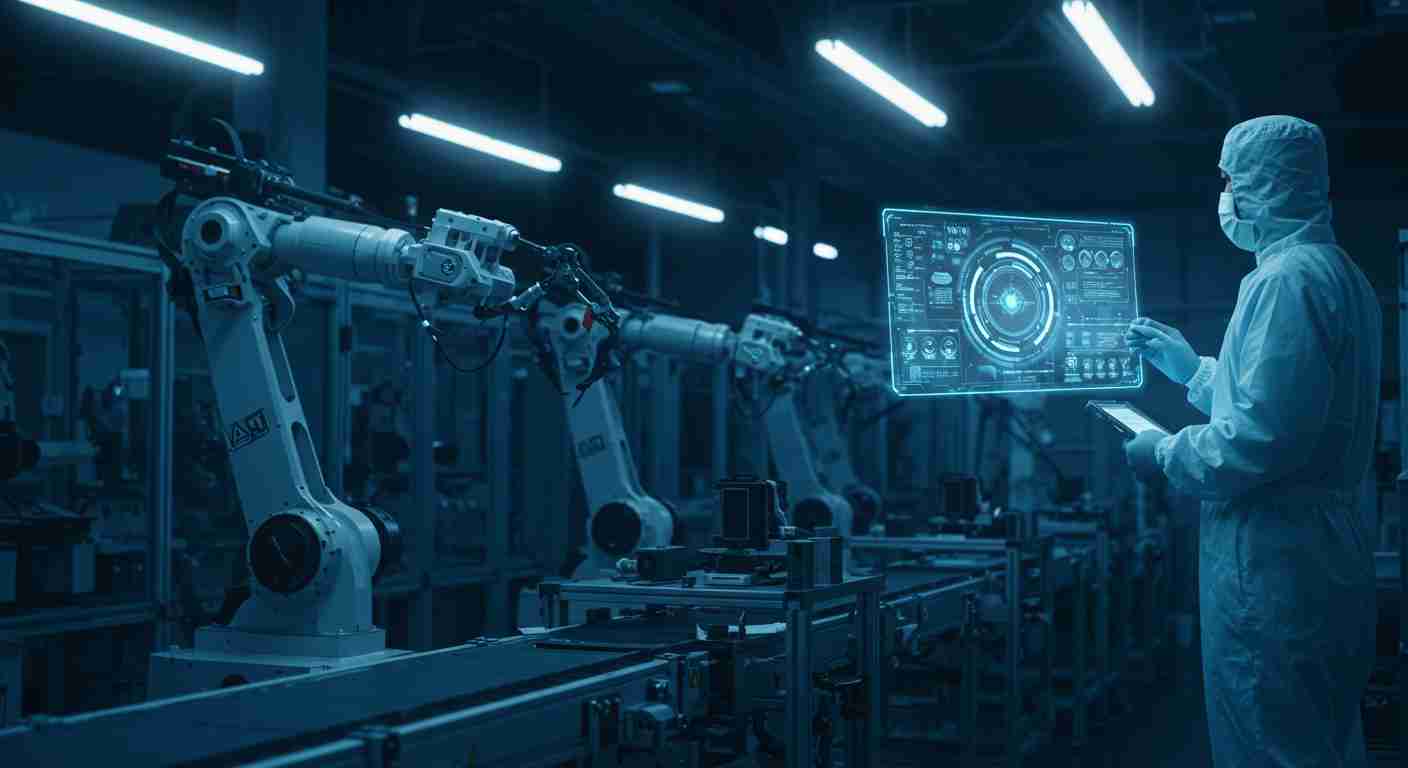
Technology, obviously, is another huge piece of the puzzle. Universities are increasingly leveraging AI tools to enhance student support. Virtual career platforms are becoming commonplace, offering students 24/7 access to job postings, career advice, and networking opportunities. Online skill-building modules are helping students develop in-demand skills, from coding to data analysis. And career analytics dashboards are giving career counselors real-time data on student progress, allowing them to provide more targeted interventions.
These career analytics dashboards are a game-changer, if you ask me. They allow career services to track student engagement, identify at-risk students, and measure the effectiveness of their programs. It’s all about data-driven decision-making, folks! We’re talking about using data to understand which students are struggling to connect with career services, and proactively reaching out to offer support.
For example, some universities are using AI-powered resume scanners to give students instant feedback on their resumes. Others are using chatbots to answer common career questions, freeing up career counselors to focus on more complex issues. And some are even using AI to match students with potential employers, based on their skills, interests, and career goals. It’s like a dating app for jobs!
The bottom line is this: career services are no longer just about helping students find a job after graduation. They’re about helping students develop the skills, knowledge, and networks they need to succeed throughout their entire career. And AI is playing a key role in this transformation, enabling universities to provide more personalized, data-driven, and effective career support. It’s an exciting time to be in higher education, and I can’t wait to see what the future holds! What improvements will schools roll out next, I wonder?
Cultivating Essential Skills: Preparing Students for AI-Augmented Roles
Alright, so now that we’ve established that career services are in the midst of a major glow-up, let’s get to the heart of the matter: what skills do students really need to thrive in this AI-saturated world? It’s not enough to just be good at coding or data analysis (though those skills definitely don’t hurt!). According to Ja’Net Glover over at UF’s Career Connections Center, problem-solving and critical-thinking skills are paramount. And I couldn’t agree more! In a world where AI can automate routine tasks, the ability to think critically, analyze complex problems, and come up with creative solutions is what will set you apart.
But it doesn’t stop there. The World Economic Forum’s Future of Jobs Report 2025 echoes this sentiment, highlighting the growing importance of “power skills” like creative thinking, resilience, flexibility, agility, curiosity, and lifelong learning. These aren’t just buzzwords, people! These are the skills that employers are actively seeking, the skills that will enable you to adapt to the ever-changing demands of the job market. Because let’s be real, in the age of AI, the only constant is change.
And it’s not just the WEF singing this tune. McKinsey’s research also underscores the need for a major skills upgrade, with a growing demand for technological, social, and emotional skills. We’re talking about things like advanced IT and data analytics, as well as critical thinking, creativity, and even teaching and training skills. The robots might be able to do the number crunching, but they can’t replace the human touch!
So, how are universities responding to this skills imperative? Well, many are integrating AI literacy into their curricula, as highlighted in that Times Higher Education article we discussed earlier. But it’s not just about teaching students about AI; it’s about teaching them how to use AI effectively and ethically. And some universities are going above and beyond, offering students hands-on experiences like building their own AI assistants! How cool is that? Talk about learning by doing!
Fun Siong Lim from Nanyang Technological University suggests opening up the builder interface of platforms so students can create their own GenAI assistants. That way, they can learn firsthand how generative AI works, test performance-enhancement approaches, and implement ethical principles. It’s all about empowering students to become creators, not just consumers, of AI technology.
But it’s not just about coding and algorithms. Universities are also recognizing the importance of integrating AI literacy across various disciplines. The goal is to equip students with the ability to understand and apply AI in their chosen field, whether it’s healthcare, finance, or even the arts. And it’s not just about learning how to use AI, but also about understanding its broader societal implications. We need to be thinking about things like bias, fairness, and accountability.
Of course, all of this requires a fundamental shift in how we think about education. It’s no longer enough to simply memorize facts and regurgitate information. Students need to develop the ability to think critically, solve complex problems, and adapt to new situations. And they need to be lifelong learners, constantly updating their skills and knowledge to stay ahead of the curve. It’s a tall order, but it’s essential for success in the AI-driven economy. The Unite.AI article that detailed dark factories really showed that even manufacturing jobs that were once secure are changing with the rise of automation.
And as industries continue to evolve, universities need to align their curricula to meet the evolving demands of the job market. This means working closely with industry partners to identify the skills that are most in-demand, and then designing programs that equip students with those skills. Because at the end of the day, the goal is to prepare students for meaningful careers that contribute to society.
Ethical Considerations and the Human Touch: Navigating AI’s Challenges
But hold on, because this AI revolution isn’t all sunshine and rainbows. There are some serious ethical considerations we need to address, and universities have a crucial role to play in navigating these tricky waters. I mean, we’re talking about things like transparency, bias, and data privacy – all super important stuff!
Drawing from those Dice Hiring and IMD articles, it’s clear that HR leaders are grappling with the ethical implications of AI in recruitment. And honestly, it’s a minefield! How do you ensure transparency when using AI-generated content? How do you balance automation with the human touch to maintain trust with candidates? How do you address potential biases in algorithms that could unfairly discriminate against certain groups? And what about data privacy? How do you protect candidate information in an AI-driven recruitment process?
These are tough questions, and there are no easy answers. But one thing is clear: transparency is key. Candidates need to know when AI is being used in the recruitment process, and they need to understand how it’s being used. This means being upfront about the role of AI in screening resumes, conducting interviews, and making hiring decisions.
Addressing biases is another crucial piece of the puzzle. AI algorithms are only as good as the data they’re trained on, and if that data reflects existing biases, the algorithms will perpetuate those biases. This can lead to unfair and discriminatory outcomes. To combat this, HR leaders need to carefully audit their AI systems for bias and take steps to mitigate any potential discriminatory effects.
And let’s not forget about data privacy! In an age where data breaches are becoming increasingly common, it’s more important than ever to protect candidate information. This means implementing robust security measures to safeguard data and being transparent with candidates about how their data is being used. I mean, according to research, a whopping 85% of Americans have concerns about AI in hiring decisions, so it’s safe to say people are paying attention.
But it’s not just about mitigating risks. It’s also about maximizing the benefits of AI while maintaining a human-centered approach. HR leaders need to find ways to balance automation with human interaction, ensuring that candidates feel valued and respected throughout the recruitment process. This means using AI to streamline administrative tasks and free up recruiters to focus on building relationships with candidates.
Ultimately, the key to ethical AI implementation is human oversight. We need to have ethical guidelines and critical thinking to ensure that AI is used responsibly and fairly. We need people with integrity overseeing AI integration, ensuring that it aligns with company values and candidate expectations. And we need to constantly monitor and evaluate AI systems to identify and address any potential problems.
The potential pitfalls of AI are real, but if we approach AI with careful consideration, we can guarantee that it is used correctly. If not, the risk of generic content and algorithmic discrimination may arise. It’s up to us to ensure that AI serves as a tool for empowerment, not a source of inequity.
University-Industry Partnerships: Fostering AI Education and Innovation
So, how do we ensure universities are truly equipping students for this rapidly evolving landscape? Well, one of the most promising strategies is forging strong university-industry partnerships. Think of it as a strategic alliance where academia and the real world collide, creating a synergistic force that propels AI education forward.
Pace University, UVA Darden, and Purdue University (2025 USNews Ranking: 46) are all prime examples of institutions that are embracing this collaborative approach. Pace, for instance, is actively engaging with industry leaders to integrate AI into its curricula and ensure fair access to AI education, as highlighted in that podcast recorded at Google’s headquarters. UVA Darden has partnered with OpenAI, giving its students access to ChatGPT EDU and positioning itself at the forefront of AI-powered business education. And Purdue is extending its international reach through partnerships with Malaysian universities, focusing on AI and data science.
These collaborations are game-changers, because they provide students with access to cutting-edge AI technology and real-world experiences that they simply wouldn’t get in a traditional classroom setting. Imagine learning about AI while simultaneously working on a project using NVIDIA’s latest GPUs or OpenAI’s most advanced language models. That’s the kind of hands-on learning that truly prepares students for the challenges and opportunities of the AI-driven economy.
These partnerships also facilitate the integration of AI coursework across various disciplines. It’s not just about computer science students learning about AI; it’s about business students, healthcare students, and even art students understanding how AI is transforming their respective fields. By collaborating with industry experts, universities can develop interdisciplinary programs that equip students with a holistic understanding of AI and its applications.
Furthermore, university-industry partnerships are fostering innovation in business education. UVA Darden’s partnership with OpenAI, for example, is allowing faculty to experiment with new AI-powered teaching methods and develop custom GPTs that provide students with personalized feedback on their work. This kind of innovation is essential for preparing future business leaders to navigate the complexities of the AI-driven marketplace.
And it’s not just about domestic partnerships. Universities are also extending their international presence through collaborations with global institutions, particularly in the areas of AI and data science. Purdue’s partnerships with Malaysian universities are a testament to this trend, aiming to create impactful and economically viable educational content and opportunities for students around the world.
Ultimately, university-industry partnerships are crucial because they bridge the gap between theory and practice. They ensure that students are not just learning about AI in the abstract, but are also gaining the practical skills and experiences they need to succeed in the real world. They foster innovation, promote interdisciplinary collaboration, and extend the reach of AI education to a global audience. And in an era where AI is transforming every aspect of our lives, that’s more important than ever.
Reference:
- As artificial intelligence reshapes work, Career Connections Center prepares students to lead
- Fleishman Career Center at Binghamton University Celebrates 10 Year Anniversary
- Four Models for Career Innovation in Higher Ed
- Future of Jobs Report 2025: The jobs of the future – and the skills you need to get them
- What does ‘age appropriate’ AI literacy look like in higher education?
- Dark Factories and the Future of Work: AI Reshaping Manufacturing
- AI for Recruitment Messaging and Enhanced Job Descriptions
- AI in HR: How is Artificial Intelligence transforming human resources?
- Rethinking Education for an AI Future: Pace University’s Strategic Approach
- UVA Darden Pioneers AI-Powered Business Education With OpenAI Partnership
- Partnerships with Malaysian universities focus on AI, data science