
Virginia Tech’s Summer Internship Program: A Gateway to Veterinary Careers
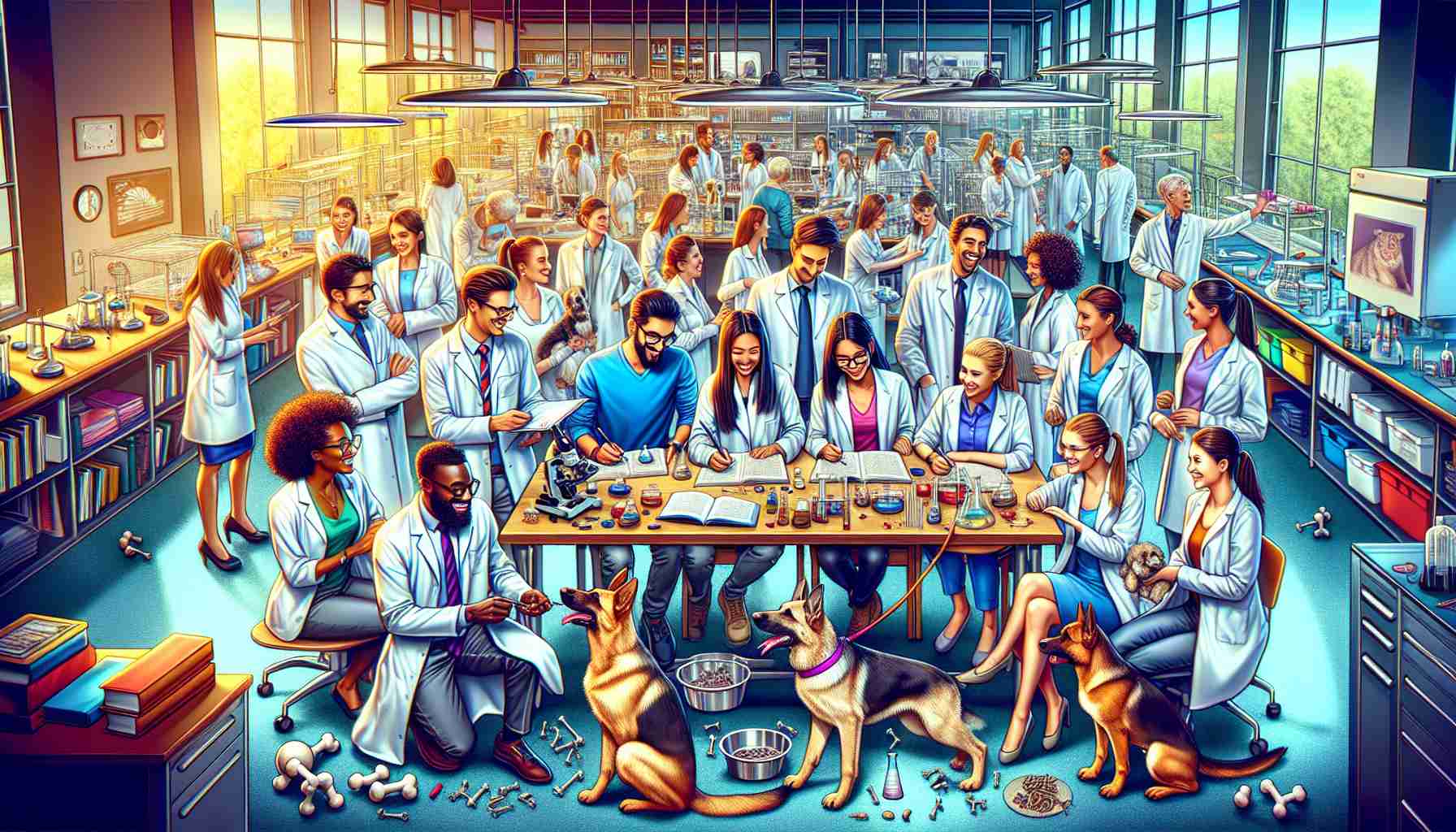
On August 13, 2024, the Virginia-Maryland College of Veterinary Medicine at Virginia Tech launched a ten-week summer internship program designed to provide undergraduate students aspiring to veterinary research with hands-on experience and research opportunities. This initiative is part of Virginia Tech’s multicultural academic opportunity program, which pairs participating students with faculty mentors to engage in various veterinary research projects. The program not only emphasizes laboratory research but also includes clinical day activities, allowing students to explore different specialties within veterinary medicine.
The significance of such programs cannot be overstated, especially in the context of U.S. colleges where experiential learning is increasingly recognized as a critical component of education. The Virginia Tech Veterinary College summer internship program exemplifies how institutions can effectively bridge the gap between academic learning and practical application, ultimately shaping the career aspirations of future veterinarians.
The Impact of Hands-On Research Experience on Veterinary Students’ Career Aspirations
The hands-on research experience provided by the Virginia Tech internship program is crucial for shaping the career aspirations of veterinary students. Research has shown that practical experience can significantly influence students’ perceptions of their future careers. For instance, Paige Meisner, an animal science student at North Carolina State University, participated in the ASSURE (Animal Science Summer Research Experience) program, which led her to reevaluate her career goals. Initially aspiring to become a veterinarian, Meisner discovered through her research that her interests lay in nutrition and agricultural medicine.
This transformation highlights a broader trend in veterinary education: the importance of exposing students to diverse career paths within the field. By engaging in research, students like Meisner gain insights into various aspects of veterinary science, which can lead to a more informed and confident approach to their future careers. The Virginia Tech program similarly aims to broaden students’ horizons, allowing them to explore different specialties and research areas, thereby enhancing their understanding of the veterinary profession.
The Role of Mentorship in Veterinary Education and Research
Mentorship plays a pivotal role in the educational journey of veterinary students. The Virginia Tech internship program pairs students with faculty mentors, fostering relationships that can significantly impact their professional development. This aligns with the findings of Dr. Addie Reinhard, founder of MentorVet, who emphasizes the importance of mentorship in combating burnout and enhancing job satisfaction among veterinary professionals.
Reinhard’s initiative, which emerged from her own experiences with burnout, underscores the need for supportive relationships in the veterinary field. By providing mentorship opportunities, programs like Virginia Tech’s not only help students navigate their academic paths but also prepare them for the challenges they may face in their careers. The mentorship aspect of the Virginia Tech program is particularly beneficial for students from smaller institutions, as it offers them access to experienced professionals who can guide them through the complexities of veterinary medicine.
Importance of Diversity in Veterinary Medicine and Education Programs
Diversity, equity, and inclusion (DEI) are increasingly recognized as essential components of veterinary education and practice. The American Veterinary Medical Association (AVMA) has launched initiatives aimed at promoting DEI within the veterinary profession, emphasizing its importance for team culture, client relationships, and patient care. The Virginia Tech internship program reflects this commitment to diversity by encouraging participation from students of various backgrounds, thereby enriching the learning environment.
The AVMA’s “Journey for Teams” program, which provides continuing education credits for DEI training, serves as a model for how veterinary institutions can integrate these principles into their curricula. By fostering an inclusive atmosphere, programs like Virginia Tech’s can help cultivate a new generation of veterinarians who are not only skilled in their craft but also sensitive to the diverse needs of the communities they serve.
The Comprehensive Nature of the Virginia Tech Internship Program
The Virginia Tech Veterinary College summer internship program is comprehensive in its approach, offering students a well-rounded experience that includes both research and clinical exposure. Participants engage in various projects, such as analyzing health and aging databases for large dogs, assisting in innovative treatments for canine cancer pain, and developing methods to identify melanoma cells using mass spectrometry. This diversity of experiences allows students to gain a holistic understanding of veterinary medicine.
Moreover, the program includes weekly sessions focused on graduate school application processes and career skills development. This aspect is particularly valuable, as many students may feel overwhelmed by the prospect of applying to veterinary school or pursuing advanced degrees. By providing guidance and support in these areas, the Virginia Tech program empowers students to take charge of their academic and professional futures.
Student Testimonials: A Reflection of Success
The impact of the Virginia Tech internship program is best illustrated through the testimonials of its participants. Students like Kate Shannon from Long Island expressed their surprise at the level of care and enthusiasm exhibited by those involved in veterinary medicine. Similarly, Bassem Hounedi, a Virginia Tech student, highlighted the program’s comprehensive nature, particularly the resume review sessions with faculty, which helped him refine his career goals.
These testimonials underscore the program’s success in not only meeting but exceeding students’ expectations. The transformation from initial nervousness to confident presentations of research findings is a testament to the program’s effectiveness in fostering a sense of belonging and professional identity among participants.
Future Prospects and the Importance of Continued Support
As the Virginia Tech Veterinary College summer internship program looks ahead to future iterations, the anticipation surrounding its impact on students’ career trajectories remains high. Program organizer Marilyn Ortega expressed her excitement about witnessing the growth and development of students as they navigate their paths in veterinary medicine.
The continued support for such programs is essential, as they play a critical role in shaping the future of veterinary education. By investing in hands-on research opportunities, mentorship, and diversity initiatives, institutions can cultivate a new generation of veterinarians who are not only skilled practitioners but also advocates for inclusivity and innovation within the field.
Conclusion
The Virginia Tech Veterinary College summer internship program serves as a model for how U.S. colleges can effectively prepare students for careers in veterinary medicine. By providing hands-on research experiences, fostering mentorship relationships, and promoting diversity, the program empowers students to explore various career paths and develop the skills necessary for success.
As demonstrated by the experiences of participants, such programs can significantly influence students’ career aspirations and enhance their confidence in pursuing advanced degrees. The commitment to diversity and inclusion further enriches the learning environment, ensuring that future veterinarians are equipped to meet the diverse needs of the communities they serve.
In summary, the Virginia Tech internship program exemplifies the transformative power of experiential learning in veterinary education, paving the way for a brighter future for aspiring veterinarians. As institutions continue to prioritize these initiatives, the veterinary profession will undoubtedly benefit from a more skilled, diverse, and passionate workforce.
News References:
- Veterinary College’s Summer Program Opens Doors for Aspiring Researchers
- Virginia Tech Celebrates Virginia Intern Day as a Top Employer for Interns
- Real-Life Research Unlocks New Possibilities for Animal Science Major
- Innovator of the Month: Dr. Addie Reinhard and MentorVet
- New Phase of DEI Learning: Earn CE While Advancing Diversity